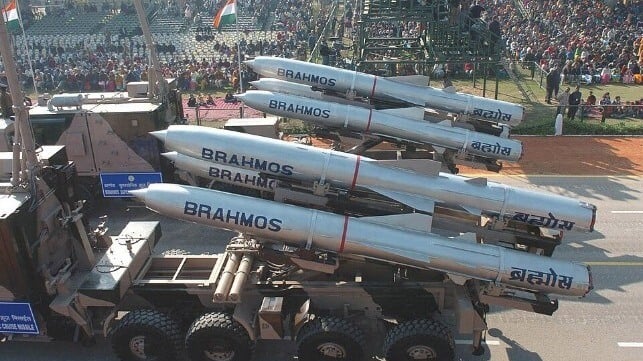
Vietnam Enhances Naval Capabilities with Advanced Anti-Ship Cruise Missiles
In a significant development for regional security dynamics, Vietnam has taken a major step in bolstering its maritime defense by acquiring advanced anti-ship cruise missiles. This move underscores the country’s strategic efforts to safeguard its territorial waters and counter growing regional tensions. The acquisition, which involves a high-profile deal with India, highlights the evolving nature of defense partnerships in Southeast Asia.
The Deal: A Strategic Shift in Defense Procurement
Vietnam’s decision to invest in anti-ship cruise missiles marks a pivotal shift in its defense procurement strategy. The deal, valued at $629 million, involves the procurement of the BrahMos missile system, a product of India’s Indo-Russian joint venture. This acquisition is not merely a transaction but a strategic alignment that reflects Vietnam’s growing concerns over maritime security, particularly in the South China Sea.

The BrahMos missile, known for its speed and precision, is a formidable asset. Capable of traveling at Mach 3, it can strike targets with remarkable accuracy, making it a critical component for any nation seeking to assert its maritime claims. For Vietnam, this technology offers a significant advantage in countering potential threats and enhancing its naval capabilities.
Why BrahMos? A Game-Changer in Naval Defense
The BrahMos missile system has garnered attention for its unique capabilities, including its ability to be launched from multiple platforms such as ships, submarines, and land-based systems. This versatility makes it an attractive option for countries looking to diversify their defense strategies. The missile’s supersonic speed and advanced guidance systems provide a tactical edge, allowing for rapid response to maritime threats.
Experts suggest that the BrahMos’ development is a result of India’s growing influence in the defense sector. With its roots in a collaboration between India’s Defence Research and Development Organisation (DRDO) and Russia’s NPO Mashinostroyeniya, the BrahMos project has become a symbol of India’s technological prowess. This partnership has not only enhanced India’s defense capabilities but also positioned it as a key player in the global arms market.
Regional Implications and Strategic Alliances
The acquisition of BrahMos missiles by Vietnam is part of a broader trend of defense cooperation among Southeast Asian nations. India’s defense outreach to ASEAN countries has been gaining momentum, with Vietnam being a key player in this initiative. This move aligns with India’s strategic interests in promoting regional stability and countering the growing influence of China in the Indo-Pacific region.

India’s defense partnerships with ASEAN nations are not limited to Vietnam. The country has been actively engaging with other regional players, including Indonesia, to strengthen its presence in the area. This strategy is underpinned by the desire to foster a multipolar order in the Indo-Pacific, where no single nation dominates. By enhancing its defense ties
