Eating disorders do not adhere to a specific age, gender, or demographic, often manifesting as a lifelong struggle that can begin in adolescence and persist well into adulthood. From teenagers battling binge eating to adults in their 50s grappling with restrictive patterns, these conditions are frequently described by patients as a profound psychological burden that consumes every aspect of daily existence.
- Eating disorders affect individuals across a wide age spectrum, including teens and adults in their 40s and 50s.
- Manifestations range from binge eating disorder to orthorexia, an obsession with “healthy” eating.
- Public health authorities are emphasizing the efficacy of family and multi-family therapies in treatment.
- Community-led educational initiatives are being used to increase understanding and reduce the stigma associated with these conditions.
The Psychological Toll of Eating Disorders
For many suffering from eating disorders, the experience is characterized by an all-consuming mental preoccupation with food and body image. Some patients have described the struggle as
“hell on Earth,”
highlighting the severe emotional distress and isolation that accompany these behavioral patterns.
This obsession often extends beyond simple calorie counting. In some cases, the disorder manifests as an extreme fixation on the perceived purity of food. One individual shared that food
“took up all the space”
in her life, illustrating how the drive for “healthy eating” can transition from a wellness goal into a restrictive and debilitating obsession.
Diverse Manifestations and Demographics
While public perception often associates eating disorders with a narrow demographic, clinical reality shows a broader impact. Reported cases include individuals aged 18, 41, and 59, demonstrating that the onset or persistence of these disorders can span several decades.
The types of disorders also vary significantly. While some struggle with restrictive patterns, others face binge eating disorder, a condition characterized by recurrent episodes of eating large quantities of food, often accompanied by a feeling of loss of control. These diverse presentations underscore the need for personalized diagnostic and treatment approaches.
Therapeutic Approaches and Family Involvement
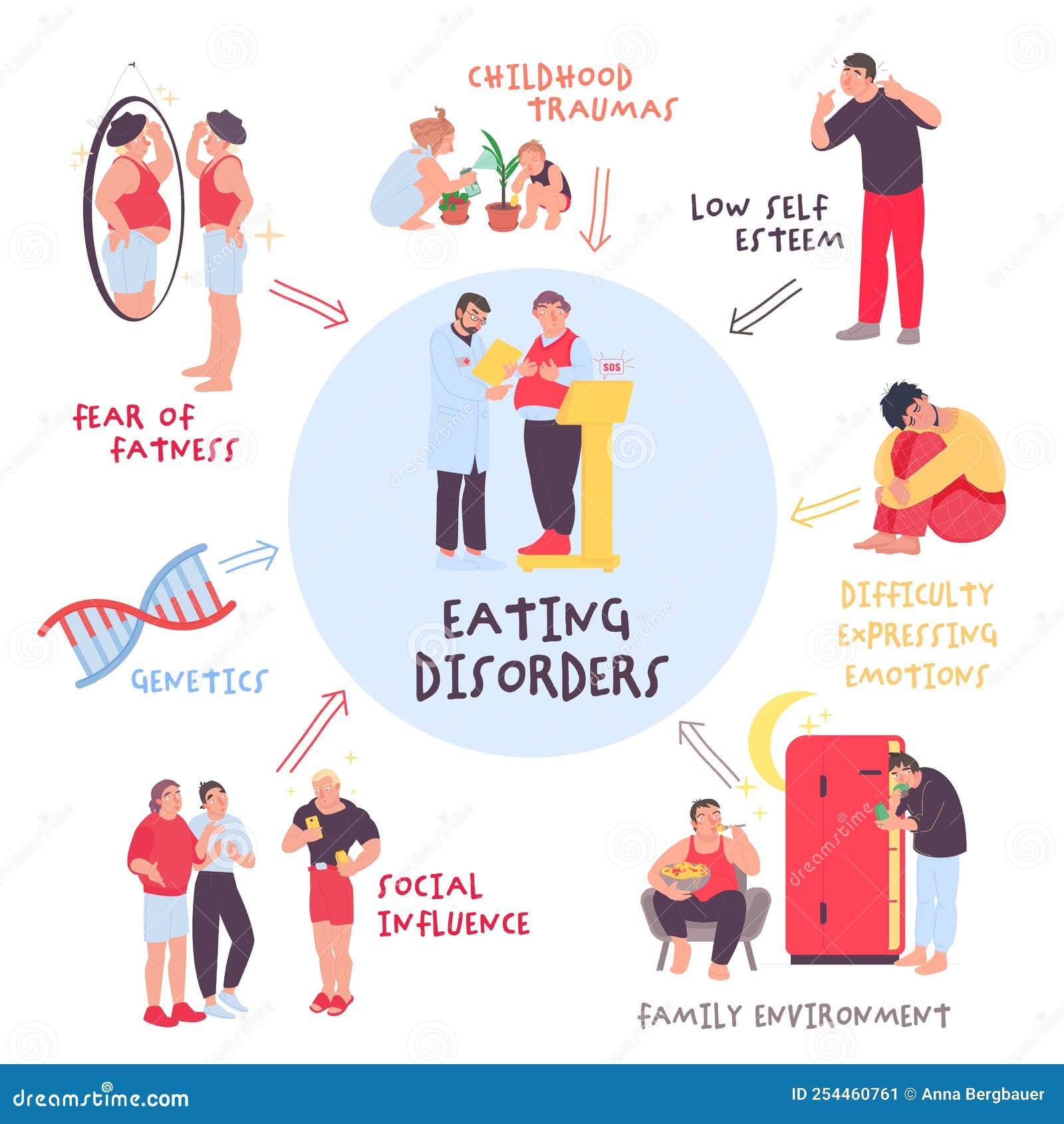
Treatment strategies are evolving to look beyond the individual patient, focusing instead on the social and familial environment. According to public health authorities, family and multi-family therapies are critical components in the recovery process.
These therapeutic models involve the patient’s support system in the clinical process, recognizing that the family environment can both influence the disorder and serve as a primary catalyst for recovery. Multi-family therapy, in particular, allows different families facing similar challenges to share experiences and strategies under professional guidance.
Increasing Public Awareness
To combat the secrecy and shame often associated with eating disorders, health initiatives are focusing on community education. Public conferences are being utilized to help the general population understand the mechanisms of these disorders, identify early warning signs, and learn how to support those in distress.
By framing eating disorders as complex health conditions rather than choices or phases, health officials aim to facilitate earlier intervention and more effective long-term management.
