Diabetes: Hypertension Drugs May Speed Up Kidney Disease – Medical News Today
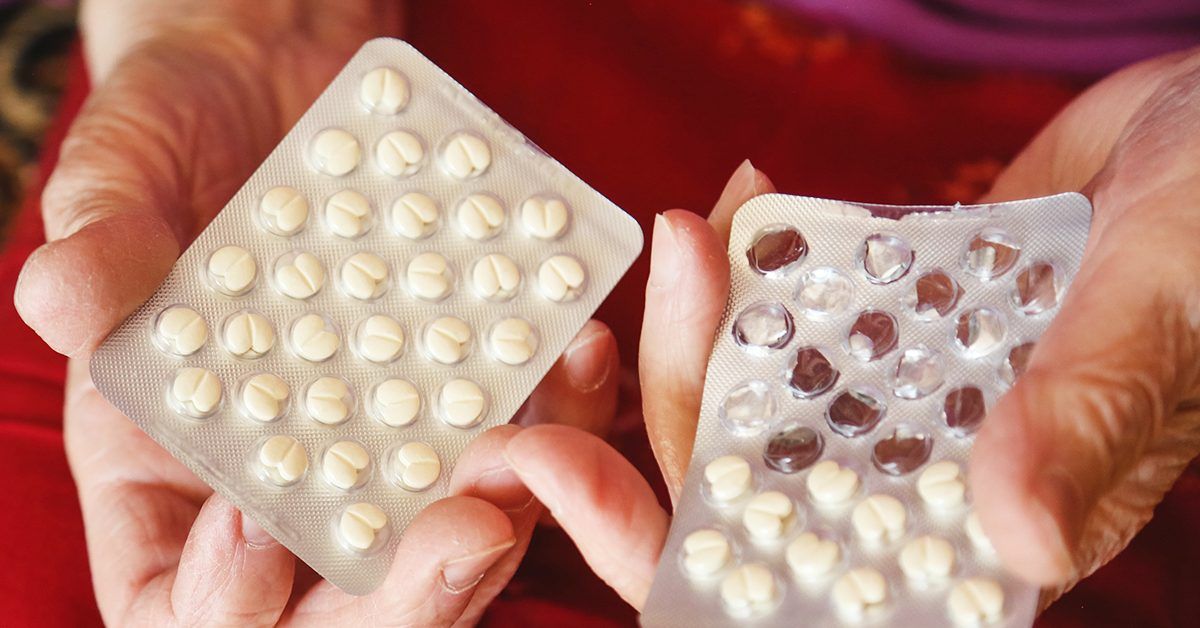
Recent reports indicate that certain hypertension medications may be linked to accelerated kidney disease in patients with Type 2 Diabetes (T2D). This emerging evidence, highlighted by Medical News Today and EMJ in connection with ERA 2026, suggests that some blood pressure treatments could lead to worse kidney outcomes for this specific patient population.
The Link Between Blood Pressure Medication and T2D Kidney Outcomes
The intersection of hypertension and Type 2 Diabetes (T2D) creates a complex clinical challenge. While controlling blood pressure is a cornerstone of preventing organ damage, new data suggests a paradox. According to reports from EMJ and Medical News Today, certain hypertension drugs may actually speed up the progression of kidney disease in those living with T2D.
This development is particularly significant because hypertension is typically managed to protect the kidneys. In patients with diabetes, the kidneys are already under stress due to high blood glucose levels, which can damage the small blood vessels in the filtering units (glomeruli). Adding a medication that inadvertently worsens these outcomes could change how clinicians approach blood pressure targets and drug selection.
| Traditional Clinical Goal | New Concerns (ERA 2026 Context) |
|---|---|
| Lower blood pressure to reduce renal strain. | Some BP drugs may accelerate kidney decline in T2D. |
| Standardized use of primary hypertension meds. | Need for more personalized drug selection based on T2D status. |
| Focus on systemic pressure reduction. | Focus on the specific interaction between the drug and diabetic renal pathology. |
What the ERA 2026 Presentation Signals for Renal Care
The mention of ERA 2026—the European Renal Association congress—indicates that this is a developing area of renal research. When findings are presented at such high-level international forums, it usually signals a shift in the scientific consensus or the introduction of a new risk factor that requires global attention.
The reports from EMJ suggest that the link between specific blood pressure medications and worse kidney outcomes in T2D patients is a focal point of current discussion. For the medical community, this means that the “one size fits all” approach to hypertension in diabetic patients may be insufficient. The data presented at ERA 2026 likely emphasizes the need for rigorous monitoring of kidney function—specifically glomerular filtration rate (GFR) and albuminuria—when initiating or changing hypertension therapies in T2D patients.
Key points regarding the ERA 2026 context include:
- Emerging Evidence: The transition from general observation to presented data at a major congress.
- Targeted Risk: The specific vulnerability of Type 2 Diabetes patients compared to the general hypertensive population.
- Clinical Re-evaluation: A potential move toward auditing which specific drug classes are associated with these adverse kidney outcomes.
The Complex Relationship Between Diabetes, Hypertension, and the Kidneys
To understand why the news that Diabetes: Hypertension drugs may speed up kidney disease – Medical News Today is so impactful, one must understand the “triad” of T2D, hypertension, and chronic kidney disease (CKD).

Diabetes causes high levels of sugar in the blood, which damages the kidneys’ filtering system over time. Hypertension adds further pressure to these already damaged filters. Normally, the goal of hypertension medication is to lower this pressure, thereby slowing the progression of CKD. However, the kidney is also the primary organ responsible for processing and excreting many of these medications.
If a specific drug alters the hemodynamics of the kidney in a way that is incompatible with the existing damage caused by T2D, the result can be an acceleration of renal failure rather than a slowing of it. This creates a delicate balancing act for physicians: lowering systemic blood pressure without compromising the remaining kidney function.
“The challenge in T2D management is that the very tools used to protect the heart and brain—blood pressure medications—may, in some instances, interact poorly with the diabetic kidney.”
Why Blood Pressure Management is Critical (and Risky) in Type 2 Diabetes
Managing blood pressure in T2D is not optional; it is essential for preventing stroke and heart failure. However, the risk profiles change when kidney health is involved. The reports from EMJ and Medical News Today highlight a critical tension in modern medicine: the trade-off between systemic benefit and organ-specific risk.
For many years, certain classes of blood pressure medications were considered the “gold standard” for diabetic patients because they provided renal protection. If new evidence suggests that some of these, or other alternatives, are actually speeding up kidney disease, it forces a re-examination of current guidelines.
Potential risks associated with improper hypertension management in T2D include:
- Over-suppression: Dropping blood pressure too low or too quickly, which can reduce perfusion to the kidneys.
- Drug-Induced Toxicity: Specific chemical interactions that may exacerbate diabetic nephropathy.
- Masking Symptoms: Using medications that control the numbers (blood pressure) while the underlying organ damage continues or accelerates.
For those seeking more information on managing these conditions, a related explainer on Type 2 Diabetes management may provide further context on glucose control.
Potential Shifts in Treatment Paradigms
The revelation that certain hypertension drugs may be linked to worse kidney outcomes in T2D patients will likely lead to several shifts in how healthcare providers treat this population.
Increased Personalization of Therapy
Rather than following a generic ladder of medication, doctors may move toward “precision hypertension management.” This involves looking at the patient’s specific stage of kidney disease and their T2D markers before selecting a drug, rather than treating hypertension as a standalone issue.
More Frequent Renal Monitoring
If certain drugs carry a risk of accelerating kidney decline, the frequency of blood tests to check creatinine and GFR levels will likely increase. This allows clinicians to spot a downward trend in kidney function early and switch medications before permanent damage occurs.
Re-evaluating “Protective” Drugs
The medical community may need to distinguish between drugs that are “blood pressure lowering” and drugs that are “kidney protective.” Not all medications that lower blood pressure protect the kidneys; some may be neutral, and as the ERA 2026 discussions suggest, some may even be detrimental in the context of T2D.
For a deeper dive into the mechanics of renal failure, see our related explainer on Chronic Kidney Disease (CKD) basics.
Questions for Healthcare Providers
Given the reports that Diabetes: Hypertension drugs may speed up kidney disease – Medical News Today, patients with Type 2 Diabetes who are taking blood pressure medication should have proactive conversations with their doctors. It is important to remember that patients should never stop taking prescribed medication without medical supervision, as uncontrolled hypertension is itself a major risk to the kidneys and heart.
Suggested questions for a clinical visit include:
- “Based on my current kidney function (GFR), is my current blood pressure medication the safest option for my kidneys?”
- “Are there specific blood pressure drugs that are known to be more risky for people with Type 2 Diabetes?”
- “How often are we monitoring my kidney function to ensure my medication isn’t causing adverse effects?”
- “Is my blood pressure target set too aggressively for my current renal health?”
Frequently Asked Questions
Which hypertension drugs speed up kidney disease in diabetes?
The specific drug names were not detailed in the primary reports from EMJ and Medical News Today, but the findings presented in the context of ERA 2026 suggest that certain classes of blood pressure medications may be linked to worse outcomes. Patients should consult their physician to determine if their specific prescription is among those being questioned.
Does this mean I should stop taking my blood pressure medication?
No. Hypertension is a leading cause of kidney failure and stroke. Stopping medication without a doctor’s guidance can be extremely dangerous. The goal is to ensure you are on the correct medication for your specific health profile, not to avoid treatment entirely.

Why does Type 2 Diabetes make blood pressure drugs riskier for the kidneys?
T2D causes structural changes in the kidneys’ filtering units. Some hypertension drugs change the pressure within these filters. In a healthy kidney, this change might be beneficial or neutral, but in a diabetic kidney, it may inadvertently accelerate the decline of organ function.
What is ERA 2026 and why does it matter?
ERA 2026 refers to the European Renal Association congress, a major international gathering of kidney specialists. When new evidence regarding drug risks is presented here, it often leads to updated clinical guidelines and changes in how doctors treat kidney disease worldwide.
How can I tell if my kidney function is declining?
Chronic kidney disease is often a “silent” condition with few symptoms in the early stages. The only reliable way to monitor kidney health is through medical tests, including blood tests for creatinine/GFR and urine tests for albumin (protein).
