
First tankers cross strait under Iran deal; Israeli strikes raise doubt in Lebanon – Reuters
Tankers have begun crossing the Strait of Hormuz following a new diplomatic agreement between the United States and Iran, according to Reuters. While President Trump has claimed the waterway will remain “permanently toll-free,” ongoing Israeli military strikes in Lebanon have introduced significant volatility, raising doubts about the deal’s durability and regional stability.
What is the status of shipping in the Strait of Hormuz?
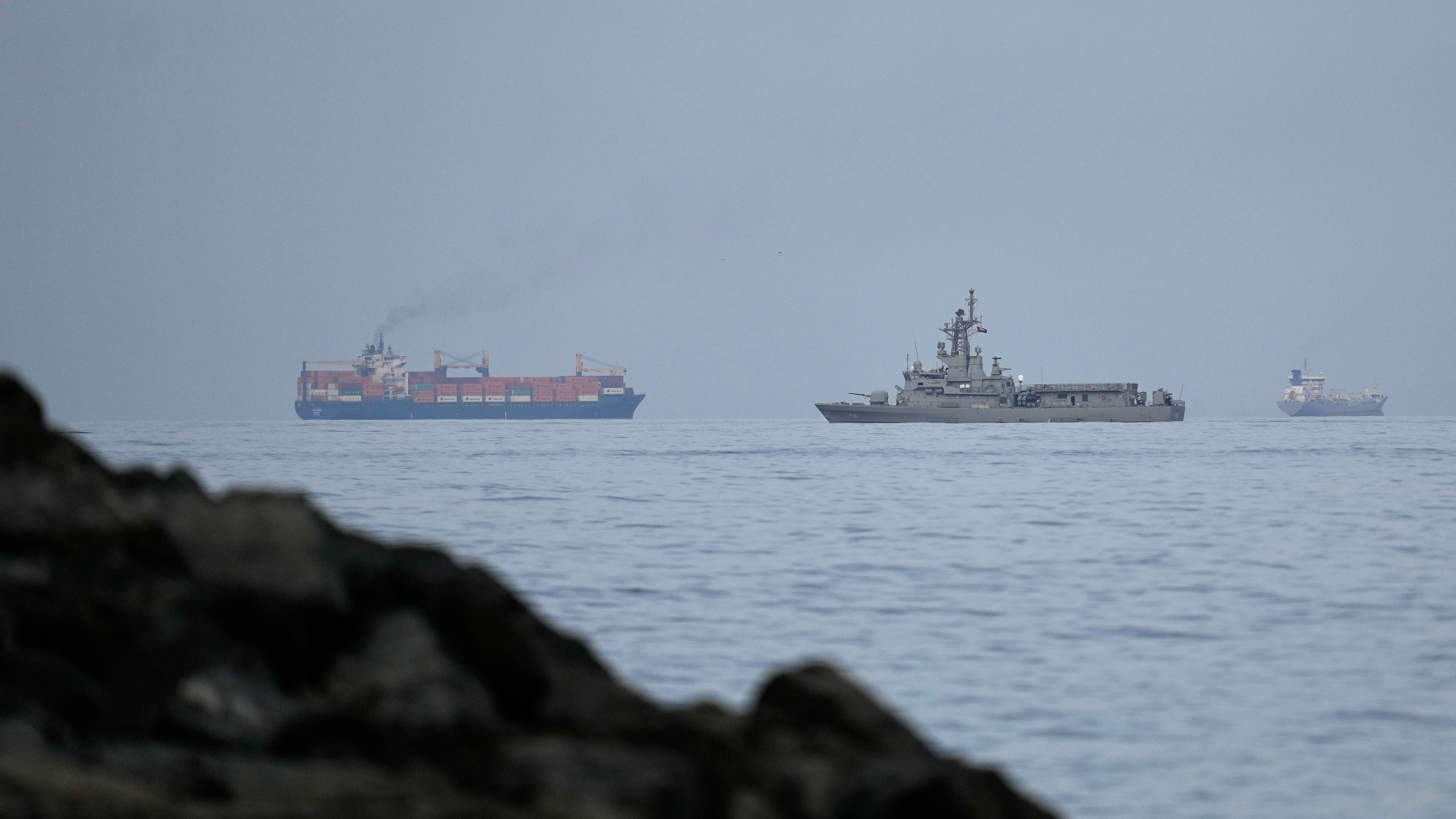
Oil tankers are moving through the Strait of Hormuz in increased numbers following the signing of an agreement between the U.S. and Iran, according to reports from CBS News. This movement marks the first tangible result of the deal, as shipping companies begin to test the waters of a negotiated peace in one of the world’s most sensitive maritime choke points.
The agreement aims to ensure the uninterrupted flow of energy exports. According to The New York Times, President Trump has explicitly claimed that the Strait will be “permanently toll-free” under the terms of the pact. This claim addresses a long-standing fear among global markets that Iran could use its geographic position to levy fees or block passage to exert political pressure on the West.
However, the transition is not without friction. CBS News reports that while ships are moving, “big challenges remain” regarding the verification of the deal’s terms and the long-term security guarantees for commercial vessels. Shipping firms often rely on insurance premiums that fluctuate based on perceived risk; a “toll-free” promise from a head of state does not immediately lower those costs if military tensions remain high.
Why do Israeli strikes in Lebanon create doubt about the Iran deal?
The fragile stability in the Persian Gulf is being countered by escalating violence elsewhere. According to Reuters, Israeli strikes in Lebanon have raised significant doubts about whether the U.S.-Iran agreement can hold. The connection lies in Iran’s strategic network of allies, specifically Hezbollah in Lebanon.
Geopolitical analysts suggest that if Israeli operations in Lebanon result in high casualties or strategic losses for Hezbollah, Tehran may feel pressured to respond. Because the Strait of Hormuz is Iran’s most effective lever for global economic disruption, any escalation in the Levant could lead to a reversal of the “toll-free” status or a return to the seizure of tankers.

This creates a paradox for the current agreement: the U.S. and Iran have reached a bilateral understanding on maritime transit, but neither party has full control over the regional triggers—such as Israeli security operations—that could void the arrangement. The Reuters report indicates that the optimism surrounding the first tankers crossing the strait is being tempered by the reality of a multi-front conflict.
| Agreement Aspect | Official Claim (U.S. Administration) | Reported Concern (Analysts/Media) |
|---|---|---|
| Transit Costs | “Permanently toll-free” (The New York Times) | Questionable reliability of long-term promises (Foreign Policy) |
| Shipping Volume | Increased movement of tankers (CBS News) | Remaining “big challenges” in stability (CBS News) |
| Regional Security | Deal stabilizes the Gulf | Israeli strikes in Lebanon create instability (Reuters) |
How does the Strait of Hormuz impact global energy markets?
To understand why the “toll-free” claim reported by The New York Times is significant, one must look at the geography of the Strait of Hormuz. This narrow waterway connects the Persian Gulf with the Gulf of Oman and the Arabian Sea. It is the only sea passage from the Persian Gulf to the open ocean.
A significant portion of the world’s liquefied natural gas (LNG) and crude oil passes through this corridor daily. Any disruption—whether through physical blockades, mine-laying, or the imposition of transit tolls—immediately spikes global oil prices. When the U.S. and Iran negotiate the status of this strait, they are not just discussing regional politics; they are discussing the price of gasoline and heating oil for consumers globally.
Business Insider notes that two key details in the agreement specifically target the functionality of the Strait. By focusing on the “toll-free” nature of the passage, the agreement attempts to remove the “risk premium” that shipping companies add to their costs during times of tension. If the market believes the strait is permanently open and free, the cost of transporting oil drops, which can lead to lower energy prices worldwide.
The role of maritime insurance and risk
Even with a signed deal, the “word” of a political leader is often secondary to the assessment of insurance underwriters. Foreign Policy has raised the question of whether ships in the Gulf can truly “take Trump at his word.” In maritime law and insurance, a verbal or political guarantee of “toll-free” passage is less valuable than a multilateral security guarantee or a proven track record of non-interference.
If Israeli strikes in Lebanon continue to escalate, insurance companies may maintain high “war risk” premiums for tankers in the Gulf, regardless of the U.S.-Iran deal. This means that while no official “toll” is being charged by Iran, the effective cost of shipping remains high due to the risk of collateral damage or retaliatory strikes.
What are the key details of the U.S.-Iran agreement?
While the full text of the agreement is often subject to diplomatic nuance, several core components have emerged through reporting from The New York Times, Business Insider, and CBS News.
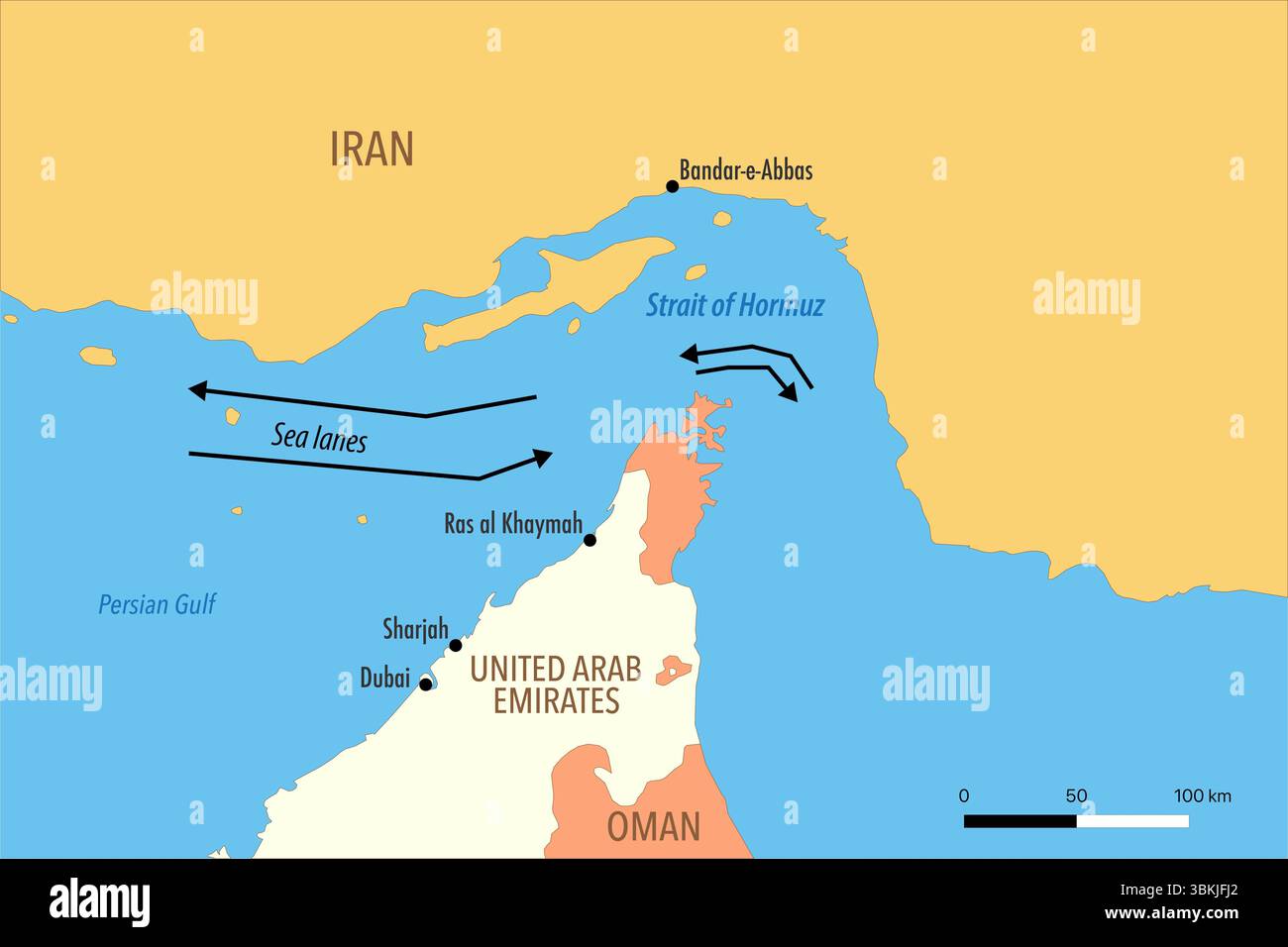
- Maritime Access: The primary goal is the guaranteed, unhindered passage of commercial vessels through the Strait of Hormuz.
- Toll Elimination: A specific commitment that no fees or “tolls” will be imposed on ships crossing the strait, a point emphasized by the Trump administration.
- Increased Traffic: The immediate goal was to get more ships moving to signal to the markets that the tension had eased, a goal that CBS News confirms is currently being met.
- De-escalation Framework: The deal serves as a broader attempt to reduce direct military confrontation between U.S. naval assets and the Iranian Revolutionary Guard Corps (IRGC) in the Gulf.
Despite these points, the agreement lacks a comprehensive mechanism to handle third-party conflicts. As Reuters highlights, the deal is a bilateral agreement between Washington and Tehran, but it does not include Israel. This omission is the primary “leak” in the agreement’s security, as Israeli actions in Lebanon can trigger Iranian reactions in the Gulf.
Comparing the perspectives: Optimism vs. Skepticism
There is a clear divide in how different outlets are framing the success of this deal. The U.S. administration, as reported by The New York Times, presents the agreement as a definitive victory that secures the “toll-free” nature of the strait permanently. This framing suggests a stable, long-term solution to a decades-old conflict.
In contrast, Foreign Policy and Reuters offer a more skeptical view. Foreign Policy focuses on the reliability of the promises made, questioning if the agreement is based on sustainable diplomacy or merely a temporary truce. Reuters anchors its skepticism in the physical reality of the Middle East, noting that the “doubt” raised by Israeli strikes is a tangible threat that outweighs the ink on a piece of paper.
CBS News occupies a middle ground, reporting the factual increase in ship movement while acknowledging that “big challenges remain.” This suggests that while the tactical goal (getting ships moving) has been achieved, the strategic goal (permanent regional peace) is far from realized.
Why the “Toll-Free” claim is controversial
The claim that the strait will be “permanently toll-free” is logically complex. International law already dictates that straits used for international navigation should be open to transit passage. By framing this as a “win” in a deal, the administration implies that Iran was either planning to charge tolls or had the power to do so in a way that bypassed international norms. This framing turns a standard of international law into a diplomatic concession.
For those following the news, this indicates that the deal may be as much about political optics as it is about maritime security. If the “toll-free” status was already the legal expectation, the real value of the deal lies in Iran’s agreement not to interfere with that status through military force.
The Lebanon Factor: A Strategic Pivot
The mention of Lebanon in the Reuters report is not incidental; it is central to the fragility of the Gulf deal. Iran utilizes a “forward defense” strategy, meaning it prefers to engage its adversaries far from its own borders. Lebanon, via Hezbollah, is a primary theater for this strategy.
When Israel conducts strikes in Lebanon, it is often targeting Iranian weaponry, advisors, or infrastructure. From Tehran’s perspective, the Strait of Hormuz is the “return address.” If Iran cannot stop the strikes in Lebanon through diplomatic means or via Hezbollah, it may decide that the only way to force a ceasefire is to disrupt the global oil supply.
This creates a precarious situation for the tankers currently crossing the strait. They are operating under a deal that protects them from U.S.-Iran friction, but leaves them exposed to the fallout of Israel-Hezbollah friction. This distinction is why the Reuters report balances the news of moving tankers with the “doubt” created by the strikes in Lebanon.
For more on the geopolitical dynamics of the region, see this related explainer on Middle East maritime security.
Common misconceptions about the Iran-U.S. deal
There are several oversimplifications regarding this news that require clarification based on the provided reports:
- Misconception: The deal ends all conflict between the U.S. and Iran.
Correction: The deal specifically targets the Strait of Hormuz and maritime transit. It does not resolve broader issues regarding nuclear programs, sanctions, or regional proxy wars. - Misconception: “Toll-free” means the U.S. is paying Iran to keep the strait open.
Correction: According to The New York Times, the claim is that the strait will remain free of tolls, meaning no one is paying a fee to pass. - Misconception: The increase in tankers means the region is now safe.
Correction: CBS News notes that “big challenges remain,” and Reuters points to the Israeli strikes in Lebanon as a source of ongoing doubt. Increased traffic is a sign of attempted normalization, not necessarily total safety.
Frequently Asked Questions
What is the main goal of the U.S.-Iran deal regarding the Strait of Hormuz?
The primary objective is to ensure that oil tankers and commercial ships can pass through the Strait of Hormuz without interference or the imposition of tolls. According to The New York Times, President Trump has claimed the waterway will be “permanently toll-free” to stabilize global energy markets.
Why are Israeli strikes in Lebanon mentioned in a story about an Iran deal?
According to Reuters, these strikes create doubt because Iran often responds to attacks on its allies (like Hezbollah in Lebanon) by disrupting shipping in the Strait of Hormuz. This means a conflict in Lebanon could lead Iran to break the deal it signed with the U.S.
Is the Strait of Hormuz actually “toll-free” by law?
International maritime law generally protects the right of transit passage through international straits. However, as noted in reports from The New York Times and Business Insider, the deal explicitly codifies this “toll-free” status to provide extra assurance to the shipping industry and global markets.
Are ships safely moving through the strait now?
CBS News reports that more ships are moving through the strait following the deal’s signing. However, they also note that significant challenges remain, and the overall security environment is still influenced by regional tensions and military actions.
How does this deal affect global oil prices?
By reducing the risk of a blockade or the imposition of transit fees, the deal aims to lower the “risk premium” on oil. If tankers can move freely and predictably, it reduces the likelihood of sudden price spikes caused by geopolitical instability in the Gulf.
The current situation remains a tug-of-war between diplomatic breakthroughs in the Persian Gulf and military escalation in the Levant. While the sight of tankers crossing the strait provides a temporary sense of relief for global markets, the reports from Reuters and Foreign Policy suggest that the durability of the agreement depends entirely on whether the broader regional conflict can be contained.
