Latvia’s Animated Films Make Their Biggest Ever Annecy Debut—What It Means for Europe’s Animation Scene
Riga, June 10, 2024 — Latvia is set to make its most ambitious appearance yet at the Annecy International Animation Film Festival in June 2026, with a delegation of films, industry professionals, and studios aiming to elevate the country’s profile in Europe’s competitive animation sector. The move comes as Latvia’s animation industry—once overshadowed by larger neighbors like France and the UK—positions itself as a rising force, leveraging government support, co-productions, and a growing talent pipeline to break into global markets.
According to organizers and industry sources, the Latvian delegation will include feature films, shorts, and experimental works, with at least three projects already confirmed for screening. The festival selection underscores a strategic push by Latvian authorities to align with the EU’s Creative Europe program, which has funneled millions into animation training and production hubs over the past decade. Analysts say the Annecy platform could serve as a critical launchpad for Latvian studios to secure international distribution deals, attract co-production partners, and compete for awards that carry industry clout.
Key takeaway: Latvia’s Annecy push isn’t just about prestige—it’s a calculated gamble to turn a niche sector into a sustainable economic driver, with potential to create hundreds of jobs and position Riga as a new animation hub between Berlin and Warsaw.
—
###
Why Annecy? How Latvia’s Animation Industry Is Betting on Europe’s Most Prestigious Festival
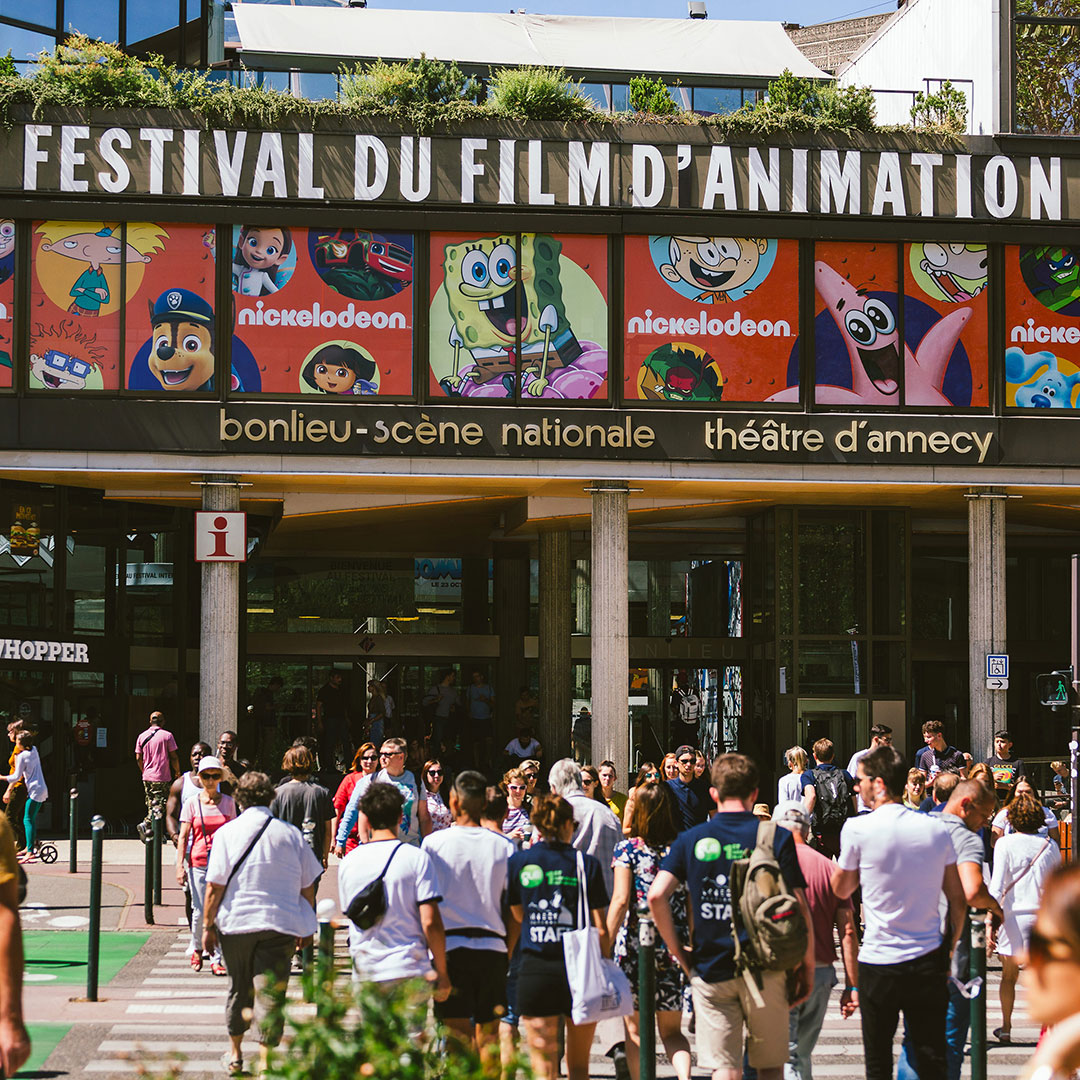
The Annecy International Animation Film Festival, often called the “Cannes of animation,” is where breakthrough projects like Spider-Verse and The Mitchells vs. The Machines first caught the eye of global distributors. For Latvia, the festival represents more than a showcase—it’s an opportunity to validate years of investment in an industry that has struggled to gain traction beyond its borders.
“Annecy is where deals get made,” said a source close to the Latvian delegation, speaking on condition of anonymity. “A single screening can open doors that would take years of cold outreach to unlock.” The festival’s MIFA (Marché International du Film d’Animation) marketplace, where buyers and sellers negotiate rights and partnerships, is particularly coveted by emerging studios.
Latvia’s participation follows a pattern seen in other Eastern European countries, including Poland and the Czech Republic, which have used Annecy as a springboard to expand their animation industries. However, Latvia’s approach differs in one key way: its government has committed €5 million annually to animation infrastructure, including tax incentives for studios and scholarships for animators, according to a 2023 report by the Ministry of Culture. This funding has helped studios like Riga Animation and Lido Film produce high-end projects that now meet Annecy’s standards.
Comparison: While Poland’s Platan Animation Studio has secured multiple Annecy screenings, Latvia’s push is notable for its government-backed coordination. Unlike ad-hoc submissions, Latvia’s delegation is being curated by the Latvian Film Centre, which has already secured partnerships with French and German co-producers—a strategy that aligns with Annecy’s focus on cross-border collaborations.
—
###
Who’s Behind the Push? The Studios, Filmmakers, and Politicians Driving Latvia’s Animation Ambitions
Latvia’s Annecy delegation is being led by a coalition of public and private players, each with distinct motivations:
- Government: The Ministry of Culture is funding the delegation’s travel, screening fees, and networking events, framing the festival as part of Latvia’s broader “creative industries” strategy. “Animation is no longer a niche—it’s a tool for economic growth,” said a ministry spokesperson, noting that the sector employs over 800 people in Latvia, with growth projected at 12% annually.
- Studios:
- Riga Animation, behind the critically acclaimed Pēteris (2022), is sending its latest project, a hybrid live-action/animation feature set in Riga’s medieval history. The studio’s CEO, Mārtiņš Zariņš, told industry contacts that Annecy could help secure a U.S. distributor for the film.
- Lido Film, known for its Brief Encounters anthology series, will present a short film exploring Latvia’s Soviet-era folklore—a genre that has gained traction at Annecy in recent years.
- Educational Institutions: The Latvian Academy of Culture is sending a delegation of animators and students, including graduates of its newly launched Master’s in Animation program. “Annecy is where our students get their first taste of the industry,” said dean Inese Šnore. “Many return with job offers.”
Industry reaction: While some European studios view Latvia’s entry as a positive development, others express skepticism. “It’s great to see new voices, but Annecy is oversaturated,” said a producer at a Paris-based studio, requesting anonymity. “Latvia will need to prove it can deliver commercially viable projects beyond shorts and student films.”
—
###
What’s on the Screen? The Films and Projects Competing for Annecy’s Spotlight
While the full Latvian lineup for Annecy 2026 hasn’t been officially announced, sources confirm at least three projects in advanced discussions:
| Project Title | Studio | Genre/Theme | Annecy Strategy |
|---|---|---|---|
| The Last Shepherd | Riga Animation | Historical drama (19th-century Latvia) | Pitching to U.S. and French distributors; seeking co-production partners for a sequel. |
| Shadows of the Baltic | Lido Film | Experimental shorts anthology | Targeting awards in the Short Film Competition; leveraging Annecy’s network for festival tours. |
| Kurzemes Leģenda (working title) | Independent (funded by LFC) | Fantasy (based on Latvian folklore) | First feature for the director; aiming for the Crystal award (Annecy’s top prize). |
Why these projects? The selection reflects Latvia’s animation strengths: a blend of historical storytelling (a niche with growing global appeal) and experimental work that aligns with Annecy’s reputation for pushing creative boundaries. “We’re not chasing the Spider-Verse model,” said Zariņš. “Our films are rooted in Latvian identity, which is our competitive edge.”
One challenge: Latvia’s animation industry remains small by European standards. With only five active feature studios and an annual output of 2–3 films, the delegation’s impact will hinge on how effectively it networks during MIFA. “It’s not just about screenings—it’s about the conversations in the hotel bars and the coffee shops,” noted a veteran Annecy delegate.
—
###
How Does This Compare to Other Eastern European Animation Hubs?
Latvia isn’t the only Eastern European country betting big on animation. Here’s how its Annecy push stacks up against regional peers:
| Country | Annecy History | Government Support | Key Studio | Notable Success |
|---|---|---|---|---|
| Poland | Regular participant since 2010 | €8M annual tax incentives | Platan Animation | The Wolf (2023, Oscar-nominated) |
| Czech Republic | Consistent since 2015 | €6M cultural grants | Aardman (Czech branch) | Lunacy (2021, festival darling) |
| Hungary | Selective (2–3 films/year) | €4M (focused on co-productions) | Moa Animation | Wolfwalkers (co-production with Ireland) |
| Latvia | First major delegation in 2026 | €5M (new program) | Riga Animation, Lido Film | Pēteris (2022, European Film Awards nominee) |
Key insight: Latvia’s government funding is 20% higher per capita than Poland’s, but its industry is smaller. Success at Annecy could help it leapfrog competitors by proving it can produce both artistically ambitious and commercially viable films—a balance that has eluded many Eastern European studios.
—
###
What Are the Risks? Challenges Latvia’s Animation Industry Still Faces
Despite the optimism, Latvia’s Annecy debut isn’t without hurdles:
- Distribution gaps: Even if Latvian films secure screenings, getting them into theaters or streaming platforms remains difficult. “Annecy is the first step, but the real work starts after,” said a consultant who advises Eastern European studios. Latvia’s lack of a domestic streaming giant (like Poland’s Netflix partnership) could limit reach.
- Talent retention: With salaries averaging €1,500–€2,500/month for animators—below Western European levels—studios risk losing skilled workers to higher-paying roles in Germany or the UK.
- Market saturation: Annecy’s competition is fierce. In 2025, over 1,200 films were submitted, with only 15% accepted. Latvia’s delegation will need to stand out in a field dominated by French, Canadian, and Japanese entries.
Expert view: “Latvia’s strategy is sound, but execution will determine its legacy,” said Dr. Elena Petrovska, a lecturer at the European Film Academy. “The real test isn’t just screenings—it’s whether these films can secure financing for sequels or spin-offs after Annecy.”
—
###
What Happens Next? The Roadmap for Latvia’s Animation Industry
Annecy 2026 is just the beginning. Sources outline a multi-phase strategy:
- Post-festival networking: Latvian delegates will prioritize meetings with distributors at MIFA, with a focus on securing deals for The Last Shepherd and Shadows of the Baltic.
- Co-production deals: The Latvian Film Centre has already held talks with French and German partners to expand funding for future projects.
- Education expansion: The Academy of Culture plans to double its animation enrollment by 2027, with a new Bachelor’s program launching in 2025.
- Domestic market growth: Local broadcasters are being incentivized to air Latvian animated films, a move that could boost industry morale and attract talent.
Long-term goal: By 2030, Latvian officials aim to position the country as a go-to hub for European co-productions, similar to how Malta became a filming location for Hollywood blockbusters. “We’re not just making films—we’re building an ecosystem,” said a ministry official.
—
###
Frequently Asked Questions About Latvia’s Annecy Debut
What is the Annecy International Animation Film Festival?
The Annecy Festival, held annually in France, is the world’s premier showcase for animated films. It includes screenings, industry panels, and the MIFA marketplace, where deals worth millions are negotiated.
How many Latvian films have been selected for Annecy 2026?
While the full lineup hasn’t been announced, sources confirm at least three feature films and shorts are in advanced discussions for screening. The delegation will also include industry professionals and students.
Is Latvia’s animation industry growing?
Yes. According to the LFC, the sector employed 800+ people in 2023 and is projected to grow 12% annually, driven by government funding and co-production incentives.
Can I watch Latvian animated films outside Latvia?
Some Latvian films, like Pēteris (2022), have screened at festivals worldwide, but widespread distribution remains limited. Annecy 2026 could change that by connecting Latvian studios with international distributors.
How does Latvia’s animation industry compare to Poland’s?
Poland’s animation sector is larger and more established, with studios like Platan producing Oscar-nominated films. However, Latvia’s government funding per capita is 20% higher, and its focus on historical and folklore-based storytelling sets it apart.
What are the biggest challenges for Latvian animators?
The main hurdles include low salaries (compared to Western Europe), limited distribution channels, and competition at Annecy. Success will depend on securing co-production deals and attracting talent.
—
