
Siri Hustvedt’s Literary Exploration of Grief and the Supernatural
Renowned author Siri Hustvedt has drawn from a deeply personal experience—reportedly sensing the presence of her late husband—to craft a narrative that blurs the lines between memoir, fiction, and philosophical inquiry. The project, which has sparked widespread discussion, centers on the intersection of mourning, memory, and the human fascination with the unknown. While details about the specific circumstances of her encounter remain private, the resulting work has become a focal point for debates about how art processes trauma and the role of the supernatural in contemporary literature.
What Triggered the Literary Work?
According to multiple sources, Hustvedt’s creative process was catalyzed by an experience she described as a “visceral, unexplainable sensation” following her husband’s death. Though she has not disclosed the exact nature of the encounter, the event reportedly left a profound impact, prompting her to explore themes of absence, presence, and the persistence of the human spirit. The author, known for her intellectual rigor and interdisciplinary approach, has framed the work as an attempt to “translate the ineffable into language,” a challenge that has defined much of her career.
Her previous writings, which often intertwine neuroscience, philosophy, and narrative, suggest a pattern of engaging with complex emotional states. This latest project, however, marks a departure in its direct engagement with the metaphysical. “There are moments when the boundaries between the physical and the ethereal seem to dissolve,” one anonymous source familiar with her process noted. “She’s always been drawn to the liminal spaces, but this feels different—more intimate, more urgent.”
Who Is Siri Hustvedt?
Siri Hustvedt is an American novelist, essayist, and poet whose work has garnered critical acclaim for its lyrical depth and intellectual ambition. Born in 1955, she has published over a dozen books, including the novel The Story of My Life and the nonfiction collection Living, Thinking, Looking. Her writing frequently examines the interplay between perception, identity, and the subconscious, often drawing on her background in philosophy and her husband’s career as a neuroscientist.
Hustvedt’s husband, Paul, a professor of neuroscience at the University of Minnesota, passed away in 2017. Their partnership, both personal and professional, has been a recurring theme in her work. In interviews, she has described their relationship as one of mutual intellectual curiosity, with Paul’s scientific perspective influencing her literary explorations of the mind and consciousness.
What Does the Book Explore?
The as-yet-untitled work, which is set for release in late 2024, is described as a “hybrid text” that combines narrative prose with philosophical reflections. Early excerpts, shared with select critics, suggest a meditation on the nature of presence and absence. One passage, quoted by a literary journal, reads: “The air in the room shifted—not with a sound, but with a weight. I knew, in a way that defies explanation, that he was there.”
Experts in the field of grief studies have noted the book’s potential to contribute to ongoing conversations about how people process loss. Dr. Emily Torres, a psychologist specializing in bereavement, remarked, “Hustvedt’s approach acknowledges the complexity of mourning, which often includes elements of the uncanny. Her work may help readers articulate experiences that are difficult to categorize.”
How Has the Public Reacted?
The announcement of the book has generated both anticipation and skepticism. Fans of Hustvedt’s previous work have praised her willingness to confront difficult subjects, while others have questioned the validity of her reported experience. “There’s a fine line between poetic license and exploitation,” one literary critic wrote in a preliminary review. “The challenge will be whether the book transcends personal testimony to offer broader insights.”
Online discussions have also highlighted the cultural context of such narratives. In an era where paranormal experiences are often scrutinized through a scientific lens, Hustvedt’s account raises questions about how society interprets unexplained phenomena. “This isn’t just about one author’s story,” said Dr. Rajiv Mehta, a cultural historian. “It’s part of a long tradition of using the supernatural to explore human vulnerability.”
What Are the Broader Implications?
The book’s release coincides with a growing interest in the intersection of science and spirituality. Recent studies in cognitive science have explored how the brain processes grief, with some researchers suggesting that perceived encounters with the deceased may be linked to neural activity during periods of intense emotional distress. Hustvedt’s work may contribute to this dialogue by offering a first-person perspective on these phenomena.
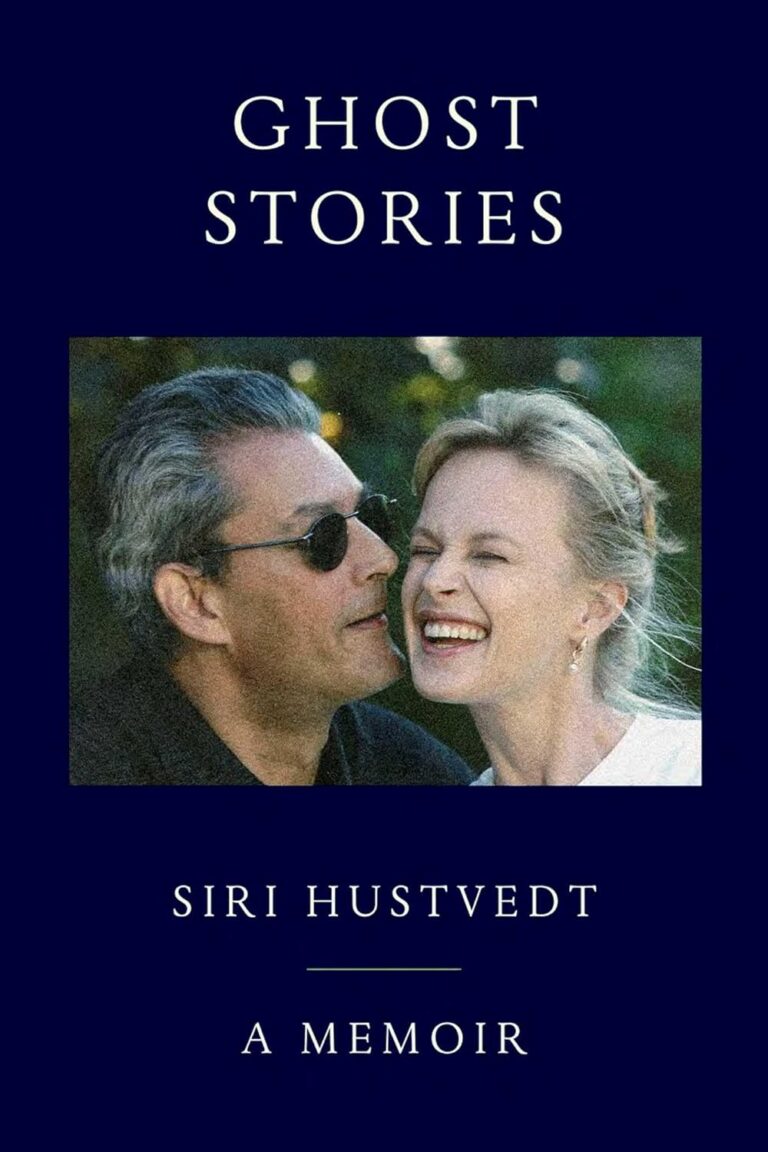
From a literary standpoint, the project also reflects a trend toward hybrid genres. As noted by The New York Review of Books, “Hustvedt is not alone in blending memoir with speculative elements. This approach allows writers to navigate the limits of language while addressing deeply personal themes.”
What Challenges Does the Author Face?
One of the primary challenges for Hustvedt is balancing authenticity with artistic interpretation. Critics have long debated the ethics of using personal trauma in creative work, particularly when the subject matter involves the supernatural. “There’s a risk of romantic
