Photos Expose Camilla’s Very Un-Royal Habit – News.com.au
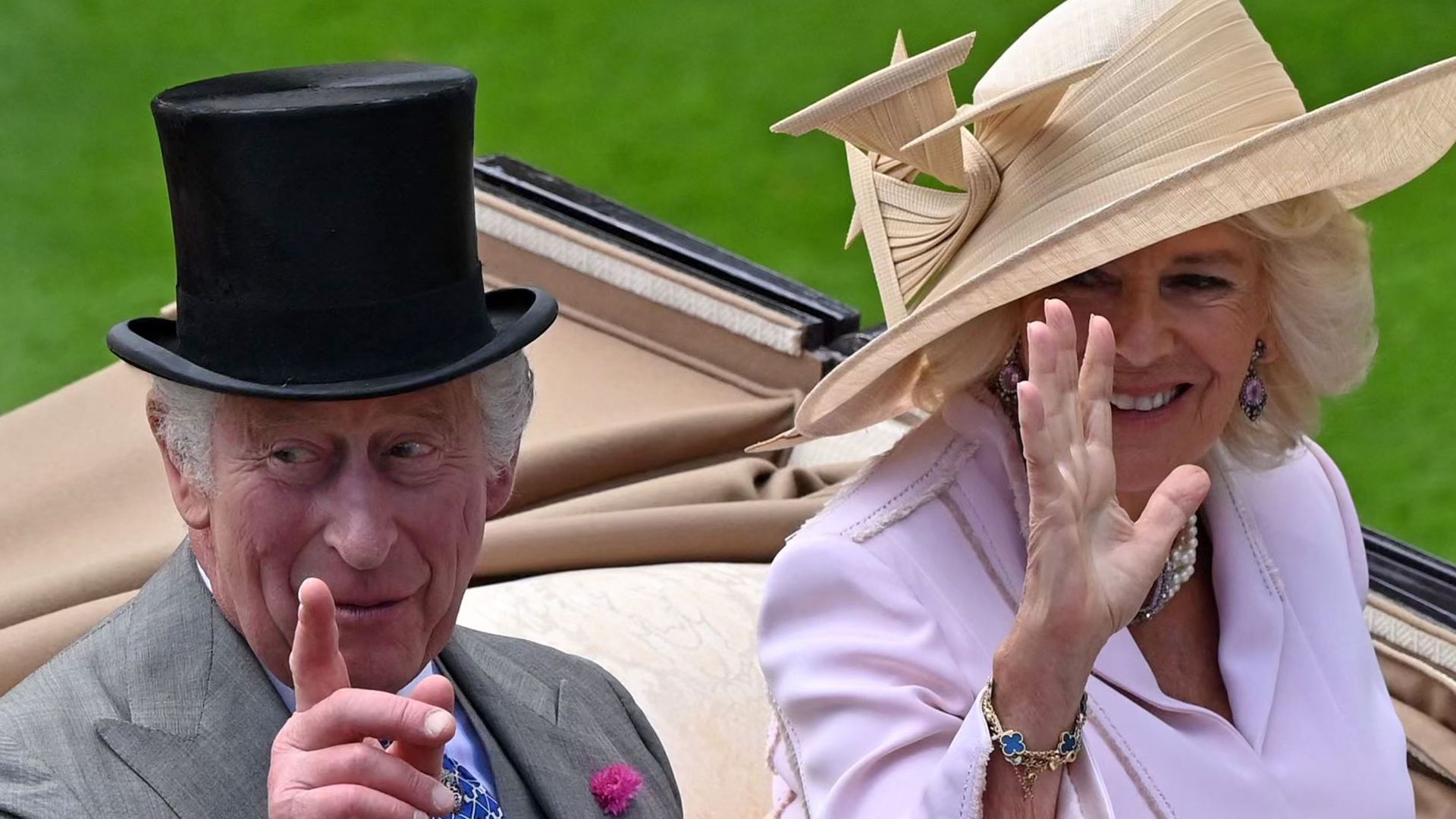
Queen Camilla faced public scrutiny after photographs from Royal Ascot appeared to show her making facial expressions described as “un-royal” by media outlets including News.com.au and Sky News Australia. The images, capturing the Queen in candid moments, sparked a debate over royal etiquette and the expectations of public composure for the British monarchy.
What is the “un-royal habit” captured in the photos?
The controversy centers on a series of candid photographs taken during the Royal Ascot event, where Queen Camilla was observed making facial expressions that some observers characterized as scowls or signs of irritation. According to reports from News.com.au, these images “expose” a habit of the Queen displaying candid, less-than-pleasant reactions in public settings, which critics argue deviates from the traditional poise expected of a consort.
Sky News Australia further characterized the behavior as “not very queen-like,” focusing on the contrast between the formal requirements of the event and the Queen’s perceived lack of a “royal mask.” The “habit” in question refers to micro-expressions—brief, involuntary facial movements—that suggest boredom, annoyance, or disapproval, which are then magnified by high-resolution photography.
Key details of the incident include:
- Location: The Royal Enclosure at Royal Ascot, a high-profile equestrian event known for strict dress codes and rigid social protocols.
- The Action: Candid shots showing the Queen with downturned lips or narrowed eyes during interactions or while observing the races.
- The Reaction: A divide between social media users who viewed the expressions as “authentic” and royal commentators who viewed them as a breach of decorum.
Why does facial expression matter in royal etiquette?
For the British Royal Family, public appearance is not merely about fashion but about the projection of stability, neutrality, and grace. According to royal protocol experts, the “royal mask” is a cultivated skill designed to ensure that the monarch and their spouse remain an enigma, never revealing personal frustration or dislike in a public forum.
The expectation is that a member of the royal family should maintain a pleasant or neutral countenance regardless of their internal emotional state. When photos expose Camilla’s very un-royal habit, as highlighted by News.com.au, it challenges the perceived perfection of the monarchy. The tension arises because the Royal Ascot event is one of the most photographed dates on the royal calendar, making any slip in composure a global news event.
The following table outlines the contrast between traditional royal expectations and the behaviors captured in the Ascot photographs:
| Royal Protocol Expectation | Observed “Un-Royal” Habit | Public Interpretation |
|---|---|---|
| Constant composure and “neutral” positivity. | Candid scowls or expressions of irritation. | Perceived as rudeness or lack of professionalism. |
| Emotional detachment in public. | Visible reactions to surroundings or people. | Seen by some as “humanizing” and “authentic.” |
| Adherence to a rigid “public persona.” | Spontaneous facial micro-expressions. | Viewed as a failure to maintain the “royal mask.” |
How do these photos fit into the broader narrative of Queen Camilla?
The focus on Queen Camilla’s facial expressions does not exist in a vacuum. Since her marriage to King Charles III, Camilla has faced a more critical lens than many other royal figures. Her transition from a controversial figure in the 1990s to the Queen Consort has been a calculated process of public relations and steady duty.

According to analysis of royal media coverage, the “un-royal habit” narrative is often used by tabloids to reinforce older stereotypes about the Queen’s personality. While King Charles is often critiqued for his perceived eccentricity, Camilla is frequently scrutinized for her perceived “sharpness” or lack of traditional softness. When News.com.au and Sky News Australia highlight these photos, they are tapping into a long-standing public fascination with whether Camilla “fits” the mold of a traditional queen.
Comparatively, other royals have faced similar scrutiny. Princess Diana was often praised for her emotive and candid nature, which was seen as a breath of fresh air against the stoicism of the House of Windsor. In contrast, when the same emotive quality is seen in Queen Camilla, it is often framed as a “bad habit” or a lack of decorum rather than authenticity.
Related explainer on the evolution of royal public relations.
What are the implications of “candid” photography for the monarchy?
The rise of high-definition, rapid-fire digital photography has fundamentally changed how the royal family is perceived. In the era of film, only a few select frames were published, usually those that adhered to the desired narrative. Today, a photographer at Royal Ascot can take hundreds of photos per minute, capturing the exact millisecond a person blinks, sneezes, or scowls.
This technological shift has created a new set of challenges for the monarchy:
- The Death of the “Perfect Image”: It is nearly impossible to maintain a perfect facade for eight hours of public engagement.
- Micro-Expression Analysis: The public and the press now engage in “armchair psychology,” analyzing tiny facial movements to infer the state of royal relationships.
- The Authenticity Paradox: While the press critiques “un-royal” habits, a growing segment of the public finds these moments more relatable than the curated images provided by the palace.
According to observers of modern monarchy, the “exposure” of these habits may actually benefit the institution in the long run by making the royals seem less like statues and more like people. However, for those who view the monarchy as a symbol of idealized tradition, any deviation—such as the habit mentioned by News.com.au—is seen as a degradation of the office.
How does the framing differ between news outlets?
The way this story was handled reveals a significant difference in media framing. News.com.au used the word “expose,” suggesting a revelation of a hidden truth or a secret flaw. This framing positions the “habit” as something that was being concealed but has now been brought to light, creating a sense of investigative discovery.
Sky News Australia, on the other hand, used the phrase “not very queen-like.” This is a normative judgment, comparing Camilla’s behavior to an idealized standard of “queenliness.” While News.com.au focused on the existence of the habit, Sky News focused on the appropriateness of the habit.
This distinction is critical because it shows how the same set of photographs can be used to build two different narratives: one of “exposure” and one of “judgment.” Both outlets, however, rely on the visual evidence of the photographs to drive engagement, highlighting the power of the image over the actual context of the moment.
What is the historical precedent for royal “gaffes”?
History is replete with royal figures whose candid moments were framed as breaches of protocol. The British monarchy has a long tradition of “stiff upper lip” stoicism, but this has been broken many times before.
:max_bytes(150000):strip_icc():focal(749x0:751x2)/king-charles-iii-queen-camilla-ascot-062025-1-c75fd1f1cc0d4aa4aff8cbf1b18c231e.jpg "What is the historical precedent for royal \"gaffes\"?")
For example, the late Queen Elizabeth II was rarely seen to lose her composure, but her rare moments of visible frustration—such as her reactions to certain political upheavals or personal losses—were documented and analyzed with similar intensity. The difference is that the late Queen had decades to solidify her image as the embodiment of the state, whereas Queen Camilla is still in the process of defining her legacy as Queen Consort.
The “un-royal habit” at Royal Ascot is a modern iteration of this cycle. Every royal must eventually navigate the gap between their private personality and their public role. The photos in question simply document the moments where that gap closes.
Common misconceptions about royal behavior
There are several misconceptions regarding how royals “should” behave that fuel stories like the one reported by News.com.au.
Misconception 1: Royals are trained to never show emotion.
While they are trained in etiquette, royals are human. Training focuses on managing emotion, not eliminating it. A scowl at a horse race is often a natural reaction to heat, noise, or a momentary distraction, not a calculated breach of protocol.
Misconception 2: Every candid photo represents a permanent trait.
The “habit” described by the press is often based on a handful of photos taken over a few hours. To label a facial expression as a “habit” requires long-term observation, yet media outlets often extrapolate a personality trait from a single afternoon at Ascot.
Misconception 3: The public is universally offended by “un-royal” behavior.
Data from social media suggests a significant split. While traditionalists may be bothered, younger generations often find these “un-royal” moments to be the only parts of the monarchy they find believable.
Related explainer on the impact of social media on the British Monarchy.
Frequently Asked Questions
What is the “un-royal habit” Queen Camilla is accused of?
According to reports from News.com.au and Sky News Australia, the “habit” refers to candid facial expressions, such as scowling or looking irritated, captured in photographs during Royal Ascot.
Why was this behavior considered “not queen-like”?
Royal protocol traditionally expects the Queen and other senior royals to maintain a neutral or pleasant expression in public to project stability and grace, regardless of their personal feelings.
Where did these photographs originate?
The photographs were taken by press photographers during the Royal Ascot event, a prestigious annual horse racing meeting attended by the British royal family.
How has the public reacted to the photos?
Reactions are divided. Some critics view the expressions as a sign of rudeness or a lack of royal decorum, while others see them as authentic human reactions that make the Queen more relatable.
Is this the first time Queen Camilla has faced criticism for her public demeanor?
No. Throughout her time as Duchess of Cornwall and now as Queen Consort, her public image and demeanor have been frequently analyzed and critiqued by the media.
The ongoing scrutiny of Queen Camilla’s public expressions highlights the enduring tension between the private individual and the public symbol. As the monarchy continues to adapt to the era of instant, high-resolution transparency, the definition of “royal behavior” is likely to shift from an impossible standard of perfection to a more nuanced version of authenticity. Whether these candid moments are viewed as “un-royal” or simply human depends entirely on the observer’s expectations of the crown.
