
Škoda Auto unveiled its largest SUV to date, the Peaq, during a world premiere event in France, with pricing details revealed by local media outlets. The model, described as the brand’s “flagship” electric vehicle, features a range of touch-based controls and a claimed driving range of 520 kilometers (323 miles) on a single charge, according to reports from Slovak and Czech sources.
The Peaq, which made its debut in a live stream from France, marks Škoda’s most significant foray into the electric SUV segment. The vehicle’s design emphasizes a modern, tech-forward interior, with physical buttons largely replaced by digital interfaces. A Czech media outlet reported that the Peaq’s battery capacity and drivetrain specifications align with broader Volkswagen Group strategies for electrification, though specific technical details remain under wraps.
Market Positioning and Competitive Context
The Peaq is positioned to compete with other premium electric SUVs in Europe, including models from BMW, Audi, and Tesla. Škoda’s previous electric offerings, such as the Enyaq, have focused on affordability and practicality, but the Peaq represents a shift toward higher-end features and extended range. A Slovak publication noted that the Peaq’s pricing, while not yet officially confirmed, is expected to place it in a mid-to-high range segment, targeting customers seeking advanced technology and longer driving distances.
Industry analysts suggest the Peaq’s launch reflects Škoda’s broader push to expand its electric vehicle portfolio. The model’s emphasis on touch controls and digital integration aligns with trends in automotive design, where traditional physical interfaces are being phased out in favor of centralized, software-driven systems.
Technical and Design Highlights
Škoda’s engineers emphasized the Peaq’s focus on user experience, with a dashboard largely devoid of physical switches. Instead, the vehicle relies on a large touchscreen interface for climate control, infotainment, and vehicle settings. A Czech media outlet reported that the Peaq’s battery pack is designed to support fast-charging capabilities, though exact charging speeds remain unspecified.
The SUV’s exterior dimensions exceed those of Škoda’s previous largest model, the Kodiaq, with the Peaq’s length and width positioning it as a direct competitor to the Tesla Model X and Audi Q8 e-tron. The vehicle’s aerodynamic design, including active air vents and low-profile wheels, is intended to optimize energy efficiency and range.
The Peaq’s launch follows a series of electric vehicle announcements from the Volkswagen Group, which includes brands like Audi, Porsche, and Seat. Škoda’s focus on the Peaq underscores the group’s strategy to diversify its electric offerings across different market segments.
What’s Next for Škoda’s Electric Lineup
Škoda has not yet announced a production timeline for the Peaq, but reports indicate that the vehicle will begin arriving at dealerships in late 2024. The company’s press materials, cited by a Slovak publication, suggest that the Peaq will be available in multiple configurations, including different battery sizes and drivetrain options.
As the European automotive market continues its shift toward electrification, the Peaq’s success will depend on its ability to balance advanced technology with affordability. The model’s performance in key markets like Germany, France, and the Czech Republic could influence future Škoda electric vehicle strategies.
The company’s next major electric project, according to internal documents, is a compact SUV aimed at urban drivers, which is expected to launch in 2025. This follow-up could further expand Škoda’s presence in the growing electric vehicle sector.
The Peaq’s unveiling has already generated significant interest among automotive journalists and potential buyers. A Swiss media outlet, which attended the vehicle’s launch event, noted that the Peaq’s combination of size, range, and modern design positions it as a strong contender in the premium electric SUV market.
The vehicle’s final specifications, including exact pricing and availability, are expected to be confirmed in the coming weeks. Škoda has not yet provided details on how the Peaq will be marketed in different regions, but the model’s global debut suggests a broad rollout strategy.
The Peaq’s development also highlights the increasing role of digital interfaces in modern vehicle design. As automakers compete to offer the most intuitive and feature-rich user experiences, the Peaq’s touch-based controls may set a new benchmark for Škoda’s future models.
The SUV’s launch is part of a broader trend in the automotive industry, where electric vehicles are no longer seen as niche products but as mainstream alternatives to traditional combustion engines. Škoda’s investment in the Peaq reflects this shift, with the company aiming to solidify its position as a leader in the European electric vehicle market.
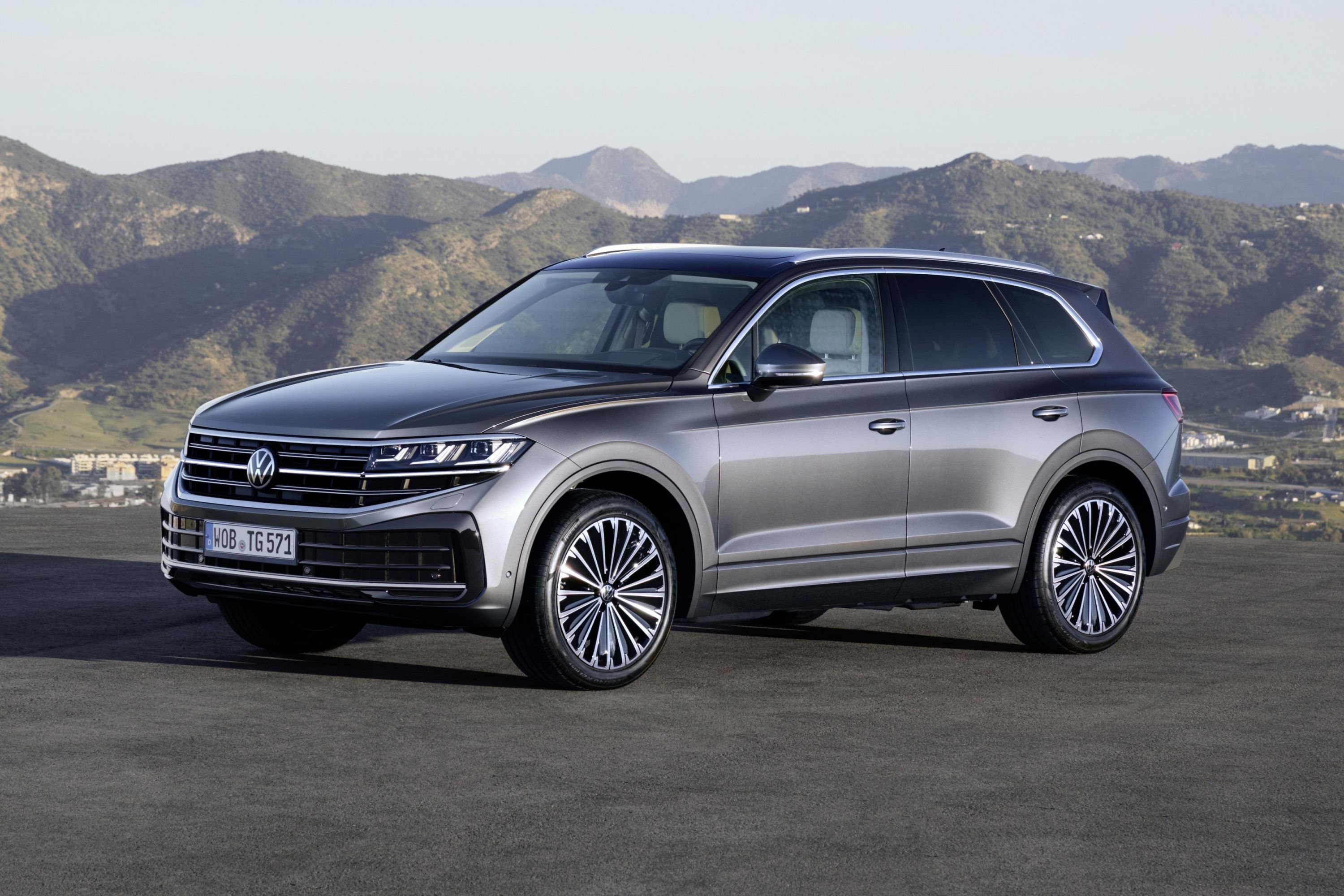
The Peaq’s success will also depend on how well it integrates with existing charging infrastructure and software ecosystems. Škoda has not yet commented on partnerships with third-party charging networks, but the vehicle’s compatibility with standard European charging protocols is expected to be a key selling point.
As the automotive industry continues to evolve, the Peaq represents a significant step forward for Škoda in its transition to electric mobility. The model’s focus on technology, range, and design could influence future developments across the Volkswagen Group, setting new standards for electric vehicle performance and user experience.
The Peaq’s launch has been accompanied by a series of promotional materials, including a product demo video showcasing its features. The video, which was shared by Škoda’s official channels, highlights the vehicle’s interior design, range capabilities, and digital interface. A Czech media outlet described the video as a key part of the model’s marketing strategy, emphasizing its appeal to tech-savvy buyers.
With the Peaq now officially unveiled, the next phase of its development will involve gathering consumer feedback and refining its features for mass production. Škoda’s ability to balance innovation with practicality will be critical in determining the model’s long-term success in the competitive electric vehicle market.
The company has not yet announced plans for additional electric models beyond the Peaq, but industry analysts speculate that the SUV’s performance could lead to further expansions in Škoda’s electric vehicle lineup. As the automotive sector continues its transition to electrification, the Peaq’s role in shaping Škoda’s future will be closely watched by investors, competitors, and consumers alike.
The Peaq’s launch has also sparked discussions about the future of SUVs in the electric era. With its emphasis on range, technology, and design, the model could set a new standard for what consumers expect from electric SUVs. As Škoda moves forward with its electric strategy, the Peaq will serve as a key indicator of the brand’s ability to
