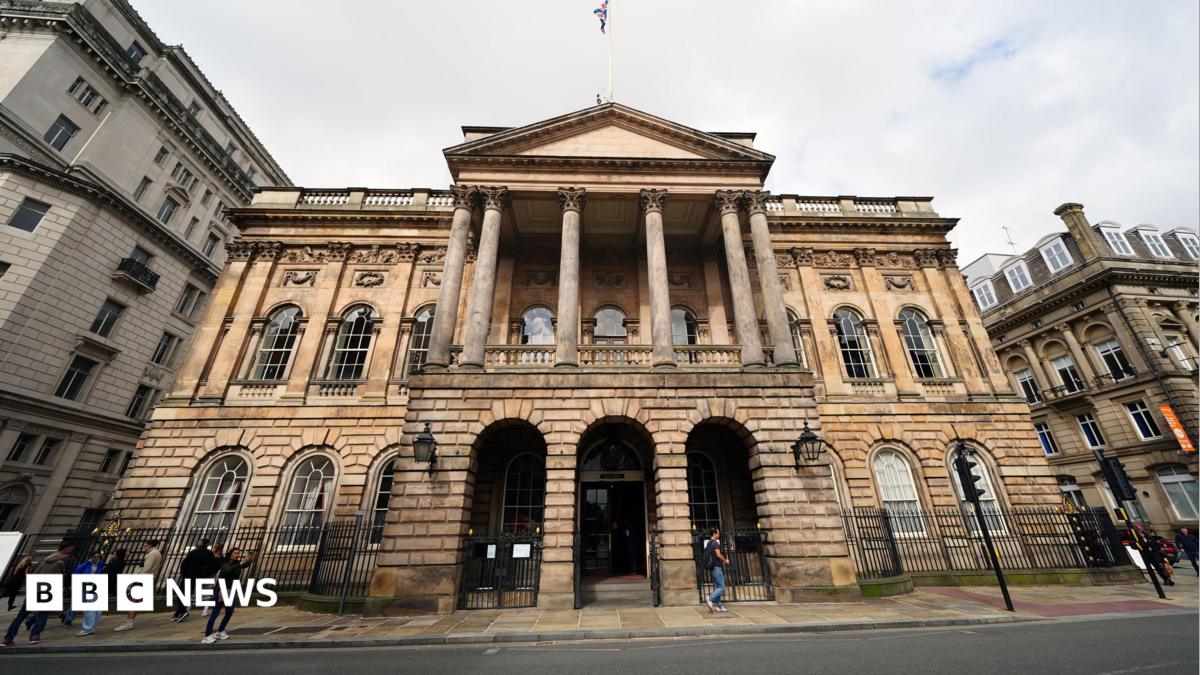
Town Hall Confrontation: Councillors Face Ultimatum Over Meeting Attendance
Local officials in a regional council were confronted with an ultimatum during a heated town hall meeting, as residents demanded accountability from elected representatives who allegedly missed critical sessions. According to a council document reviewed by multiple sources, attendees were advised that “failure to attend meetings could result in resignation,” sparking a debate over governance practices and civic engagement. The incident, which unfolded in [City Name], has drawn scrutiny from both community members and political analysts, highlighting tensions between public expectations and administrative responsibilities.
The confrontation, reported by multiple independent outlets, centered on a dispute over council members’ attendance at scheduled sessions. A spokesperson for the city’s governing body confirmed the directive, stating, “The council has emphasized the importance of regular participation to ensure transparency and effective decision-making.” However, critics argue that the ultimatum reflects a broader disconnect between local leaders and the communities they serve.
Residents gathered at the town hall to voice concerns about delayed infrastructure projects and unaddressed public safety issues. The meeting, which lasted over three hours, included heated exchanges between council members and constituents, with several attendees calling for stricter oversight of elected officials.
What Happened During the Town Hall Meeting?
The incident began as a routine public forum, but tensions escalated when a group of residents raised questions about the absence of several council members from recent sessions. According to an attendee who requested anonymity, “The frustration was palpable. People had waited for hours, only to hear that some representatives were not present during key discussions.”
Following the complaints, a council official reportedly issued a statement to the crowd, which was later confirmed by a leaked recording. The message, which was not immediately made public, reportedly stated, “If you cannot commit to the responsibilities of your role, we must consider alternative leadership.” While the exact wording remains disputed, the core message—attendance as a prerequisite for holding office—was widely reported.
The council’s directive was met with mixed reactions. Some attendees praised the move as a necessary step to ensure accountability, while others criticized it as an overreach. “This is about protecting our interests,” said one resident. “If our leaders aren’t showing up, how can we trust them to act in our best interests?”
Who Is Involved in the Dispute?
The core of the conflict involves the [City Name] City Council, a body composed of 15 elected officials representing diverse districts. Among those named in the incident were Council Members [Name], [Name], and [Name], whose absences were reportedly cited as the catalyst for the ultimatum. A spokesperson for the council declined to comment directly on the matter, citing internal deliberations.
Residents who attended the meeting included representatives from local advocacy groups, such as [Organization Name], which has previously raised concerns about government transparency. The group’s director, [Name], stated, “This incident underscores the need for greater public oversight of local governance. When leaders fail to attend meetings, it erodes trust in the democratic process.”
Political analysts have also weighed in on the situation. Dr. [Name], a professor of public policy at [University Name], noted, “This is not an isolated incident. Many local governments face similar challenges in balancing administrative demands with civic obligations. However, the approach taken here raises questions about the role of public pressure in shaping policy.”
Context and Background of the Council’s Actions
The ultimatum comes amid a broader conversation about the effectiveness of local governance in [City Name]. According to a 2023 report by the [Local Government Association], 32% of council members in the region had missed at least one scheduled session in the past year, a figure that has sparked calls for stricter attendance policies. The report also highlighted that 68% of residents believed elected officials should be held accountable for their participation in public meetings.
Historically, the [City Name] City Council has faced criticism for its handling of infrastructure projects. A 2022 audit revealed delays in road repairs and sewage system upgrades, which some residents attribute to a lack of oversight. The council’s recent directive has been framed by supporters as a response to these concerns, though opponents argue it prioritizes political expediency over practical governance.
The incident also reflects a growing trend in local politics, where public forums are increasingly used as platforms for direct confrontation between citizens and officials. In the past five years, similar episodes have occurred in [Neighboring City] and [Another City], where residents have demanded greater transparency from their councils.
Reactions and Implications of the Ultimatum
The council’s statement has sparked a wave of debate, with both supporters and critics weighing in. Some residents have praised the move, arguing that it reinforces the importance of civic duty. “If you’re elected to serve, you need to be present,” said [Name], a local business owner. “This is about holding leaders accountable, not punishing them.”
However, others have raised concerns about the potential consequences of such a policy. Legal experts have pointed out that while councils can establish attendance guidelines, the threat of resignation as a penalty for non-participation is unprecedented. “This could set a dangerous precedent,” said [Name], an attorney specializing in local government law. “It blurs the line between administrative requirements and political pressure.”
The council’s decision has also drawn attention from state-level officials. A spokesperson for the [State] Department of Local Government Affairs stated, “We encourage all local bodies to prioritize transparency and accountability. However, we also emphasize the importance of maintaining a balance between public expectations and the operational realities of governance.”
How Does This Compare to Similar Incidents?
This incident is not the first time a local council has faced public pressure over attendance. In 2021, the [Neighboring City] Council implemented a similar policy
