Urine liquid biopsy improves detection accuracy for urological cancers
Researchers are validating urine-based liquid biopsy as a patient-friendly alternative to surgical tissue exams for detecting bladder, prostate, and kidney cancers.
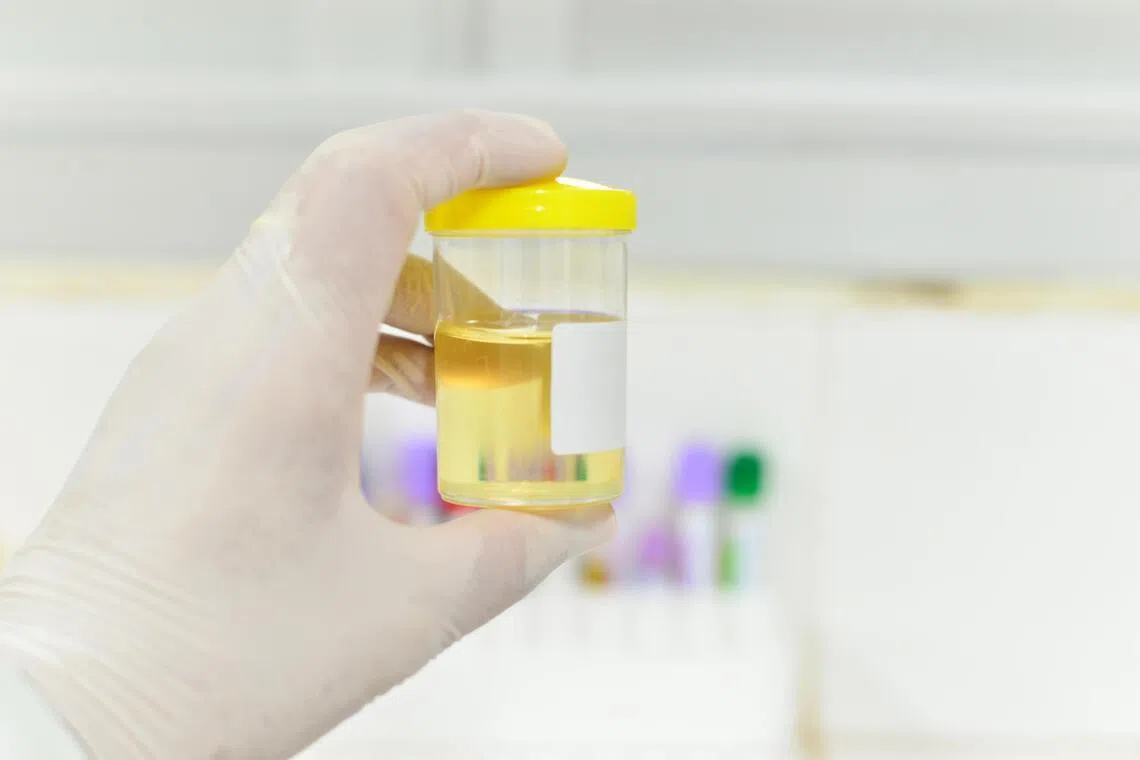
The field of urological oncology is currently undergoing a structural shift as researchers validate urine-based liquid biopsy as a robust, non-invasive diagnostic alternative to traditional surgical interventions. This transition seeks to address the diagnostic limitations and patient discomfort long associated with standard screening methods—such as cystoscopy and tissue biopsy—which have historically defined the care pathway for bladder, prostate, and kidney cancers.
Improving Detection Accuracy
Recent studies demonstrate that urine liquid biopsy effectively detects microscopic genetic fragments shed by tumors into the urinary tract. According to a study presented at the American Society of Clinical Oncology Singapore Conference 2026 in June, researchers found that urine liquid biopsy identified cancer-associated changes in 92.3 per cent of bladder cancer cases. This method proved particularly adept at identifying high-risk bladder cancers, detecting seven out of 10 such cases, compared to three out of 10 cases identified via conventional urine cytology, which requires a pathologist to examine urine under a microscope to detect the presence of cancerous or precancerous cells shed from the urinary tract.
Related media
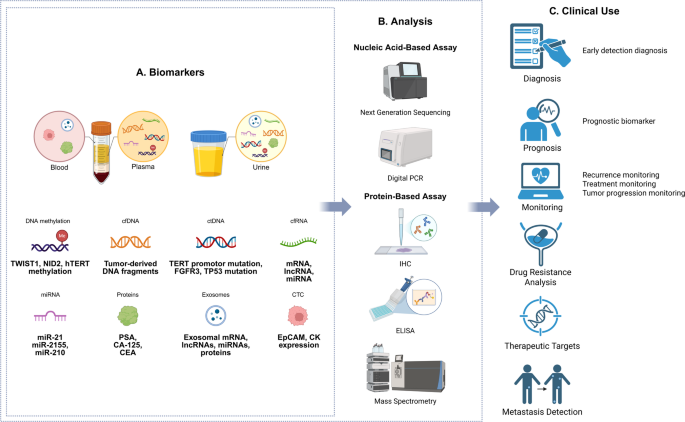

The molecular approach offers distinct advantages for prostate and kidney cancers. For prostate cancer, researchers found that analysing RNA – a molecule that carries genetic instructions – in urine samples increased cancer detection to 40 per cent, a significant jump from the 6.7 per cent detection rate achieved by analysing only DNA in the sample. While kidney cancer detection sensitivity remains modest at 14.3 per cent, the approach provides a less invasive profile of organ activity for patients who might otherwise face complex surgical procedures. Kenneth Chen, a senior consultant in the department of urology at Singapore General Hospital (SGH), described the urine liquid biopsy as an attractive and convenient alternative to invasive testing such as blood drawing or an endoscopic check of the bladder
.
Addressing Limitations in Current Care
The development of these tests arrives amid broader challenges regarding diagnostic delays within public health systems. Data for July 2025 indicated that the National Health Service (NHS) in the United Kingdom diagnosed kidney cancer late in nearly 75 per cent of cases. Research from the charity Kidney Cancer UK notes that one in five patients is diagnosed at stage 4, rendering the cancer incurable. Experts point to the non-specific or subtle symptoms
of urological malignancies as a primary cause for these delays, often leading to misattribution and increased wait times that negatively impact patient outcomes.
Furthermore, traditional biopsy procedures are often underutilized due to their invasive nature. Prof Grant Stewart, a professor of surgical oncology at the University of Cambridge and a consultant urologist at Addenbrooke's Hospital, noted that biopsy plays a crucial role in ensuring accurate diagnosis and in preventing unnecessary surgical intervention
, yet currently is offered to fewer than one third of patients.
The "Liquid Gold" Potential
In medical literature, urine is frequently characterized as "liquid gold" for molecular diagnosis. As noted in research published in various scientific journals, urine contains elements such as exfoliated tumor cells, exosomes, and cell-free DNA (cfDNA) that allow for real-time monitoring of disease progression and therapeutic response. Unlike blood-based liquid biopsies, urine bathes genitourinary organs directly, often providing a richer source of tumor-derived material.
Comparative Diagnostic Methods
| Method | Primary Advantage | Key Limitation |
|---|---|---|
| Urine Cytology | Non-invasive | Lower sensitivity, often misses high-risk cases |
| Cystoscopy/Tissue Biopsy | Gold standard for visualization | Invasive, patient discomfort, high economic burden |
| Urine Liquid Biopsy | High sensitivity, non-invasive | Validation phase, requires large-scale standardization |
What to Watch Next
- Clinical Validation: Research groups, including those from Lucence, Singapore General Hospital (SGH) and the Diagnostics Development Hub (DxD Hub), are moving toward larger patient cohorts to optimize the technology for stage 1 and 2 urological cancers.
- New Guidelines: The National Institute of Health and Care Excellence (Nice) is set to publish guidance later this year on kidney cancer, which will encourage doctors to take more biopsies before going ahead with surgery.
- National Policy: Ministers are preparing to publish a National Cancer Plan in the UK, aimed at integrating genetic breakthroughs into standard screening protocols to improve survival rates.
As the scientific community continues to address pre-analytical variables and refine sequencing techniques, the integration of urine liquid biopsy into routine clinical practice remains the long-term goal. Researchers emphasize that the technology is currently in a validation phase. Future clinical deployment depends on the successful outcome of upcoming large-scale studies aimed at identifying which patient populations will benefit most from this screening approach.
Archypedia is dedicated to independent, evidence-backed reporting. This briefing was synthesized from primary source reporting, corroborated across independent newsrooms, and verified against our Editorial Standards.
Transparency record
Evidence behind this report
This report synthesizes 10 distinct sources. Open the source ledger below to compare the underlying coverage.
- ncbi.nlm.nih.gov
- straitstimes.com
- yahoo.com
- link.springer.com
- pmc.ncbi.nlm.nih.gov
- frontiersin.org
- nature.com
- clinicalresearchnewsonline.com
- cancer.org
- aacr.org
Prepared under the Archypedia Editorial Policy by the Lina Park editorial desk profile. AI-assisted tools may support drafting and verification; public accountability remains with Archypedia. Report an error.