Mosquito attraction depends on human skin scent and carbon dioxide levels
Recent studies confirm that mosquito attraction is driven by a complex interplay of biology, environment, and genetics, including CO2 and skin compounds.
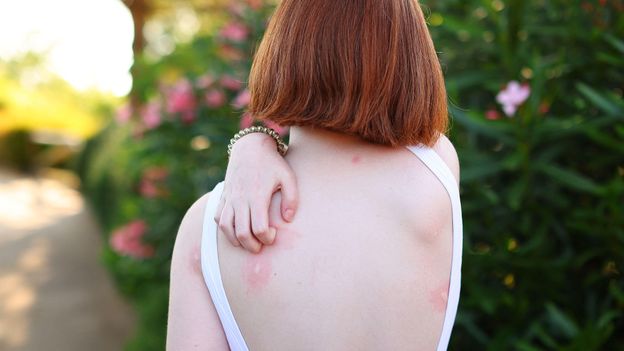
As summer temperatures rise, the persistent challenge of mosquito bites has returned to the forefront of Health concerns. While most encounters with these insects result in minor, localized irritation, recent studies confirm that mosquito attraction is not random. Instead, it is governed by a complex interplay of biology, environment, and genetics that leaves some individuals significantly more vulnerable than others.
The Mechanics of Attraction
Mosquitoes utilize a sophisticated sensory toolkit to identify hosts. They use visual and olfactory cues to identify their targets from around 33 feet away. According to the BBC, the primary "host-seeking" signal is carbon dioxide (CO2) exhaled by humans. This signal activates host-seeking behavior in the insects' olfactory organs. Because adult humans, particularly those who are exercising or pregnant, produce greater volumes of CO2 and body heat, they appear as stronger targets to female mosquitoes, which require blood proteins for egg development.
Related media

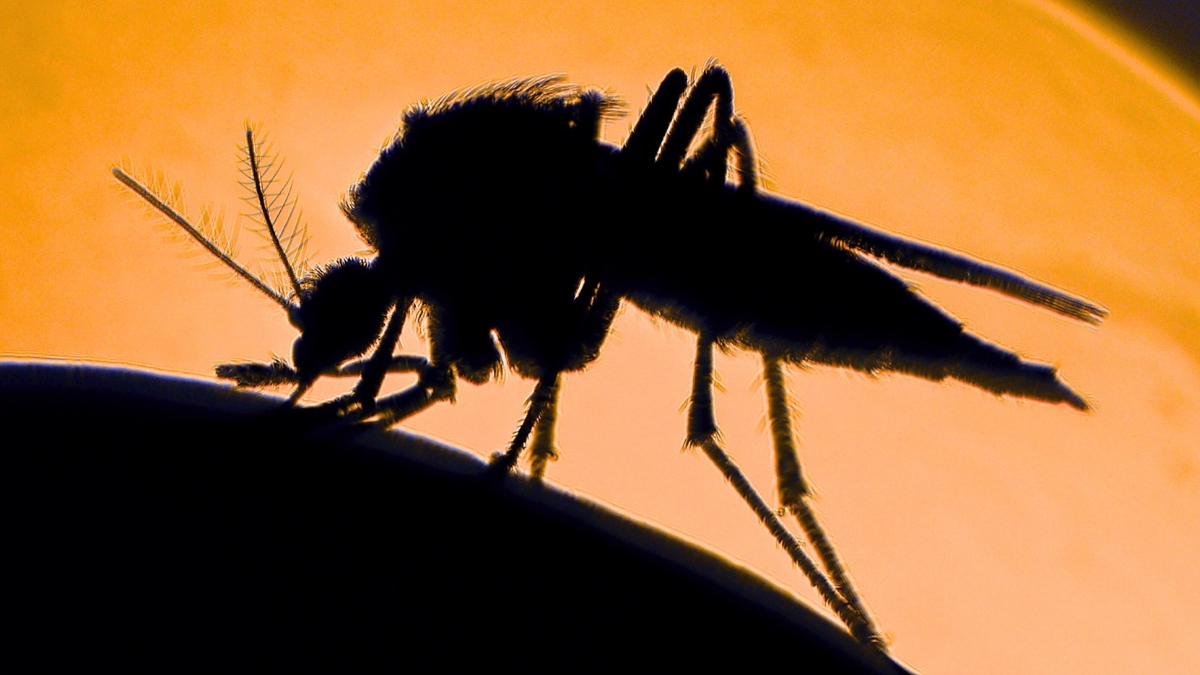

As insects close the gap to within approximately 33 feet, they rely on a volatile chemical cocktail unique to each person. Scientists have identified over 500 volatile organic compounds (VOCs) on human skin. Research highlights that these signals are partly derived from the skin microbiome. People who are highly attractive to mosquitoes often possess a specific, less diverse bacterial community on their skin. Furthermore, studies at Rockefeller University found that individuals with high levels of carboxylic acids — produced through the breakdown of sebum — can be up to 100 times more attractive to mosquitoes than others. Crucially, this level of attractiveness remains largely fixed over an individual's lifetime.
Factors Influencing Mosquito Preference
- Genetics and Blood Type: Research suggests that people with Type O blood may be targeted more frequently, although some researchers remain skeptical of this link due to small sample sizes in historical studies.
- Diet and Activity: Consuming beer has been linked to increased attractiveness in multiple studies, though the exact mechanism, whether through changes in body temperature or CO2 output, remains a subject of investigation.
- Visual Cues: Beyond scent, mosquitoes use vision to find hosts. Studies suggest that mosquitoes are drawn to darker colors, which may make these individuals stand out more against a background.
Health Risks and Prevention
While the primary nuisance is itching, mosquito bites are increasingly recognized for their potential to spread disease. As climate change expands the habitats of various mosquito species, health departments are reporting spikes in activity. Experts emphasize that the severity of a reaction is often tied to the individual's immune system. Some people develop a tolerance to mosquito saliva over time, while others may experience more intense, allergic-like responses.
What to Watch Next
As researchers continue to study the chemical basis of attraction, the focus is shifting toward developing more effective, personalized repellents. In the meantime, public health officials recommend a consistent approach to protection:
| Strategy | Recommended Action |
|---|---|
| Physical Barriers | Wear long, light-colored sleeves and trousers to cover exposed skin. |
| Repellents | Use products containing DEET, picaridin, or PMD. |
| Environment | Eliminate standing water and utilize fans, which help dissipate CO2 and skin odors. |
| After-care | Use antihistamines or hydrocortisone to treat itching; avoid scratching to prevent secondary infection. |
Health authorities advise that if a bite develops increasing redness, warmth, or persistent pain, medical consultation is essential to rule out infection or more severe complications.
Archypedia is dedicated to independent, evidence-backed reporting. This briefing was synthesized from primary source reporting, corroborated across independent newsrooms, and verified against our Editorial Standards.
Transparency record
Evidence behind this report
This report synthesizes 11 distinct sources. Open the source ledger below to compare the underlying coverage.
- bbc.com
- health.harvard.edu
- sciencealert.com
- smithsonianmag.com
- medicinenet.com
- bbc.co.uk
- healthline.com
- post-journal.com
- yahoo.com
- whiznews.com
- theweek.in
Prepared under the Archypedia Editorial Policy by the Lina Park editorial desk profile. AI-assisted tools may support drafting and verification; public accountability remains with Archypedia. Report an error.