
Swiss investment firm Ethos has announced it will exclude companies tied to fossil fuel expansion from its investment portfolio, marking a sharp shift in how sustainable finance firms screen potential holdings.
The move comes as global capital markets face growing pressure to align investments with climate goals, with Ethos becoming the first major asset manager in Switzerland to adopt such a strict exclusion policy.
Why Ethos is Banning Fossil Fuel Expansion Stocks
Ethos’s new policy bars investments in companies whose primary business model involves expanding fossil fuel production, including oil, gas, and coal. The firm cited scientific consensus on climate risks and regulatory trends in Europe—such as the EU’s Sustainable Finance Disclosure Regulation—as key drivers for the decision.
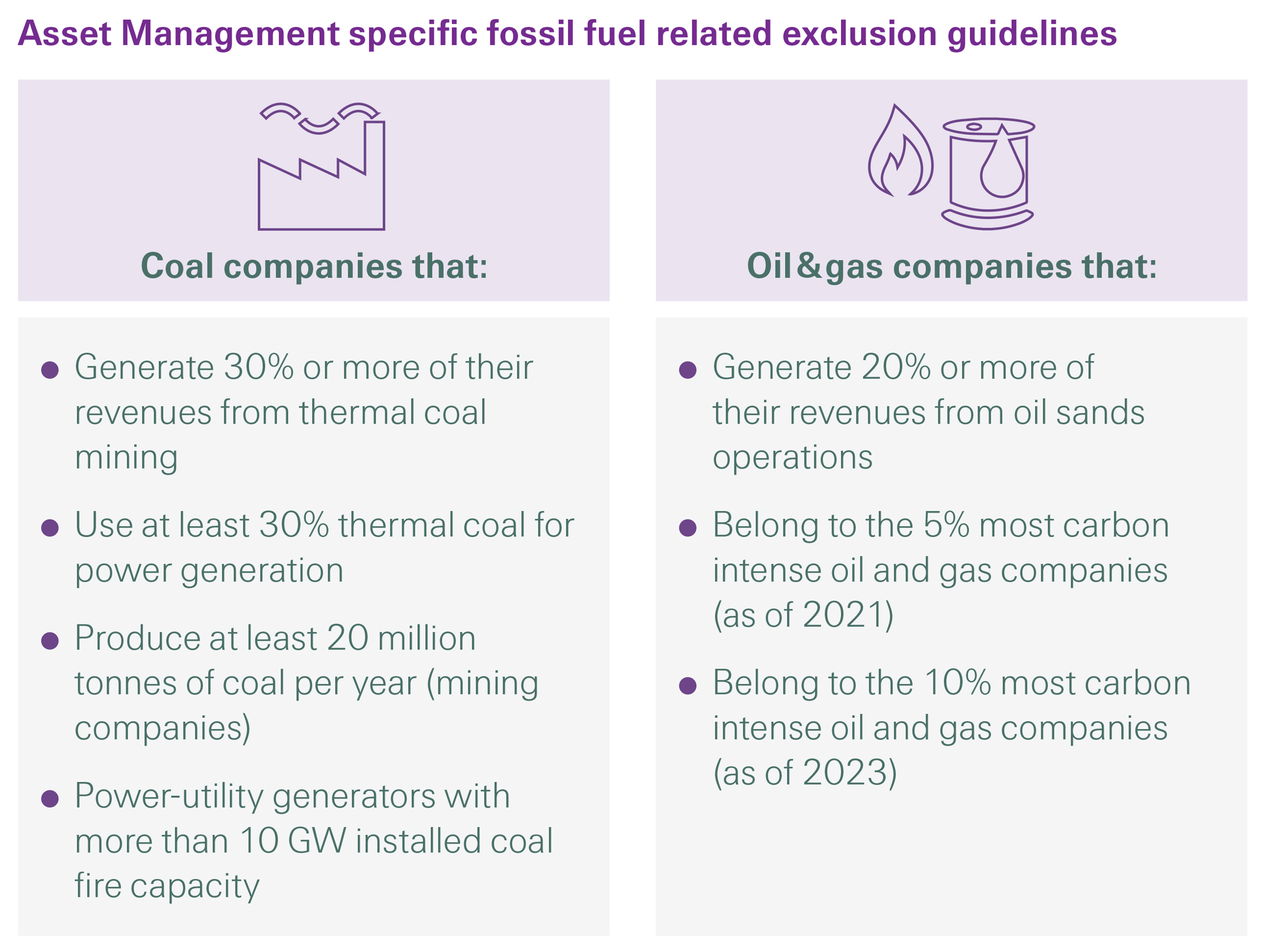
According to internal statements, Ethos will now exclude companies that:
- Derive more than 10% of their revenue from fossil fuel extraction or infrastructure.
- Have announced plans to increase production capacity in the next five years.
- Lack credible transition plans to align with the Paris Agreement’s 1.5°C target.
The policy takes effect immediately, affecting Ethos’s $1.2 billion in assets under management, though the firm did not disclose which specific companies will be divested.
How This Compares to Other Sustainable Finance Firms
While many asset managers—including BlackRock and Vanguard—have pledged to reduce carbon exposure in portfolios, Ethos’s approach is stricter than most. For example:
- BlackRock targets net-zero portfolios by 2050 but still holds stakes in fossil fuel producers.
- Norges Bank Investment Management (Norway’s sovereign wealth fund) excludes only companies with more than 5% fossil fuel revenue.
- Swiss competitor Sycomore Asset Management excludes fossil fuel companies entirely but focuses on broader ESG (environmental, social, governance) criteria.
Ethos’s exclusion policy aligns more closely with activist funds like Follow This, which has campaigned for divestment from fossil fuels since 2019. However, Ethos’s scale—$1.2 billion—makes its move significant for Swiss markets, where fossil fuel-linked investments remain common.
What This Means for Swiss Investors and Regulators
The decision could accelerate regulatory pressure on Swiss financial firms. The Swiss Federal Council has already proposed stricter climate disclosure rules for asset managers, and Ethos’s move may prompt others to follow suit.

Industry analysts note that the policy could also reduce Ethos’s portfolio volatility, as fossil fuel stocks have underperformed renewable energy and tech sectors in recent years. However, some critics argue the exclusion may limit diversification opportunities.
According to a spokesperson for the Swiss Sustainable Finance Association, “Ethos’s move sends a clear signal that Swiss investors are no longer willing to tolerate business-as-usual in fossil fuels.”
What’s Next for Fossil Fuel Investments in Switzerland?
Ethos plans to publish its first annual climate impact report by mid-2025, detailing how the exclusion policy affects portfolio performance. The firm has also committed to engaging with excluded companies to encourage transition plans.
Meanwhile, Swiss regulators are expected to finalize climate disclosure rules by early 2025, which could force other asset managers to adopt similar policies. If adopted widely, such measures could reshape Switzerland’s $7.5 trillion financial sector.
