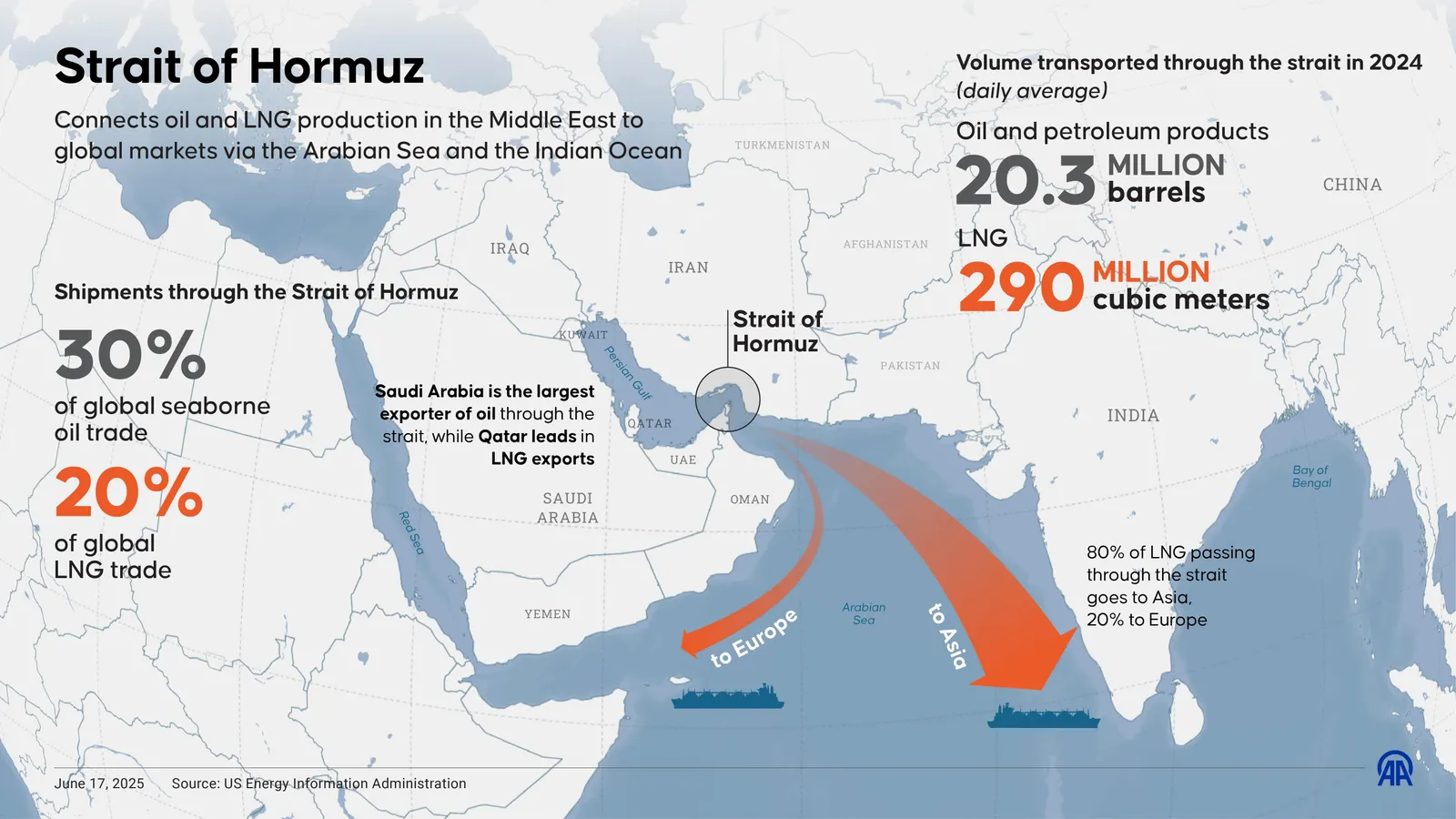
A $50 oil barrel could become the new normal—and global markets are bracing for the fallout. While the geopolitical flashpoint in the Strait of Hormuz has eased, economists warn that inflation will linger well beyond the immediate crisis, reshaping energy prices, industrial supply chains, and even healthcare costs for months to come.
Key Points
- Oil prices near $50 per barrel could persist even after the Strait of Hormuz reopens, according to Le Monde and The Economist, disrupting inflation trends.
- Iran’s role in destabilizing OPEC negotiations has created a “stuck” market where supply constraints outweigh demand recovery.
- Critical shortages—from jet fuel to aluminum—could emerge as early as summer, with hospitals already reporting shortages of medical-grade supplies.
- Russia stands to benefit from higher prices, while Western economies face prolonged economic drag.
Why Oil Prices May Stay Stuck at $50—Despite Hormuz Reopening
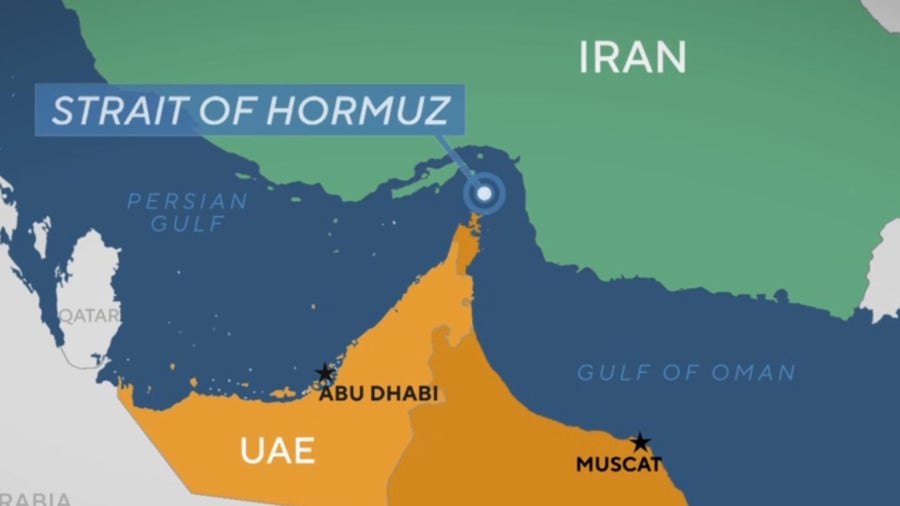
The Strait of Hormuz, a critical chokepoint for global oil trade, has avoided a repeat of the Suez Canal blockage, but the economic damage may already be baked in. Analysts cite two interlocking factors: Iran’s deliberate disruption of OPEC+ coordination and a structural mismatch between supply and demand that could keep crude prices near $50 per barrel for months.

“The real risk isn’t a sudden spike—it’s a baril coincé à 50 dollars,” one report noted, referencing Les Échos. Iran’s refusal to align with OPEC’s production cuts has left the cartel divided, preventing a unified response to price volatility. Meanwhile, global demand remains sluggish, with refineries struggling to process lighter crude—exacerbating shortages of key fuels like jet kerosene and diesel.
Historical precedent underscores the danger: the 1973 oil crisis, triggered by a similar geopolitical squeeze, saw prices spike from $3 to $12 per barrel and linger for years. Today’s $50 mark—down from 2022 peaks but still elevated—could trigger similar ripple effects, particularly in energy-dependent sectors.
What Shortages Could Hit First—and Who’s Most Vulnerable
Industrial and healthcare systems are already signaling early warning signs. Hospitals in Europe and North America are reporting shortages of sterile supplies, including syringes and aluminum-based medical packaging, as refineries prioritize fuel production over petrochemical feedstocks. Aluminum production, which relies on kerosene-derived energy, could face a 10–15% supply crunch by mid-2024, according to Marianne.
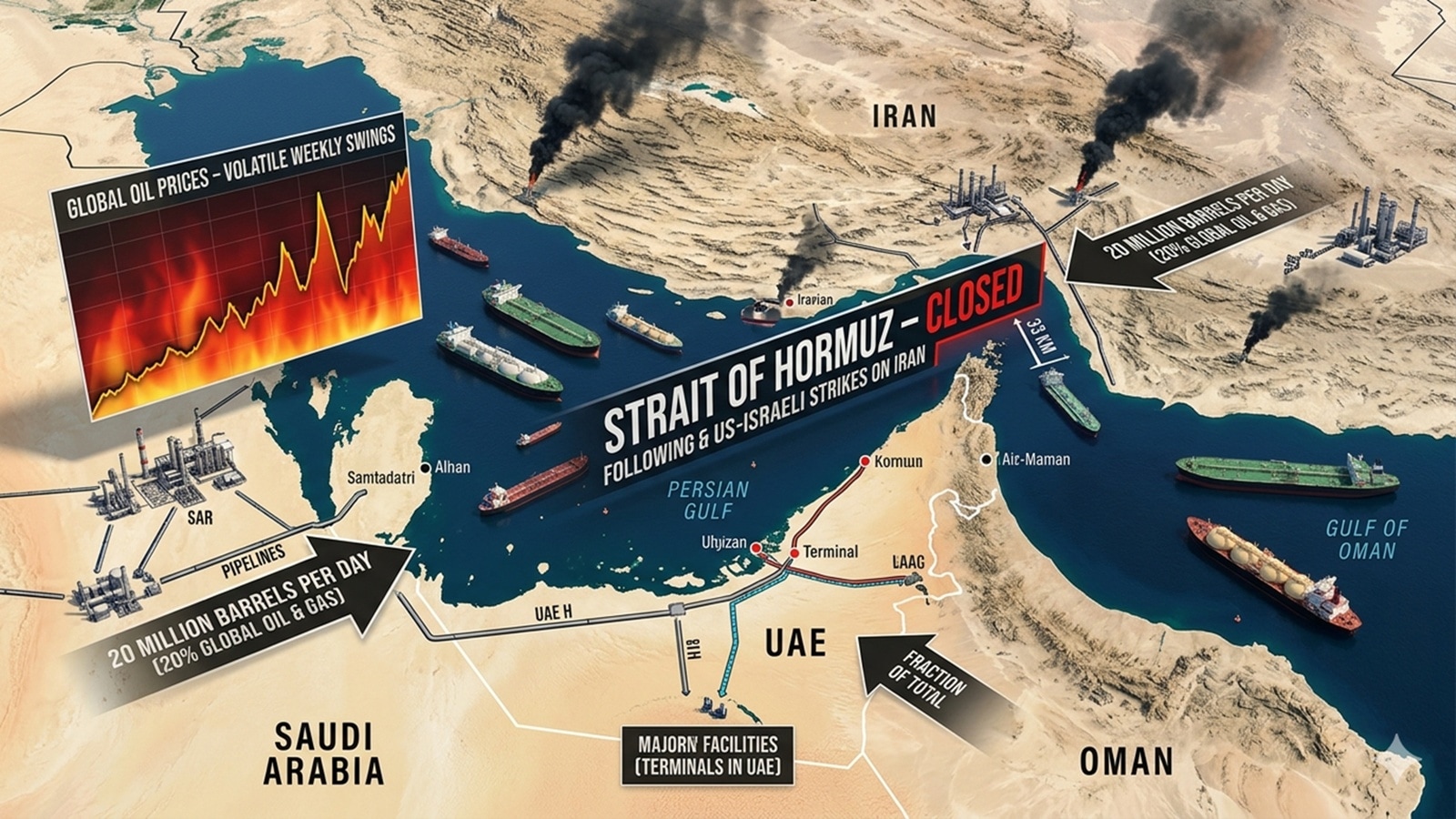
The aviation sector is equally exposed. Jet fuel demand is projected to rise 5% annually, but refinery bottlenecks could force airlines to ration supplies, leading to higher ticket prices or route cuts. “We’re looking at a summer of disruptions,” said one logistics expert, adding that the Strait of Hormuz’s 2019 tensions—when attacks on tankers sent prices surging—offered a preview of what’s ahead.
Key at-risk sectors:
- Healthcare: Medical-grade aluminum and plastic shortages due to refinery prioritization.
- Aviation: Jet fuel rationing likely as demand outpaces refined output.
- Automotive: Aluminum-intensive vehicle production could face delays.
- Energy: Power plants relying on heavy crude may see higher fuel costs.
Russia’s Unexpected Windfall—and the West’s Prolonged Pain
While Western economies grapple with inflation, Russia emerges as the primary beneficiary of the stalemate. Moscow has already ramped up oil exports to Asia, capitalizing on Europe’s reduced reliance on Russian crude. “The war in Ukraine has reshaped energy markets, and now Iran’s actions are adding another layer of complexity,” noted Alternatives Économiques.
For the U.S. and EU, the consequences are twofold: slower inflation cooling and prolonged energy subsidies. The European Central Bank has signaled it may delay rate cuts, citing persistent price pressures. Meanwhile, American drivers—already facing gasoline prices above $3.50 per gallon in some states—could see little relief until OPEC stabilizes output.
One silver lining: the crisis may accelerate energy transition investments. Solar and wind projects in Europe have seen record funding this year as governments seek to reduce fossil fuel dependence. However, the immediate impact will be felt in consumer wallets and industrial margins.
What Happens Next: Three Scenarios for Oil Markets
The next six months will hinge on three critical variables, each with distinct outcomes:
1. OPEC+ Reunites (Low Probability)
If Iran reverses course and aligns with Saudi-led production cuts, prices could dip to $40–$45 by year-end. However, Le Monde suggests this is unlikely without external pressure.
2. Stalled Negotiations (Most Likely)
With Iran refusing to compromise and global demand weak, prices will hover near $50, triggering localized shortages but avoiding a 2008-style crash. Supply chains will adapt, but costs will remain elevated.
3. Escalation in the Gulf (High Risk)
A new conflict—such as an attack on Saudi or UAE oil infrastructure—could push prices back toward $70, reviving inflation fears. The Suez Canal blockage of 2021, which lasted eight years, serves as a cautionary tale: even resolved crises can cast long shadows.
For now, the focus remains on managing the fallout. “The economy isn’t out of the woods yet,” warned one economist. “This isn’t a one-off shock—it’s a new baseline.”
