Bids for a Stake in Formula 1’s Alpine Reignite Dual Team Duel – Financial Times
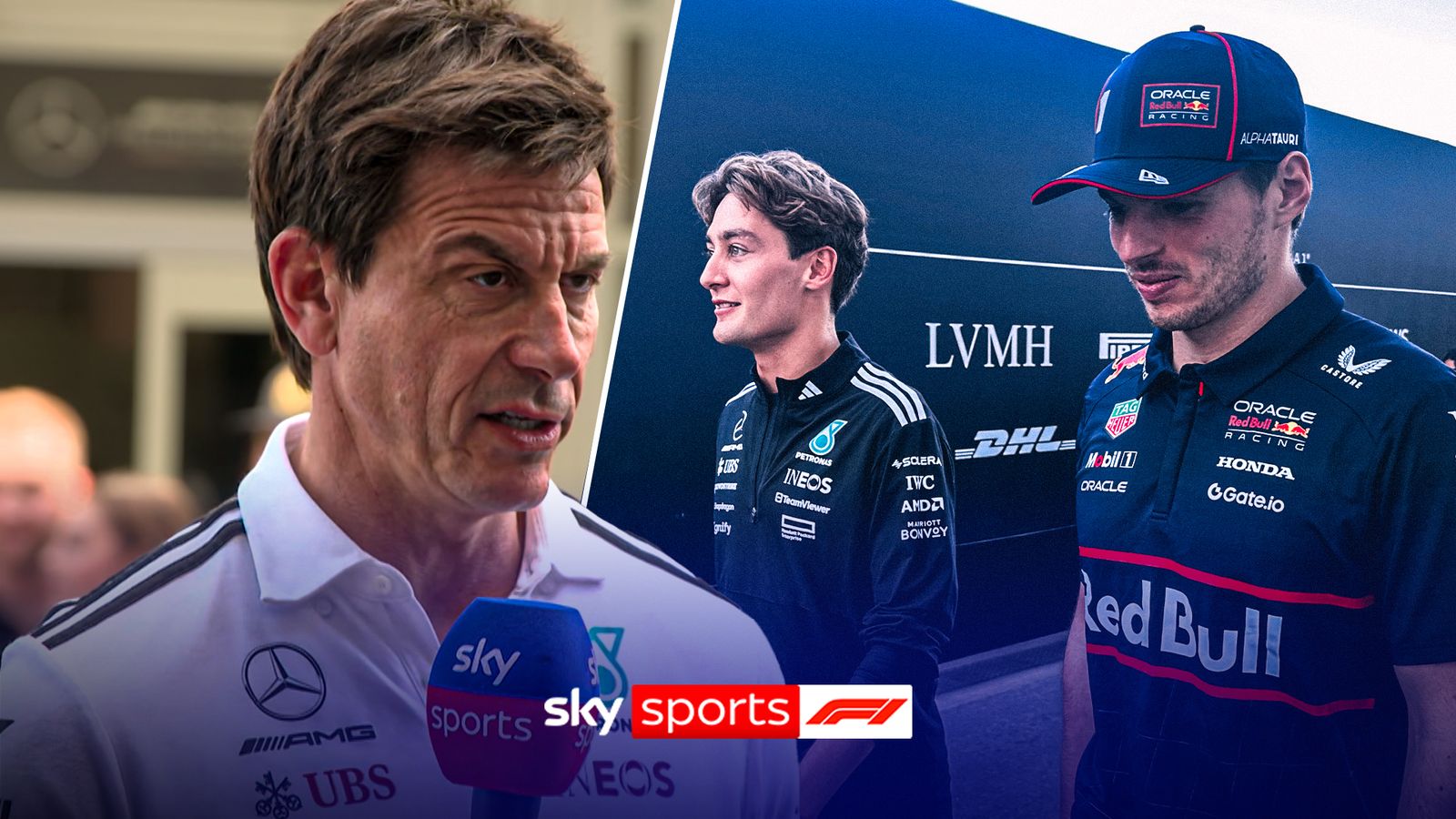
The high-stakes ecosystem of Formula 1 is once again centered on the boardroom rather than the racetrack. Recent developments surrounding bids for a stake in Formula 1’s Alpine reignite dual team duel – Financial Times, highlighting a volatile intersection of corporate valuation, manufacturer ambition and financial pragmatism. At the heart of this drama is a collapsed negotiation between two of the sport’s most prominent names: Mercedes and Alpine.
In a move that has sent ripples through the paddock, Mercedes has reportedly withdrawn from discussions regarding the acquisition of a minority stake in the Alpine F1 team. The primary catalyst for this exit was a fundamental disagreement over the team’s valuation, with Mercedes deeming the asking price to be prohibitively expensive. This failure to reach an agreement does more than just stall a potential partnership; it exposes the widening gap between how legacy manufacturers view the cost of entry and how current team owners value their “franchise” in an era of unprecedented global growth for the sport.
The Anatomy of a Failed Acquisition: Mercedes and Alpine
The pursuit of a minority stake in Alpine by Mercedes was viewed by many as a strategic masterstroke that could have reshaped the competitive landscape of Formula 1. By securing a piece of a rival team, Mercedes would have expanded its influence within the sport’s governance and potentially created a symbiotic relationship with another manufacturer. However, the talks ultimately hit a wall over the financial terms of the deal.
According to reports, Mercedes pulled out of these talks specifically because the valuation of the Alpine share was considered too high. In the modern era of Formula 1, team valuations have skyrocketed due to the introduction of the cost cap and the surge in popularity in the United States. Teams are no longer viewed merely as racing outfits but as high-value intellectual properties and global marketing platforms. When a potential buyer like Mercedes—known for its meticulous financial discipline—decides a price is “too expensive,” it suggests a significant disconnect between the seller’s aspirations and the buyer’s reality.
The collapse of the Mercedes-Alpine talks underscores a critical tension in modern F1: the struggle to balance the prestige of manufacturer ownership with the cold mathematics of investment returns.
Key Drivers Behind the Valuation Dispute
- The Franchise Model: F1 has transitioned toward a franchise-like model where the “slot” on the grid is an incredibly rare and valuable asset.
- Cost Cap Stability: The budget cap has made teams more predictable from a financial standpoint, increasing their attractiveness to investors and driving up valuations.
- Manufacturer Synergy: For Mercedes, a stake in Alpine would have been about more than just racing; it would have been about strategic positioning among the remaining manufacturer-backed teams.
- Price Expectations: Alpine’s parent company, Renault, likely viewed the stake through the lens of long-term brand equity, while Mercedes viewed it through the lens of immediate value and risk.
Renault’s Internal Pressures and the Alpine Dilemma
The timing of these failed negotiations is particularly poignant given the broader struggles facing the Renault Group. While the F1 team is a crown jewel of marketing, the parent organization has been grappling with significant industrial challenges. Reports indicate that Renault closures continue to be a reality, suggesting a company in the midst of a painful restructuring process.
This creates a paradoxical situation for the Alpine F1 team. On one hand, the need for an infusion of capital—which a minority stake sale to Mercedes would have provided—is likely high, especially as the company manages its wider corporate closures and pivots toward new energy strategies. The desire to maintain a high valuation for the team is a matter of corporate pride and financial reporting. Selling a stake at a “discount” could be perceived as a sign of weakness or a devaluation of the brand’s prestige.
| Stakeholder | Primary Objective | Major Obstacle |
|---|---|---|
| Mercedes | Strategic expansion and influence | Overvaluation of Alpine shares |
| Alpine/Renault | Capital infusion and brand prestige | Internal corporate closures and restructuring |
| Formula 1 | Stability and manufacturer commitment | Financial volatility among team owners |
The “Dual Team Duel”: Understanding the Competitive Tension
The phrase “bids for a stake in Formula 1’s Alpine reignite dual team duel – Financial Times” points to a deeper conflict. This “duel” is not just about who owns which percentage of a team, but about the battle for dominance in a sport where the barriers to entry are now almost insurmountable.

When a team like Mercedes eyes a stake in a rival, it creates a complex dynamic. If the deal had gone through, Mercedes would have been in the unusual position of being both a competitor and a partial owner of a competitor. This would have created an internal “dual” tension: the need to win on Sunday while ensuring the financial health of a rival entity on Monday. The failure of this deal preserves the traditional rivalry but leaves Alpine in a precarious position, still searching for the right partner or the right price to stabilize its future.
Why Minority Stakes are the New Trend
In recent years, we have seen a shift away from 100% ownership toward minority stakes. This allows original owners to:
- De-risk the Investment: Spreading the financial burden of the sport across multiple partners.
- Attract Expertise: Bringing in partners who offer more than just money, such as technical prowess or market access.
- Maintain Control: Allowing the primary manufacturer to keep the steering wheel while benefiting from external capital.
For Alpine, the search for a minority partner is a search for sustainability. For Mercedes, the refusal to overpay is a signal to the rest of the grid that while they are interested in growth, they will not be swayed by the “hype” of inflated F1 valuations.
Paddock Politics: The Christian Horner Variable
While the financial battle between Mercedes and Alpine dominates the headlines, the human element of Formula 1 remains just as volatile. Parallel to these corporate maneuvers, reports have surfaced regarding Christian Horner and a “vetoed” comeback. According to reports, a potential return or shift in role for the Red Bull boss has been blocked by a “shock obstacle.”
While this may seem unrelated to the Alpine valuation saga, it is deeply connected to the overall stability of the sport. Formula 1 is as much about personalities as it is about power units. The movement (or lack thereof) of key figures like Horner influences team morale, sponsor confidence, and the overall political climate of the paddock. When corporate deals fail and leadership transitions are blocked, it creates an atmosphere of uncertainty that can affect everything from technical development to the willingness of investors to commit funds.
The intersection of these stories—the financial rejection of Alpine by Mercedes and the personnel roadblocks facing Horner—paints a picture of a sport in a state of flux. The “golden era” of F1 growth is bringing immense wealth, but it is also bringing immense complexity in how that wealth is managed and who is allowed to wield power.
Implications for the Future of Formula 1 Ownership
The fallout from the Mercedes-Alpine negotiations serves as a cautionary tale for other teams seeking investment. The “valuation bubble” in F1 is a real phenomenon. As the sport’s popularity grows, owners are tempted to set prices based on future projections rather than current performance or tangible assets.
However, as Mercedes has demonstrated, there is a limit to what even the most successful teams are willing to pay. If Alpine cannot find a buyer who agrees with their valuation, they may be forced to either:
- Accept a Lower Valuation: Admitting that the market does not support their internal pricing.
- Continue Sole Ownership: Bearing the full financial weight of the team amidst Renault’s corporate closures.
- Seek Alternative Partners: Looking toward sovereign wealth funds or private equity firms that may have different valuation metrics than a fellow manufacturer.
This situation also highlights the importance of the related explainer on the F1 cost cap, as the budget restrictions are the primary reason these teams have become attractive assets in the first place. Without the cost cap, the financial risk of owning a team would be too high for most, and the “dual team duel” for stakes would likely not exist.
Common Misconceptions About F1 Team Sales
There is often a misunderstanding among casual observers about what it means to “buy a stake” in an F1 team. It is rarely as simple as buying shares in a public company.
Misconception 1: A minority stake means shared technical secrets
In reality, minority stakes are often structured to avoid conflicts of interest. A buyer may have a seat on the board and a share of the profits, but they do not necessarily gain access to the wind tunnel data or the secret sauce of the engine. The “dual team duel” is managed through strict legal firewalls.
Misconception 2: High valuations are always based on performance
As seen in the Alpine case, valuations are often based on the “slot” (the right to race) and the brand’s global reach. A team can be struggling on the track but still be valued in the billions because the opportunity to enter F1 is so limited.
Misconception 3: Manufacturer teams are the most stable
The Renault/Alpine situation proves that manufacturer teams are subject to the whims of their parent company’s broader financial health. When a parent company faces closures, the racing team—no matter how prestigious—can become a liability or a target for divestment.
Analyzing the Long-Term Strategic Shift
Looking forward, the failure of the Mercedes-Alpine deal suggests a shift toward a more fragmented ownership structure in Formula 1. We are moving away from the era of the “single-owner manufacturer” and toward a model of “strategic consortia.”
If Mercedes is unwilling to pay the current premium for Alpine, it may indicate that they believe the market has peaked, or that they are waiting for a more distressed asset to become available. For Alpine, the “dual team duel” continues, but the options are narrowing. The pressure from Renault’s internal closures will eventually force a decision: either find a partner at a realistic price or risk the long-term viability of the project.
The sport is now in a phase where financial engineering is as important as aerodynamic engineering. The ability to navigate these valuation disputes and personnel vetoes will determine which teams thrive in the next decade and which become footnotes in the history of the sport’s commercial expansion.
Quick Summary of the Current State of Play
- The Deal: Mercedes considered a minority stake in Alpine.
- The Result: Negotiations collapsed due to a valuation gap (“too expensive”).
- The Context: Renault is facing corporate closures, adding pressure to the Alpine project.
- The Paddock: Personnel shifts, including a vetoed move for Christian Horner, add to the overall instability.
- The Takeaway: F1 valuations are high, but there is a limit to what strategic buyers will pay.
Frequently Asked Questions
Why did Mercedes pull out of talks to buy a stake in Alpine?
Mercedes withdrew from the negotiations because they deemed the valuation of the minority stake in the Alpine F1 team to be too expensive. There was a fundamental disagreement between the two parties regarding the fair market value of the shares.
How do Renault’s corporate closures affect the Alpine F1 team?
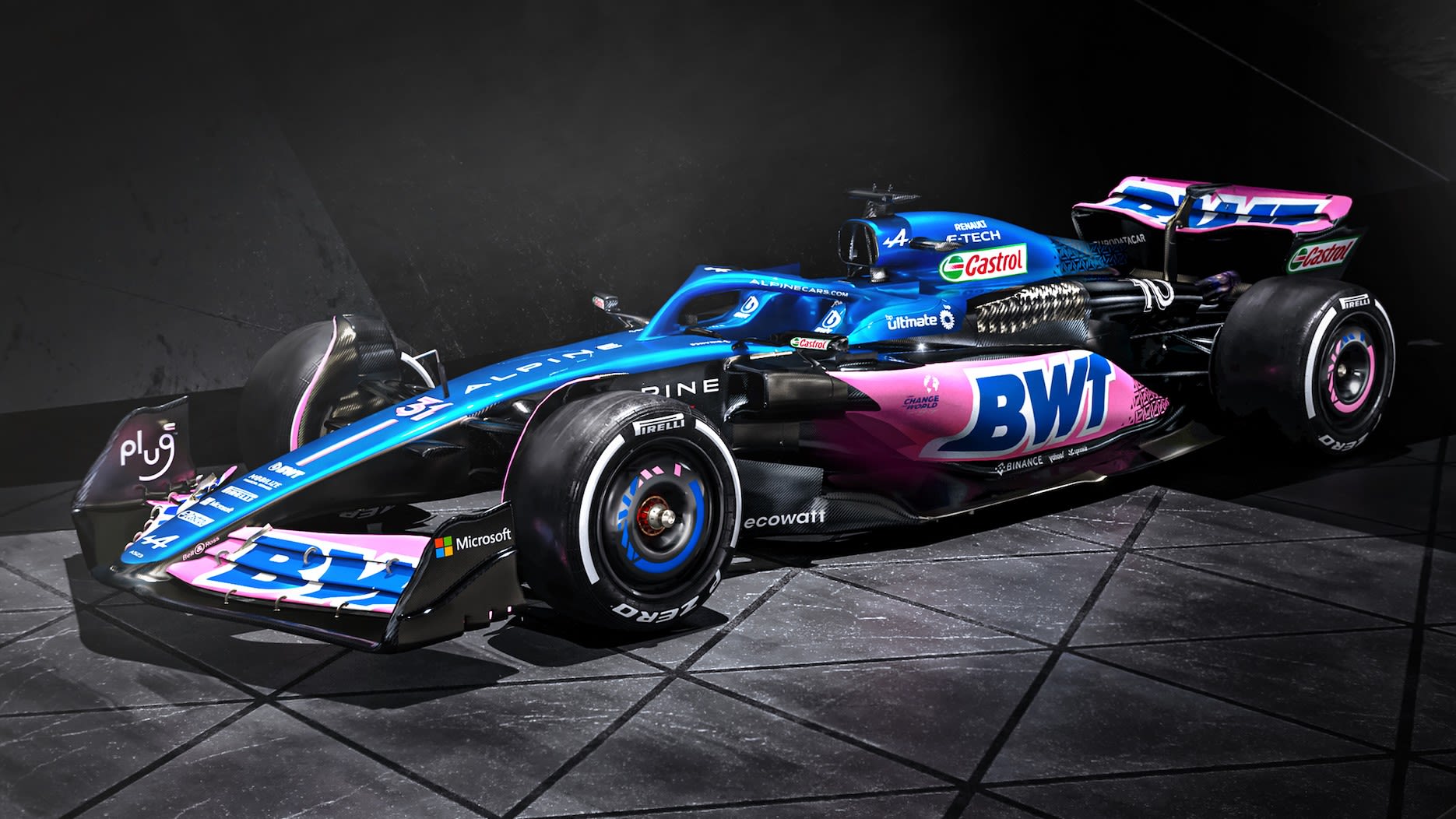
While the F1 team is a separate entity in terms of racing, it is owned by the Renault Group. Corporate closures within Renault suggest financial strain and restructuring, which increases the pressure on the Alpine team to either find external investment or operate more leanly.
What is meant by a “minority stake” in an F1 team?
A minority stake means that an investor buys a percentage of the team (less than 50%), giving them a share of the profits and potentially some influence over strategic decisions, but not full control of the team’s operations.
Is the “dual team duel” about racing or business?
In the context of these reports, the “duel” refers to the business and political struggle for influence and ownership within the sport. It highlights the tension between competing manufacturers who are simultaneously rivals on the track and potential business partners in the boardroom.
Who is Christian Horner and why is his situation relevant?
Christian Horner is the Team Principal of Red Bull Racing. His mentioned “vetoed” comeback or role change is relevant because it reflects the broader political instability and power struggles currently occurring within the F1 paddock, mirroring the corporate instability seen in the Alpine-Mercedes talks.
