
German President Set for State Visit to Manila – Rappler and Major Outlets Report
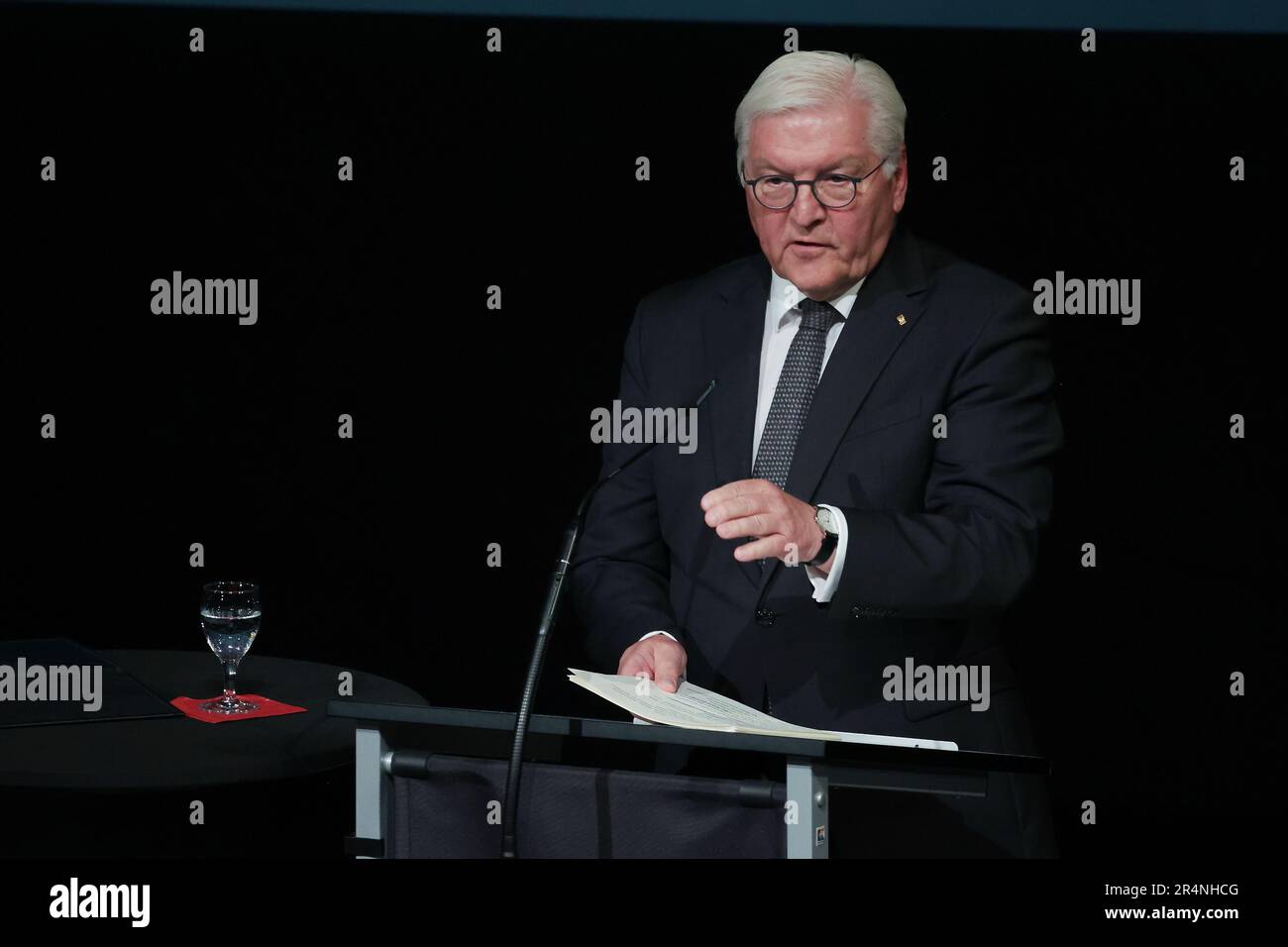
German President Frank-Walter Steinmeier will visit Manila from June 15 to 17 for a state visit hosted by President Ferdinand Marcos Jr., according to reports from Inquirer.net and other news agencies. The visit focuses on expanding bilateral cooperation in defense, trade, and energy, marking a significant diplomatic engagement between the two nations.
Who is involved in the upcoming state visit to the Philippines?
The primary figures in this diplomatic event are German President Frank-Walter Steinmeier and Philippine President Ferdinand “Bongbong” Marcos Jr. According to the Manila Bulletin, President Marcos Jr. will serve as the official host for the German head of state during his stay in the capital. The visit involves high-level delegations from both the German and Philippine governments, specifically those overseeing national security, economic trade, and energy infrastructure.
While the German presidency is largely a ceremonial role, the visit carries substantial symbolic weight. In the German political system, the President represents the state on the international stage, while the Chancellor handles executive government policy. The presence of President Steinmeier indicates a high level of diplomatic priority placed on the Philippines by the Federal Republic of Germany.
When and where is the German president’s visit taking place?
The visit is scheduled for June 15 through June 17. The primary location for the official engagements is Manila, where the state functions and bilateral meetings will occur. As reported by Inquirer.net, the itinerary spans three days, providing a window for formal receptions, diplomatic talks, and potential meetings with business leaders and government officials.
The timing of this visit is significant. By scheduling the trip for mid-June, both nations are aligning their diplomatic calendars to address pressing issues in security and economic stability before the third quarter of the year. The state visit format is the highest level of diplomatic reception, involving full honors and formal state dinners, which distinguishes it from a standard working visit.
What are the primary goals of the talks on defense, trade, and energy?
According to the Philippine News Agency, the discussions between President Marcos Jr. and President Steinmeier will center on three critical pillars: defense, trade, and energy. Each of these areas represents a strategic interest for both Berlin and Manila.
Defense Cooperation and Security
The defense component of the visit arrives at a time when the Philippines is actively diversifying its security partnerships. Germany is a global leader in military technology and engineering. Discussions are expected to cover:
- Maritime Security: Cooperation on maintaining open sea lanes and international law.
- Equipment Procurement: Potential for the Philippines to acquire German-made defense hardware.
- Capacity Building: Training and intelligence sharing to enhance national security.
Trade and Economic Expansion
Trade remains a cornerstone of the relationship. Germany is one of the Philippines’ most significant partners within the European Union. The goal is to move beyond traditional trade and foster deeper investment. Key focus areas include:
- The “Mittelstand” Connection: Encouraging Germany’s small and medium-sized enterprises—the backbone of its economy—to invest in Philippine manufacturing.
- EU-PH Free Trade Agreement: Using the state visit to signal momentum toward broader trade liberalizations between the Philippines and the EU.
- Digital Transformation: Leveraging German expertise in Industry 4.0 to modernize Philippine industrial processes.
Energy Transition and Sustainability
Energy security is a top priority for the Marcos administration. Germany, known for its Energiewende (energy transition) policy, offers a blueprint for shifting toward renewables. According to reports, the talks will likely address:
- Renewable Energy Integration: Implementing solar and wind technologies on a larger scale.
- Green Hydrogen: Exploring Germany’s leadership in hydrogen fuel as a clean alternative for industrial use.
- Grid Modernization: Improving the efficiency of the Philippine power grid to reduce outages and lower costs.
“PBBM, German president set talks on defense, trade, energy,” reports the Philippine News Agency, highlighting the multifaceted nature of the diplomatic agenda.
Why is this state visit described as “historic”?
The Manila Standard characterizes the upcoming visit as “historic.” This designation stems from the rarity of a German head of state visiting Manila and the current geopolitical climate. For decades, Philippine-German relations were stable but lacked the high-level momentum seen in recent years.

Several factors contribute to the “historic” nature of this event:
- Diplomatic Elevation: A state visit by the President is the highest form of diplomatic recognition, signaling that Germany views the Philippines as a key strategic partner in Southeast Asia.
- Strategic Diversification: For the Philippines, engaging more deeply with Germany reduces over-reliance on a few traditional security partners.
- European Pivot: Germany is increasingly looking toward the Indo-Pacific region to secure supply chains and diversify its economic interests away from single-market dependencies.
By framing the visit as historic, the Manila Standard emphasizes that this is not merely a routine diplomatic stop, but a recalibration of the relationship to meet 21st-century challenges.
How do different news outlets frame the visit?
A comparison of the reporting shows that while all outlets agree on the facts, their framing differs based on their editorial focus. The Philippine News Agency emphasizes the technical and sectoral goals, whereas the Manila Standard focuses on the prestige and historical weight of the event.
| News Outlet | Primary Frame/Angle | Key Emphasis |
|---|---|---|
| Philippine News Agency | Policy-Driven | Defense, trade, and energy specifics. |
| Manila Standard | Symbolic/Diplomatic | The “historic” nature of the state visit. |
| Inquirer.net | Logistical/Timeline | The specific dates (June 15-17) and hosting duties. |
| Manila Bulletin | Host-Centric | President Marcos Jr.’s role in welcoming Steinmeier. |
This variation suggests that the visit is being viewed through multiple lenses: as a practical opportunity for economic gain, a strategic security move, and a diplomatic victory for the current administration.
What are the broader implications for Philippine-EU relations?
Germany is the largest economy in the European Union and often acts as the bloc’s economic engine. Therefore, the outcomes of the talks between President Steinmeier and President Marcos Jr. will likely ripple through the Philippines’ relationship with the rest of the EU.
If the visit results in concrete agreements on energy and defense, it could pave the way for similar partnerships with other EU member states. Furthermore, a successful state visit strengthens the Philippines’ position in negotiating the EU-Philippines Free Trade Agreement (FTA), which is vital for increasing exports of Philippine goods to European markets.
The focus on “green energy” also aligns the Philippines with the EU’s Global Gateway initiative, which aims to invest in sustainable infrastructure in partner countries. By securing German support for energy transition, the Philippines positions itself as a leader in sustainability within the ASEAN region.
Potential Challenges and Misconceptions
One common misconception is that a state visit by the German President will immediately result in the signing of major treaties. It is important to clarify that the President of Germany does not hold the executive power to sign trade deals or defense treaties—that authority rests with the Federal Chancellor and the German Parliament (Bundestag). The President’s role is to set the diplomatic tone and open doors for the technical negotiators who follow.
Another challenge is the alignment of regulatory standards. German industry operates under some of the world’s strictest environmental and labor laws. For Philippine companies to benefit from increased German investment, there will likely be a push to align local standards with EU norms, which may be a complex transition for some local sectors.
Key elements of the diplomatic agenda
To better understand the scope of the visit, the following points summarize the expected priorities based on the reporting from Rappler and other sources:
- Security Alignment: Moving toward a shared understanding of maritime stability in the Indo-Pacific.
- Industrial Synergy: Connecting German engineering with Philippine labor and resource markets.
- Climate Action: Transitioning from coal-dependency to a diversified renewable energy portfolio.
- Diplomatic Prestige: Strengthening the visibility of the Philippines as a stable and welcoming destination for European capital.
For those tracking the geopolitical shift in the region, this visit serves as a marker of the Philippines’ “friend to all” foreign policy, expanding its network of partners beyond the traditional superpowers.
Comparison with Previous Diplomatic Engagements
Compared to previous visits by European leaders, the focus on “defense” in this specific visit is notably prominent. While previous engagements focused heavily on development aid and human rights, the current reporting from the Philippine News Agency indicates a shift toward “hard” security and high-tech industrial cooperation. This reflects a change in the Philippine strategic outlook, prioritizing modernization and deterrence alongside economic growth.
The inclusion of energy as a top-three priority also marks a departure from older diplomatic frameworks. In the past, energy talks were often secondary to trade. Now, with the global climate crisis and the Philippines’ struggle with electricity costs, energy has become a primary diplomatic currency.
Frequently Asked Questions
When exactly is the German president visiting Manila?
According to Inquirer.net, President Frank-Walter Steinmeier is scheduled to be in the Philippines from June 15 to June 17.
What are the main topics of discussion during the visit?
The Philippine News Agency reports that the talks will focus primarily on defense, trade, and energy cooperation.
Who is hosting the German president in the Philippines?
President Ferdinand “Bongbong” Marcos Jr. is the official host for the state visit, as noted by the Manila Bulletin.
Is this a working visit or a state visit?
It is a state visit, which is the highest level of diplomatic engagement. The Manila Standard describes the event as “historic.”
Will this visit lead to new trade deals?
While the President sets the diplomatic stage, actual trade agreements are typically negotiated by the executive government (the Chancellor’s office) and the parliament. However, the visit is expected to create the political momentum necessary for such deals.
As the dates of June 15-17 approach, the focus will shift to the specific joint statements issued by both leaders. Observers will be looking for concrete commitments in the defense sector and specific investment pledges in the energy transition, which would transform the symbolic “historic” nature of the visit into tangible national benefits.
For more context on the Philippines’ evolving foreign policy, readers may look for a related explainer on Indo-Pacific diplomatic shifts to see how this visit fits into a broader global pattern.
