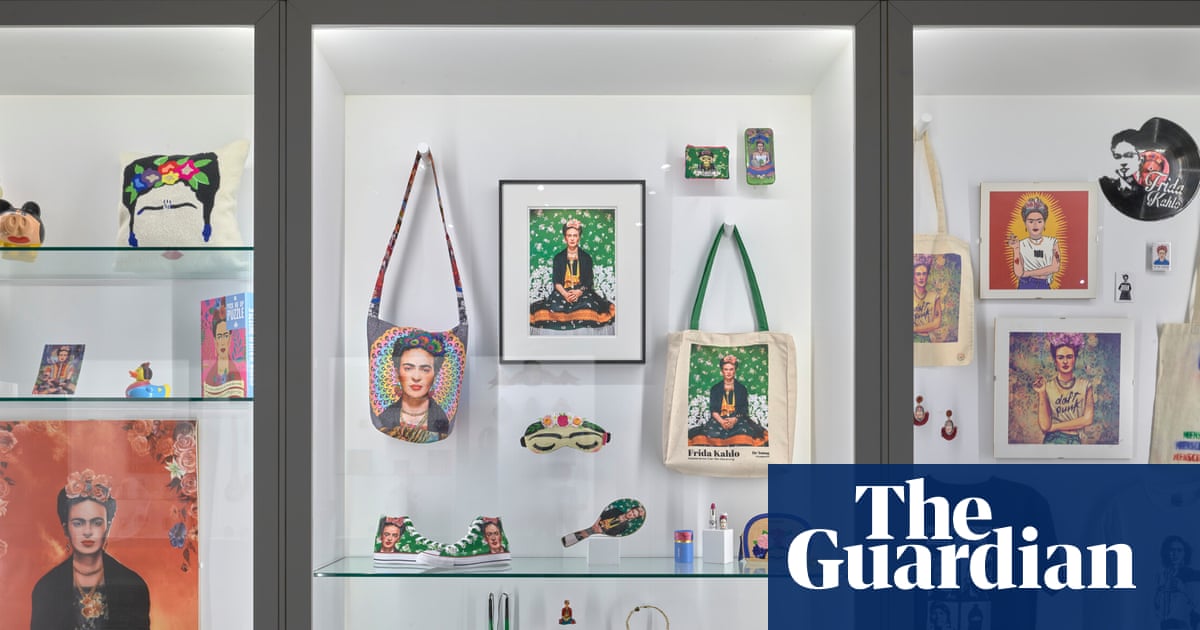
‘Rude, heavy-drinking and a committed communist’: The Frida Kahlo You Can’t Buy in the Gift Shop
Frida Kahlo, the Mexican artist whose vibrant self-portraits and unapologetic symbolism have become global icons, is often reduced to a kitschy figure adorning trinkets and merchandise. Yet a deeper look at her life reveals a woman who defied societal norms, challenged political structures, and embraced a complex, often controversial identity. Recent exhibitions and scholarly analyses have reignited interest in the less-commercialized facets of her legacy, painting a portrait of a woman who was as provocative in her personal conduct as she was in her art.
What Led to the Exhibition of Frida Kahlo’s Radical Persona?
A major exhibition at the Tate Modern in 2023, titled “Frida Kahlo: The Unseen,” sought to reframe public understanding of the artist by focusing on her political activism, personal relationships, and the socio-political context of her work. According to a report by the Financial Times, the exhibit drew record crowds, but critics noted that it struggled to balance her artistic genius with her radical views. The show featured letters, personal belongings, and rarely seen paintings that highlighted her commitment to communism, her struggles with addiction, and her sharp, often confrontational personality.

Kahlo’s political leanings were shaped by the turbulent 1920s and 1930s, a period marked by revolutionary movements across Latin America. She became a member of the Mexican Communist Party in 1925, a decision influenced by her husband, Diego Rivera, a prominent muralist and party member. Their marriage, marked by infidelity and emotional turmoil, was as much a political partnership as it was a personal one. “She wasn’t just a muse; she was a revolutionary,” said Dr. Elena Vázquez, a historian at the University of Mexico, in an interview with The Conversation. “Her art was a reflection of her beliefs, and her life was a constant act of defiance against oppression.”
Who Was Frida Kahlo Beyond the Iconic Image?
While Kahlo’s public persona is often associated with her physical suffering and emotional resilience—stemming from a severe bus accident in her youth—her private life reveals a woman who was unafraid to challenge authority. A 2022 article in Jewish News highlighted her complex relationship with her heritage, as she publicly identified as Jewish during a time when such a stance carried significant risks. This declaration, made during the rise of fascism in Europe, underscored her commitment to social justice, even as it put her at odds with certain segments of Mexican society.
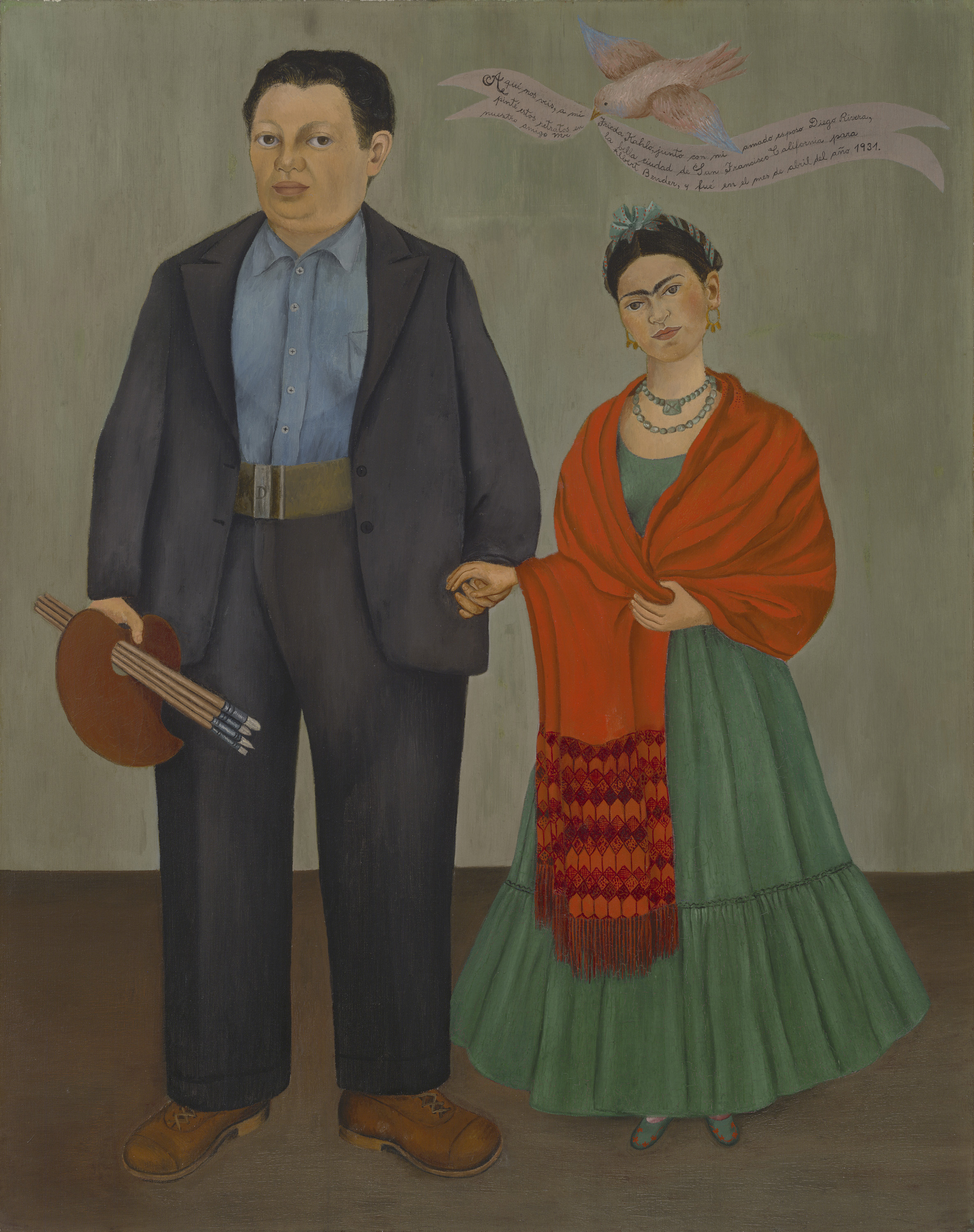
Kahlo’s personal habits also diverged sharply from the image of the delicate artist. She was known for her heavy drinking, a coping mechanism for chronic pain and emotional distress. According to a biography by Hayden Herrera, “Frida Kahlo: A Biography of the Paintings,” she often drank tequila and wine in excess, a habit that exacerbated her health issues. Her interactions with others were similarly unfiltered; colleagues and friends described her as “rude” and “intimidating,” with a tendency to speak her mind regardless of social norms.
Why Does This Matter in the Context of Art and Politics?
The renewed focus on Kahlo’s radical persona raises broader questions about how artists are remembered and commodified. As The Guardian noted in a 2023 analysis, her image has been co-opted by commercial brands, reducing her to a symbol of “strength” and “resilience” that often overlooks her political convictions. This tension between artistic legacy and commercialization is not unique to Kahlo, but her case is particularly striking given the intersection of her personal and political identities.
“Artists like Kahlo are often celebrated for their aesthetic contributions, but their political messages are frequently sidelined,” said Professor Maria López, a cultural critic at Columbia University. “This exhibition attempts to correct that by showing how her work was deeply intertwined with her activism.” The Tate Modern’s exhibit included a series of letters in which Kahlo criticized capitalist systems and expressed solidarity with workers’ movements, underscoring the relevance of her views in today’s global debates about inequality and social justice.
What Are the Implications of Revisiting Frida Kahlo’s Legacy?
The reexamination of Kahlo’s life and work has significant implications for how art history is taught and interpreted. By emphasizing her radicalism, scholars and curators are challenging the notion that artists must be “acceptable” or “palatable” to be remembered. This shift also invites a reevaluation of her influence on contemporary artists who grapple with similar themes of identity, resistance, and personal trauma.
Moreover, the focus on Kahlo’s personal struggles and political beliefs has sparked discussions about the role of women in art history. Historically, female artists have been marginalized or reduced to their personal lives. Kahlo’s case is no exception, but her visibility has allowed for a more nuanced understanding of how gender, politics, and art intersect. “She broke the mold in so many ways,” said Dr. Sarah Mitchell, a curator at the Museo de Arte Moderno in Mexico City. “Her legacy is a reminder that art is never just about beauty—it’s about the times we live in.”
How Has the Art World Responded to This Narrative?
The response to the reimagined narrative of Frida Kahlo has been mixed. While many art historians and critics have praised the effort to humanize her, some have questioned whether the focus on her “radical” traits risks overshadowing her artistic achievements. The Financial Times reported that some viewers of the Tate Modern exhibition felt that the emphasis on her personal flaws and political views detracted from the technical brilliance of her work.

However, others argue that this perspective is long overdue. “Frida Kahlo’s art was a direct extension of her life,” said Dr. Vázquez. “To separate the two is to miss the point entirely.” The debate highlights a broader issue in the art world: the challenge of presenting artists as complex, multifaceted individuals rather than as static icons.
What Can We Learn From Frida Kahlo’s Story Today?
Kahlo’s life offers valuable lessons for contemporary audiences, particularly in an era marked by political polarization and cultural commodification. Her unapologetic embrace of her identity, her willingness to speak out against injustice, and her refusal to conform to societal expectations resonate with modern movements advocating for authenticity and social change.
At the same time, her story serves as a cautionary tale about the pressures of fame and the dangers of oversimplification. As The Guardian noted, the commercialization of her image has led to a distorted view of who she was. “We risk losing the essence of her work if we reduce her to a brand,” said Professor López. “She was a revolutionary, but she was also a woman who suffered deeply. Both aspects are essential to understanding her legacy.”
