
Carnival Cruise Bans 16 Passengers After Miami Port Brawl: WATCH: Mayhem as cruise passengers erupt into wild brawl – The Nightly
Carnival Cruise Line has permanently banned 16 passengers following a violent brawl at the Miami port, according to reports from USA Today and People.com. The cruise operator placed the involved individuals on a “Do Not Sail” list after footage of the fight surfaced, signaling a zero-tolerance policy toward passenger violence during the embarkation process.
How the Miami Port Brawl Unfolded
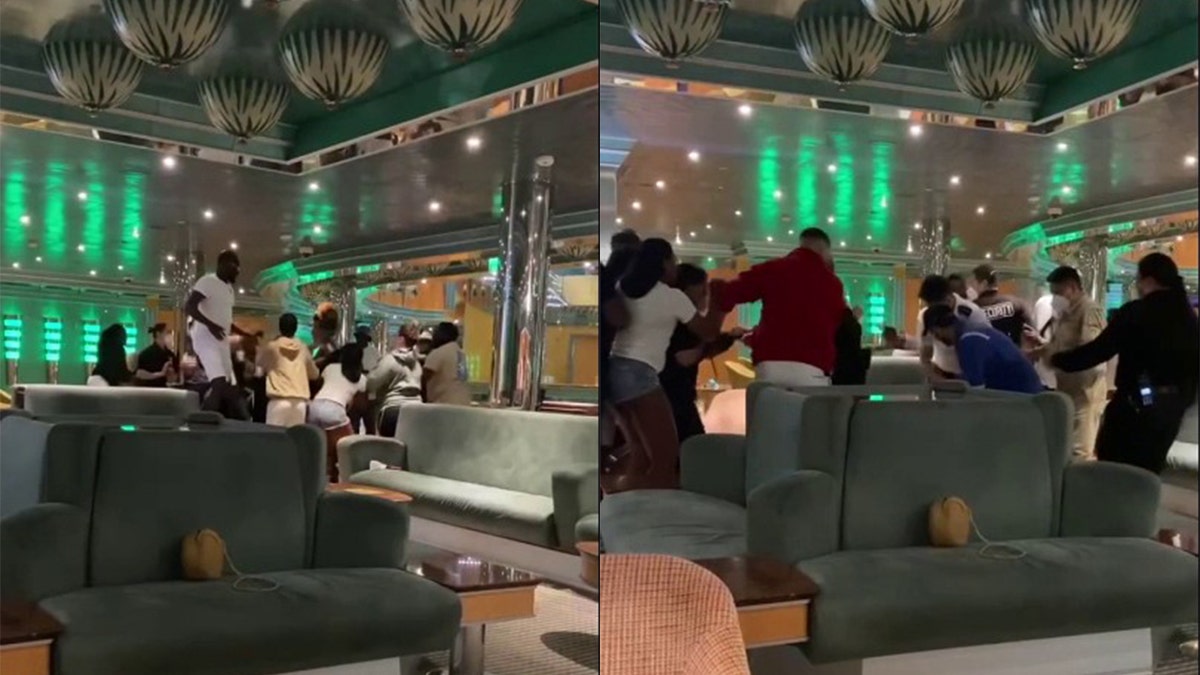
The incident occurred at the Port of Miami, where a large group of passengers engaged in a physical altercation before the cruise departed. According to reports from USA Today, the confrontation escalated quickly, resulting in a “massive brawl” that disrupted port operations and the boarding process for other guests.
Footage of the event, which sparked the viral search for WATCH: Mayhem as cruise passengers erupt into wild brawl – The Nightly, shows passengers swinging punches and shouting in a crowded terminal area. The chaos was captured by bystanders and subsequently shared across social media platforms, bringing immediate public attention to the security breach at the terminal.
While the specific catalyst for the fight remains undisclosed by the cruise line, the scale of the violence was significant enough to trigger an immediate administrative response. Carnival security and port authorities intervened to separate the combatants and restore order to the terminal.
| Incident Detail | Fact |
|---|---|
| Location | Port of Miami, Florida |
| Company Involved | Carnival Cruise Line |
| Number of Passengers Banned | 16 |
| Primary Penalty | Permanent “Do Not Sail” status |
The Consequences: What is Carnival’s ‘Do Not Sail’ List?
Carnival Cruise Line responded to the violence by placing 16 individuals on its “Do Not Sail” list. According to People.com, this designation acts as a permanent ban, preventing the identified passengers from booking any future voyages with the company.
The “Do Not Sail” list is a security tool used by cruise lines to mitigate risk and ensure the safety of other guests and crew. When a passenger is added to this list, their identification is flagged in the booking system. Any attempt to purchase a ticket under that name or passport number is automatically rejected. In severe cases of violence or criminal activity, these bans are typically permanent and non-negotiable.
Industry standards for passenger conduct are outlined in the “Guest Conduct Policy,” which most cruise lines require passengers to agree to upon booking. This policy generally prohibits:
- Physical violence or threats of violence toward others.
- Behavior that endangers the safety of the ship, crew, or other passengers.
- Illegal activities on board or at the port of embarkation.
- Harassment or disruptive behavior that interferes with the operation of the vessel.
By banning 16 people simultaneously, Carnival has indicated that the brawl was not an isolated dispute between two individuals, but a collective failure of conduct involving a larger group.
Differing Perspectives: How Global Outlets Reported the Mayhem
The reporting of this incident varied across different international outlets, reflecting different regional concerns regarding cruise safety and passenger behavior.

USA Today and People.com focused primarily on the disciplinary actions taken by Carnival, framing the story as a matter of corporate policy and port security. Their reports emphasized the “Do Not Sail” list and the factual outcome of the brawl.
In contrast, News.com.au highlighted the sheer volume of people banned, focusing on the “huge fight” and the resulting bans. Meanwhile, the outlet Cruise Passenger took a more analytical approach, questioning whether such incidents of violence in U.S.-based cruises might encourage Australian travelers to seek local cruising options instead. This framing suggests a perception that regional differences in passenger demographics or port management could impact the overall safety experience.
These differing angles demonstrate a contrast in how the news is consumed: North American outlets viewed the event as a breach of company rules, while international outlets used the event to discuss broader trends in cruise destination safety and passenger demographics.
Understanding Cruise Line Conduct Policies and Passenger Rights
The decision to ban 16 people highlights the broad discretionary power cruise lines hold over their passengers. Unlike land-based hotels, cruise ships operate under a combination of the ship’s flag state laws, international maritime law, and the laws of the ports they visit.
According to standard cruise contracts, the cruise line reserves the right to deny boarding or disembark a passenger at any port if their behavior is deemed detrimental to the safety or well-being of others. This power extends to the embarkation terminal, as seen in the Miami incident.
The Legal Threshold for a Permanent Ban
While a “Do Not Sail” list is a private corporate decision, it can have significant implications for a traveler. Because cruise lines are private entities, they generally do not need to provide a legal trial before banning a guest. They only need to establish that a violation of the Guest Conduct Policy occurred. Evidence such as CCTV footage, witness statements from crew members, and port authority reports are typically sufficient to justify a permanent ban.
Passengers who find themselves on such a list have limited recourse. While they can appeal the decision to the cruise line’s corporate office, these appeals are rarely successful in cases involving physical violence. The primary goal of the cruise line is to limit liability; keeping violent individuals off their ships is a direct method of reducing the risk of future lawsuits or injuries.
The Role of Port Authorities
The brawl occurred at the Miami port, which is a high-security zone. Port authorities work in tandem with cruise line security to manage the flow of thousands of passengers. When a fight breaks out in the terminal, it is not just a violation of cruise line policy but a potential security threat to the entire port facility.
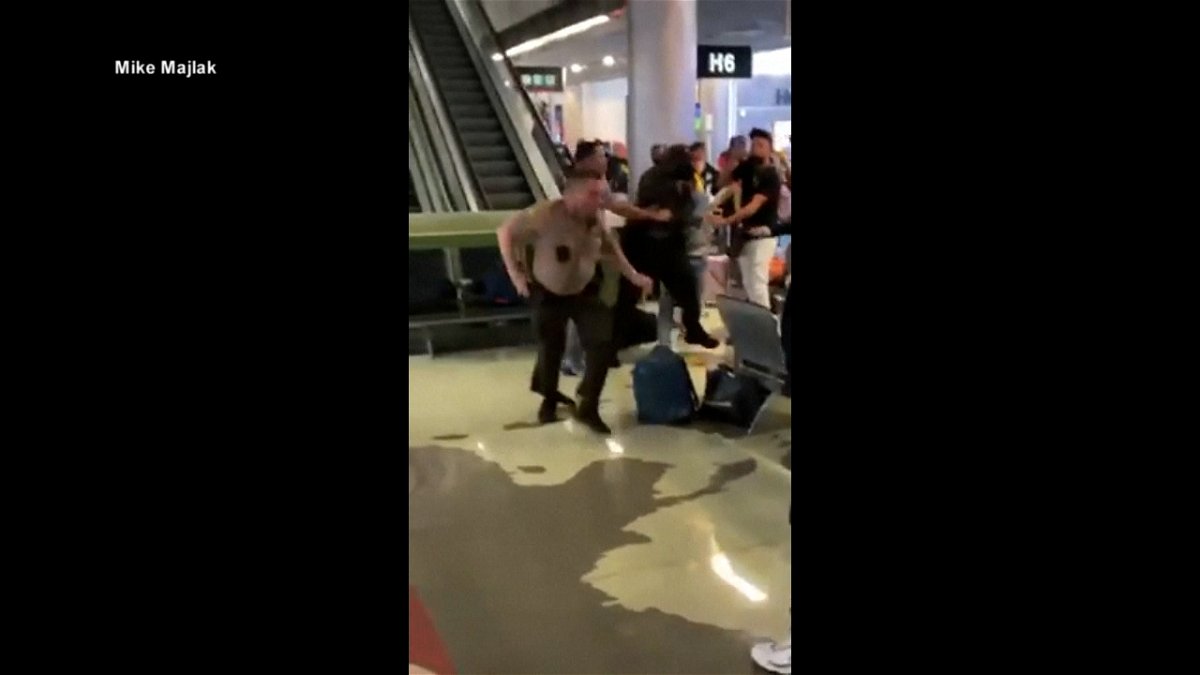
Security experts note that violence during embarkation is particularly disruptive because it occurs during the most congested part of the cruise experience. Any delay or chaos in the terminal can ripple through the entire schedule, affecting boarding times and departure windows.
Industry Trends: Is Cruise Violence Increasing?
The viral nature of the WATCH: Mayhem as cruise passengers erupt into wild brawl – The Nightly video has led to discussions about whether passenger behavior on cruises is deteriorating. While there is no centralized database tracking every cruise brawl, several factors contribute to the visibility of these events.
- Ubiquity of Smartphones: Almost every passenger now carries a camera, meaning incidents that would have gone unnoticed ten years ago are now broadcast globally in seconds.
- Post-Pandemic Travel Surge: The massive influx of “revenge travel” has put increased pressure on port infrastructure and crew staffing, potentially increasing stress levels during boarding.
- Alcohol Consumption: Many cruise packages include pre-boarding drinks or “welcome” cocktails, which some industry observers argue can lower inhibitions and lead to conflict in crowded terminals.
Despite the visibility of these brawls, Carnival and other major lines maintain that such incidents are rare compared to the millions of passengers they transport annually. However, the decision to ban 16 people at once serves as a public deterrent to other passengers.
For those interested in how cruise lines manage safety, a related explainer on cruise ship security protocols may provide further insight into the layers of protection used to prevent such mayhem.
Common Misconceptions About Cruise Bans
There are several common misunderstandings regarding how cruise lines handle violent passengers and the “Do Not Sail” lists.
Misconception 1: A ban from one line means a ban from all lines.
This is generally false. Carnival, Royal Caribbean, and Norwegian Cruise Line operate independent “Do Not Sail” lists. Being banned from Carnival does not automatically prevent a passenger from booking a trip with a competitor. However, in cases of extreme criminal activity, cruise lines may share information through industry security networks.
Misconception 2: Passengers can sue to get off the ban list.
While passengers can file lawsuits, they rarely succeed unless they can prove the ban was based on illegal discrimination (race, religion, etc.) rather than behavior. Since the Miami brawl was captured on video, the evidence of misconduct makes a legal challenge highly unlikely to succeed.
Misconception 3: The ban only applies to the specific ship.
A “Do Not Sail” list typically applies to the entire brand. If a passenger is banned by Carnival, they are banned from every ship in the Carnival fleet, not just the one they were attempting to board in Miami.
FAQs About the Miami Port Brawl and Cruise Bans
Who was banned after the Miami port fight?
According to USA Today and People.com, 16 passengers were banned by Carnival Cruise Line after participating in a large-scale brawl at the Miami port terminal.
What happens to someone on the “Do Not Sail” list?
Individuals on this list are permanently barred from booking any future cruises with that specific cruise line. Their personal information is flagged in the system to prevent any new reservations from being made.
Was anyone arrested during the brawl?
While the cruise line confirmed the bans, reports primarily focused on the administrative penalties. Whether local Miami police filed criminal charges depends on the port authority’s decision to pursue legal action beyond the corporate ban.
Can a passenger appeal a cruise line ban?
Passengers can contact the cruise line’s corporate office to request a review of the ban, but in cases of documented physical violence, these requests are seldom granted.
Why did the fight break out?
The specific cause of the altercation has not been officially released by Carnival Cruise Line or port authorities, though the incident was widely captured on video by other passengers.
The incident serves as a stark reminder of the strict conduct codes governing the cruise industry. As Carnival continues to manage the fallout from the Miami port brawl, the focus remains on maintaining a safe environment for the thousands of other passengers who share these vessels. The permanence of the “Do Not Sail” list ensures that those who jeopardize the safety of the community are removed from the ecosystem entirely.
