
Nepal Joins Iceland, Bhutan, New Zealand, Maldives, Singapore, Costa Rica and More Countries in Worldwide Tourism Reset, Overtourism Control, Visitor Spending Growth, Experience Driven Travel Shift, Cultural Heritage Protection and Long Term Destinat
Nepal has adopted a new tourism strategy focused on overtourism control and visitor spending growth, joining countries like Iceland, Bhutan, and Costa Rica in a worldwide tourism reset. According to Travel And Tour World, this shift prioritizes cultural heritage protection and experience-driven travel over mass visitor volume to ensure long-term destination sustainability.
Why is Nepal implementing a worldwide tourism reset?
Nepal is shifting its tourism model to move away from high-volume, low-spend arrivals toward a system that emphasizes quality and sustainability. According to Travel And Tour World, the country is joining a group of global destinations—including Iceland, Bhutan, New Zealand, the Maldives, Singapore, and Costa Rica—that are actively managing visitor numbers to prevent the degradation of natural and cultural sites.
The primary driver for this reset is the need for overtourism control. When visitor numbers exceed the carrying capacity of a location, the result is often environmental decay and a decline in the quality of life for local residents. By pivoting toward “experience-driven travel,” Nepal aims to attract visitors who stay longer and spend more per capita, reducing the physical strain on the land while maintaining or increasing economic revenue.
Key objectives of this strategic shift include:
- Overtourism Control: Implementing measures to limit crowding at peak sites.
- Visitor Spending Growth: Targeting high-value travelers rather than mass-market crowds.
- Cultural Heritage Protection: Ensuring that tourism does not erode the traditional customs and historical integrity of the region.
- Long-Term Destination Management: Creating a sustainable framework that preserves the environment for future generations.
Which countries are leading the global shift toward sustainable tourism?
Nepal is not acting in isolation. Travel And Tour World notes that several other nations have already implemented similar “reset” strategies to protect their borders and ecosystems. These countries often share similar characteristics: they possess unique, fragile environments or highly specific cultural identities that are threatened by unregulated mass tourism.

Among the leaders in this movement is Bhutan, which has long been a pioneer of the “high value, low volume” approach. According to Tempo.co English, Bhutan continues to refine this model by offering specialized products, such as five distinct wellness tours, designed to integrate health and spirituality into the visitor experience. This approach ensures that tourism supports the national philosophy of Gross National Happiness rather than prioritizing raw GDP growth through visitor numbers.
Other nations mentioned in the global reset include:
- Iceland: Known for managing surges in visitors to its volcanic landscapes through infrastructure investment and site-specific regulations.
- New Zealand: Focused on “regenerative tourism,” where the goal is to leave the destination better than it was found.
- Costa Rica: A global leader in eco-tourism that uses strict environmental protections to limit development.
- Maldives: Utilizing a “one island, one resort” model to naturally distribute visitor impact and maintain luxury exclusivity.
- Singapore: Balancing urban tourism with aggressive “City in Nature” initiatives to prevent urban overcrowding.
| Country | Primary Reset Focus | Strategy Example |
|---|---|---|
| Nepal | Sustainability & Spending | Experience-driven travel shift |
| Bhutan | High Value, Low Volume | Specialized wellness tours |
| Iceland | Environmental Protection | Overtourism control measures |
| Costa Rica | Eco-Preservation | Strict land-use regulations |
How does experience-driven travel differ from mass tourism?
The transition toward experience-driven travel represents a fundamental change in how destinations are marketed and consumed. Mass tourism typically focuses on “bucket list” checklists—visiting the most famous landmarks as quickly as possible, often resulting in crowded sites and minimal local economic benefit beyond basic services.
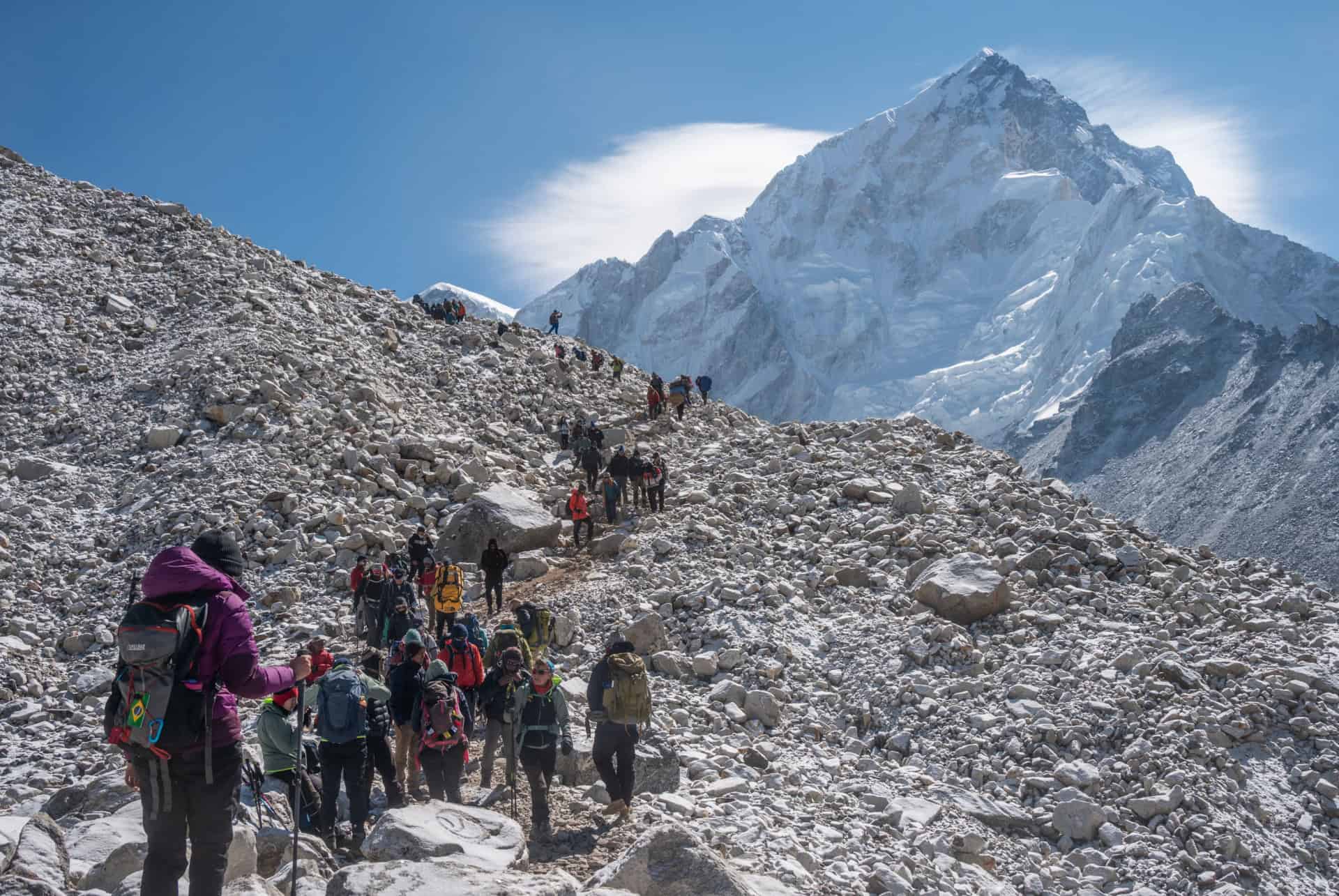
In contrast, the experience-driven model encourages deeper engagement. According to Travel And Tour World, this shift focuses on the quality of the interaction between the traveler and the destination. This might involve longer stays, participation in local cultural practices, or visiting lesser-known regions to spread the economic benefit and reduce pressure on “hotspots.”
“The goal is to transition from a volume-based economy to a value-based economy, where the success of tourism is measured by the health of the environment and the satisfaction of the local community, not just the number of arrivals.”
For Nepal, this could mean moving beyond the traditional trekking routes and focusing on immersive cultural experiences or high-end wellness retreats similar to the models seen in Bhutan. By offering unique, high-cost experiences, Nepal can generate the same or higher revenue with fewer people, directly addressing the issue of overtourism.
What are the implications for cultural heritage protection?
Cultural heritage protection is a cornerstone of the worldwide tourism reset. When destinations prioritize volume, cultural sites often become commodified, and local traditions are sometimes performed as spectacles rather than lived experiences. Travel And Tour World highlights that by controlling visitor flow, countries can better protect the sanctity of their heritage sites.
In Nepal, where ancient temples and diverse ethnic traditions are central to the national identity, this protection is critical. Unregulated crowds can lead to physical wear and tear on fragile monuments and the displacement of local residents. A managed approach allows for the implementation of quotas or timed entries, ensuring that the visitor experience remains respectful and the site remains preserved.
This strategy also encourages the development of “slow tourism.” By incentivizing visitors to stay longer in one area, destinations can foster more authentic exchanges between tourists and locals, which helps preserve living culture rather than turning it into a tourist attraction.
How does the “High Value, Low Volume” model work in practice?
The “high value, low volume” model is most evident in the strategies of Bhutan and the Maldives. Instead of competing on price to attract the most visitors, these nations set a higher barrier to entry, often through taxes, daily fees, or luxury pricing.
According to Tempo.co English, Bhutan’s focus on wellness tours is a prime example of this. By creating high-end, curated experiences that focus on mental and physical well-being, Bhutan attracts a demographic of travelers who are willing to pay a premium for exclusivity and authenticity. This revenue is then reinvested into the country’s infrastructure, healthcare, and environmental conservation.
The practical application of this model generally involves:
- Sustainable Development Fees (SDF): Charging a daily fee that goes directly into national conservation and development funds.
- Permit Systems: Limiting the number of people allowed in sensitive areas per day.
- Curated Itineraries: Requiring visitors to use licensed guides, which ensures safety and provides guaranteed income for local professionals.
- Diversification of Offerings: Moving away from a single “draw” (like Mount Everest in Nepal) toward a variety of niche experiences, such as wellness, birdwatching, or culinary tours.
What are the risks and challenges of a tourism reset?
While the benefits of a tourism reset are clear for the environment and cultural sites, the transition presents economic challenges. The most immediate risk is the potential loss of revenue from the mass-market sector. Small-scale vendors, budget hostels, and low-cost tour operators who rely on high volumes of visitors may see a decline in business during the shift.
Furthermore, there is the risk of “elitism” in travel. By raising the cost of entry to favor high-spending visitors, some argue that travel becomes a luxury available only to the wealthy, excluding those from lower-income backgrounds. This creates a tension between the need for sustainability and the ideal of travel as a universal human experience.
To mitigate these risks, governments must provide support for local businesses to pivot their services. For example, a budget guesthouse might be encouraged to upgrade its facilities to attract the “experience-driven” traveler who is willing to pay more for authenticity and comfort. According to the frameworks discussed by Travel And Tour World, the goal is not to stop tourism, but to optimize it for long-term viability.
Common Misconceptions About Tourism Resets
There are several common misunderstandings regarding the shift toward sustainable tourism. Clarifying these is essential for travelers and industry stakeholders:
- Misconception: “A tourism reset means the country is closing its borders.”
Correction: It does not mean closing borders, but rather managing how people enter and where they go to prevent damage. - Misconception: “This is only about making more money from rich tourists.”
Correction: While spending growth is a goal, the primary drivers are environmental preservation and the protection of local quality of life. - Misconception: “Sustainable tourism is less exciting than mass tourism.”
Correction: Experience-driven travel typically offers deeper, more authentic, and more memorable interactions than the superficial “checklist” approach of mass tourism.
How will this impact the future of global travel?
The move by Nepal and its peers suggests a broader trend in the global travel industry. The era of “growth at any cost” is being replaced by a philosophy of “regenerative travel.” This means that the success of a destination will no longer be measured by the number of arrivals in a year, but by the health of its forests, the purity of its water, and the happiness of its citizens.

As more countries adopt these controls, travelers will likely see a rise in:
- Booking Requirements: More destinations will require advance permits or registrations to enter sensitive areas.
- Dynamic Pricing: Fees may vary based on the season or the specific site to discourage peak-time crowding.
- Specialized Packages: A shift toward wellness, education, and conservation-focused tours, as seen in Bhutan’s current offerings.
For the travel industry, this necessitates a shift in marketing. Agencies will need to move away from promoting “cheap getaways” and instead sell the value of unique, sustainable, and transformative experiences. This alignment of economic incentives with environmental protection is the core of the worldwide tourism reset.
Frequently Asked Questions
What is a “worldwide tourism reset”?
A worldwide tourism reset is a strategic shift where countries move away from mass tourism (high volume, low spend) toward a sustainable model that prioritizes overtourism control, environmental protection, and higher spending per visitor.
Which countries are participating in this shift?
According to Travel And Tour World, Nepal has joined a group including Iceland, Bhutan, New Zealand, the Maldives, Singapore, and Costa Rica in adopting these sustainable tourism strategies.
How does this affect the average traveler?
Travelers may encounter more regulations, such as permits or higher entry fees, but they will likely find less crowded sites and more authentic, high-quality experiences focused on local culture and nature.
Why is Bhutan mentioned as a model for this?
Bhutan has long practiced a “high value, low volume” policy. As reported by Tempo.co English, they continue to innovate this by offering specialized wellness tours that prioritize quality of experience over the quantity of tourists.
Will this make travel more expensive?
In many cases, yes. By targeting “visitor spending growth,” destinations often implement fees or encourage luxury services to reduce the total number of people while maintaining economic revenue.
For those interested in how these policies are evolving, a related explainer on regenerative tourism provides more detail on the difference between sustainable and regenerative travel models.
