
KBS Drama ‘Love is Coming’ Premieres with Heart-Wrenching Romance – 조선일보
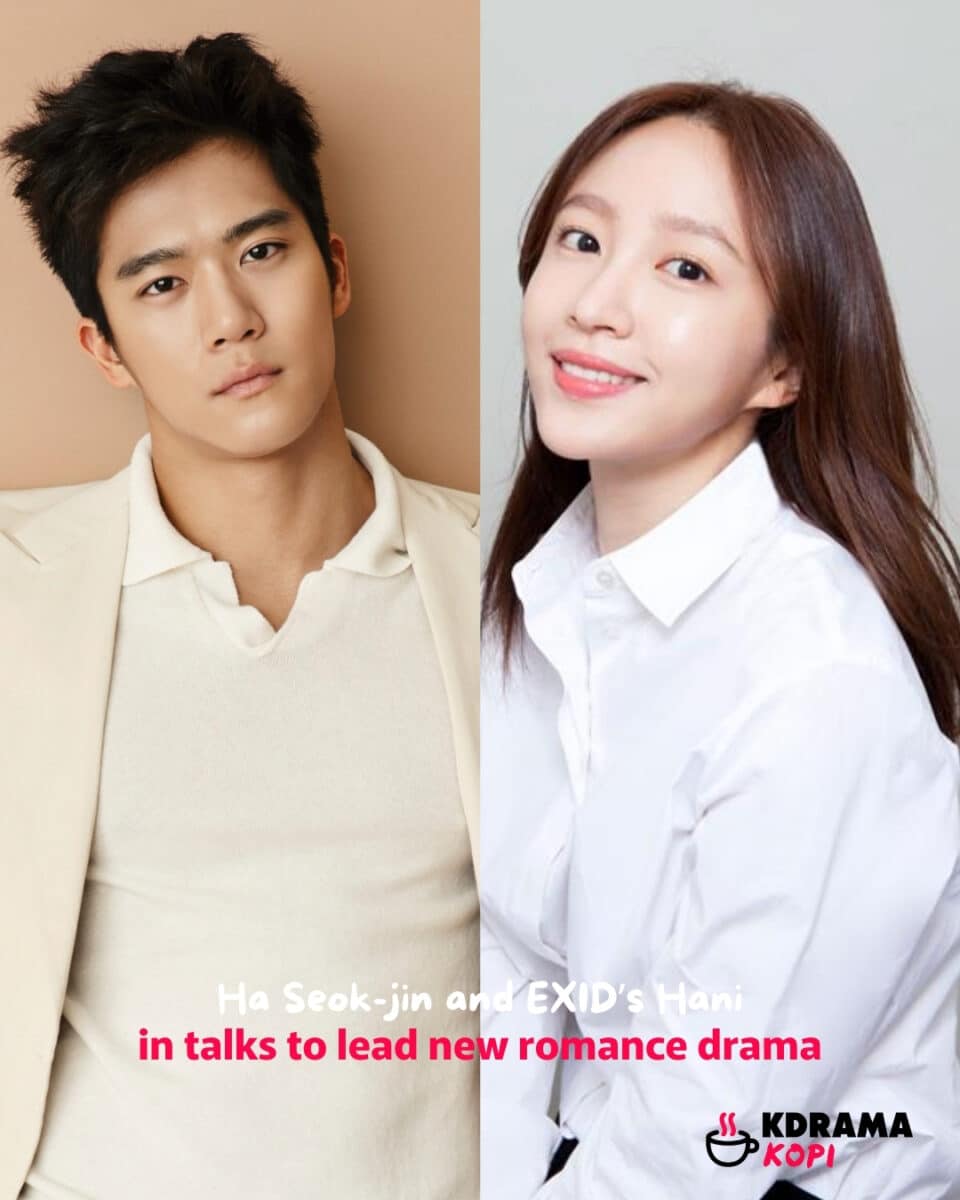
KBS has launched the new drama ‘Love is Coming,’ starring Ha Seok-jin and Ahn Hee-yeon (Hani) in a story defined by a heart-wrenching romance and family sacrifice. According to reports from Chosun Ilbo and starnews, the plot centers on a couple whose relationship is tested by an eight-year character evolution and the female lead’s decision to prioritize her family over her romantic interests.
What is the core plot of ‘Love is Coming’?
The series opens with a narrative focused on the emotional toll of long-term longing and external pressure. According to starnews, a central conflict emerges when the female lead chooses to give up her love for the sake of her family. This decision sets the stage for the “heart-wrenching” tone described by Chosun Ilbo in its coverage of the premiere.
The drama utilizes a non-linear or extended timeline to explore how the protagonists change over nearly a decade. Chosun Ilbo specifically notes a focus on Ha Seok-jin’s character, detailing an eight-year evolution that shapes his perspective and emotional maturity throughout the series.
Key narrative pillars include:
- Familial Obligation: The tension between individual happiness and duty to kin.
- Temporal Progression: A character arc spanning eight years to show growth and loss.
- Pure Love: The depiction of a “pure love couple,” as characterized by starnews, who maintain an emotional bond despite separation.
How does Ha Seok-jin’s role drive the narrative?
Ha Seok-jin portrays a character whose journey is defined by time and transformation. Chosun Ilbo reports that the drama emphasizes an eight-year evolution for his role, suggesting that the character’s growth is a primary engine for the plot’s emotional stakes.
This long-term character development allows the show to contrast the idealism of early romance with the complexities of adult life. By tracking a character over nearly a decade, the production highlights the persistence of affection despite the intervening years and the changes in the characters’ social or emotional standings.
The interaction between Ha Seok-jin and his co-star is framed by starnews as the birth of a “pure love couple,” implying a relationship rooted in sincerity and innocence, which contrasts with the “heart-wrenching” obstacles the couple faces.
Why is Hani’s return to acting significant?
Ahn Hee-yeon, known professionally as Hani, returns to the small screen in ‘Love is Coming’ after a three-year hiatus from acting. In a statement reported by Maeil Business Newspaper, Hani noted that she “gathered the courage to give it my best,” indicating the personal and professional pressure associated with her return to the industry.
Hani’s absence from television dramas for three years creates a specific point of interest for viewers and critics. Her role in this series requires her to portray a woman torn between romantic love and family responsibility, a performance that aligns with the “heart-wrenching” themes highlighted by Chosun Ilbo.
The transition of idol-actors back into serious dramatic roles often involves a strategic choice of project to redefine their image. By selecting a role that involves significant sacrifice and emotional depth, Hani is positioning herself within the traditional melodrama genre.
| Actor | Key Narrative Element | Source of Detail |
|---|---|---|
| Ha Seok-jin | 8-Year Character Evolution | Chosun Ilbo |
| Ahn Hee-yeon (Hani) | 3-Year Acting Hiatus / Family Sacrifice | Maeil Business / starnews |
| Lead Couple | “Pure Love Couple” Dynamic | starnews |
The thematic impact of sacrificing love for family
The decision of the female lead to abandon her romantic partner for her family is a recurring trope in Korean melodramas, but it serves a specific function in ‘Love is Coming.’ According to starnews, this sacrifice is the catalyst for the drama’s emotional weight.
This plot point explores the social and cultural expectations placed on women within the family unit. When a character gives up love for family, the narrative typically shifts from a story of courtship to a story of endurance and regret. This transition supports the “heart-wrenching” description provided by Chosun Ilbo.
The conflict creates a dichotomy between two types of love: eros (romantic love) and storge (familial love). The drama examines the psychological cost of choosing the latter over the former, particularly when the romantic bond is described as “pure.”
Industry context: KBS and the romance genre
KBS has a long history of producing high-emotion romances and family-centric dramas. ‘Love is Coming’ fits into this tradition by blending personal longing with societal obligations. The focus on a multi-year evolution (eight years in this case) is a technique used to increase the perceived value of the eventual reunion or resolution.
The casting of a seasoned actor like Ha Seok-jin alongside a returning idol-actor like Hani is a common industry strategy to attract both a loyal drama-watching demographic and a younger, global fanbase. This balance is critical for the viewership metrics of national broadcasters like KBS.
“I gathered the courage to give it my best.” — Ahn Hee-yeon (Hani), as reported by Maeil Business Newspaper regarding her return to acting.
Comparing the framing of ‘Love is Coming’ across outlets
Different media outlets have emphasized different aspects of the premiere. Chosun Ilbo focuses heavily on the structural elements of the story—specifically the “heart-wrenching” nature of the romance and the temporal scale of Ha Seok-jin’s character growth. This suggests a focus on the dramatic architecture and the acting challenge.
In contrast, starnews focuses on the chemistry and the specific plot twists, such as the “pure love couple” label and the specific act of sacrificing love for family. Their reporting leans toward the emotional appeal and the “shipping” potential of the lead pair.
Maeil Business Newspaper provides a more personal angle, centering on Hani’s professional journey and the internal struggle she faced before returning to the screen. This frames the drama not just as a piece of entertainment, but as a significant milestone in an artist’s career.
These differing perspectives show that ‘Love is Coming’ is being marketed as both a traditional melodrama and a comeback vehicle for one of its lead stars.
Common misconceptions about ‘Love is Coming’
One potential misconception is that the drama is a standard “rom-com” (romantic comedy). However, the terminology used by sources—”heart-wrenching” (Chosun Ilbo) and “gives up love for her family” (starnews)—indicates that the series leans more toward the melodrama or “tear-jerker” genre. The presence of an eight-year gap in the characters’ lives further suggests a slower, more contemplative pace than a typical comedy.
Another misconception may be that Hani’s return is a simple transition. The report from Maeil Business Newspaper, mentioning her need to “gather courage,” suggests that her hiatus was not merely a break but a period of significant deliberation regarding her acting career.
Frequently Asked Questions
Who are the lead actors in ‘Love is Coming’?
The drama stars Ha Seok-jin and Ahn Hee-yeon, better known as Hani. According to starnews, they are portrayed as a “pure love couple” within the series.
What is the main conflict in the plot?
According to starnews, a primary conflict involves the female lead choosing to sacrifice her romantic relationship to support or prioritize her family, leading to a heart-wrenching narrative.
How long was Hani’s break from acting?
Maeil Business Newspaper reports that Hani is returning to the small screen after a three-year hiatus.
What is unique about Ha Seok-jin’s role in this drama?
Chosun Ilbo highlights that his character undergoes a significant evolution over an eight-year period, which serves as a core element of the show’s storytelling.
Which network is airing ‘Love is Coming’?
The drama is a KBS production.
For those interested in the broader trends of Korean television, a related explainer on K-drama genre shifts may provide more context on why “heart-wrenching” melodramas remain popular alongside modern rom-coms.
