Thousands Protest in France Over Schoolgirl’s Murder and Police Failures
In a profound display of grief and frustration, thousands of citizens gathered in southern France to honor the memory of an 11-year-old girl whose murder has ignited national scrutiny over systemic failures within the justice system. The protest, held in the village of Fleurance, followed revelations that the suspected perpetrator had been flagged by authorities months prior but was never formally questioned about alleged child sexual abuse.
What Happened?
The tragedy unfolded on May 29 when Lyhanna, an 11-year-old student, was last seen entering a grey vehicle driven by Jérôme Barella, a school cleaner and father of two. Her body was discovered seven days later in a disused grain silo approximately 15 kilometers from where she vanished. The circumstances of her death have sparked outrage, as it emerged that Barella had been previously accused of rape and was under police surveillance since 2017.
According to investigative reports, a series of procedural delays prevented authorities from summoning Barella for questioning. These administrative lags, which spanned multiple years, have been criticized as emblematic of broader inefficiencies within the French legal framework. The case has become a focal point for debates about police accountability and the prioritization of child protection measures.
Who Is Involved?
The central figure in the case is Jérôme Barella, whose criminal history included allegations of sexual misconduct. While the exact nature of these accusations remains unspecified in public records, the fact that he was placed on the police radar underscores the failures in follow-up action. Barella is currently held in custody, though his legal status and potential charges have not been fully detailed in the available sources.
The girl’s parents, Martial Bernard and Charly Rameau, played a pivotal role in organizing the protest. They issued a public plea for political leaders to refrain from participating in the march, emphasizing the need for a focus on systemic reform rather than political spectacle. Their decision to remain central to the event highlights the personal toll of the tragedy and the community’s demand for justice.
Timeline of Key Events
- 2017: Jérôme Barella is flagged by authorities due to prior allegations of child sexual abuse.
- May 29, 2026: Lyhanna is last seen entering Barella’s vehicle in Fleurance.
- June 5, 2026: Her body is found in a disused grain silo near the town.
- June 7, 2026: Thousands participate in a silent march in her memory, demanding accountability.
- Recent Weeks: French President Emmanuel Macron acknowledges systemic flaws in the justice process.
Reactions and National Implications
The incident has triggered a national reckoning, with citizens and officials alike questioning the efficacy of existing protocols. President Macron addressed the controversy, stating that the justice system had “exposed unacceptable flaws” and calling for an official investigation to determine “responsibilities.” His remarks reflect a broader political pressure to address institutional shortcomings.
Legal experts have pointed to the case as a critical example of the challenges in balancing procedural rigor with timely action. “The delay in questioning Barella highlights a critical gap between suspicion and formal investigation,” noted a legal analyst quoted in the Guardian. “Such lapses can have irreversible consequences.”
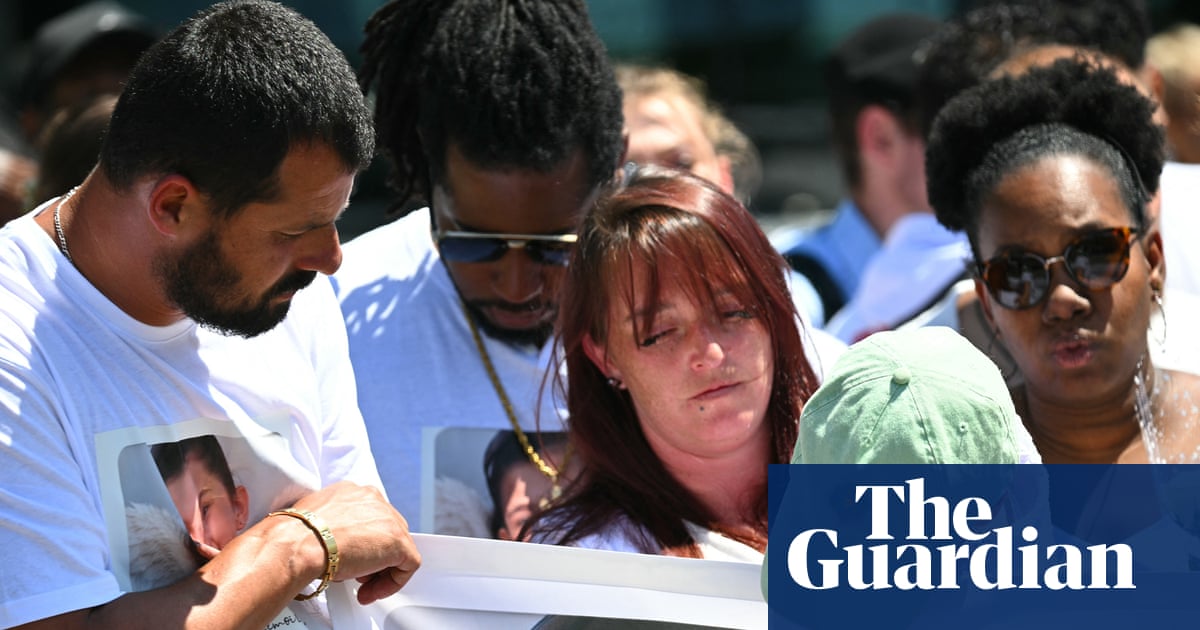
The protests have also drawn attention to the emotional and psychological impact on the community. Attendees, including children, wore white shirts bearing Lyhanna’s portrait, symbolizing both mourning and a call for change. The event’s emphasis on unity and resilience underscores the deep societal resonance of the issue.
Why This Matters
This case has become a litmus test for the French justice system’s ability to protect vulnerable populations. The failure to act on prior allegations raises urgent questions about resource allocation, inter-agency coordination, and the prioritization of high-risk cases. Advocacy groups have called for reforms, including increased funding for child protection units and stricter guidelines for handling allegations of sexual abuse.

Historically, similar cases have prompted legislative changes. For instance, the 2019 “Mai 68” reforms aimed to streamline judicial procedures, but critics argue that implementation has lagged. The current crisis may reignite calls for such overhauls, particularly in light of the public’s demand for transparency and accountability.
What’s Next?
As the investigation unfolds, the focus will shift to the legal proceedings against Barella and the outcomes of the official inquiry into police conduct. The government has pledged to review its protocols, though the timeline and scope of these reforms remain unclear. Meanwhile, the protest has galvanized discussions about the role of civic engagement in driving systemic change.
Frequently Asked Questions
Why did the police fail to act on Jérôme Barella’s prior allegations?
According to the Guardian, a series of procedural delays prevented authorities from formally questioning Barella. The exact reasons for these delays are under investigation, but the case has highlighted gaps in the system’s responsiveness to high-risk individuals.
What is the current legal status of the suspect?
Jérôme Barella is currently in custody. While the specific charges have not been detailed in the available sources, his arrest follows the discovery of Lyhanna’s body and the subsequent investigation.
