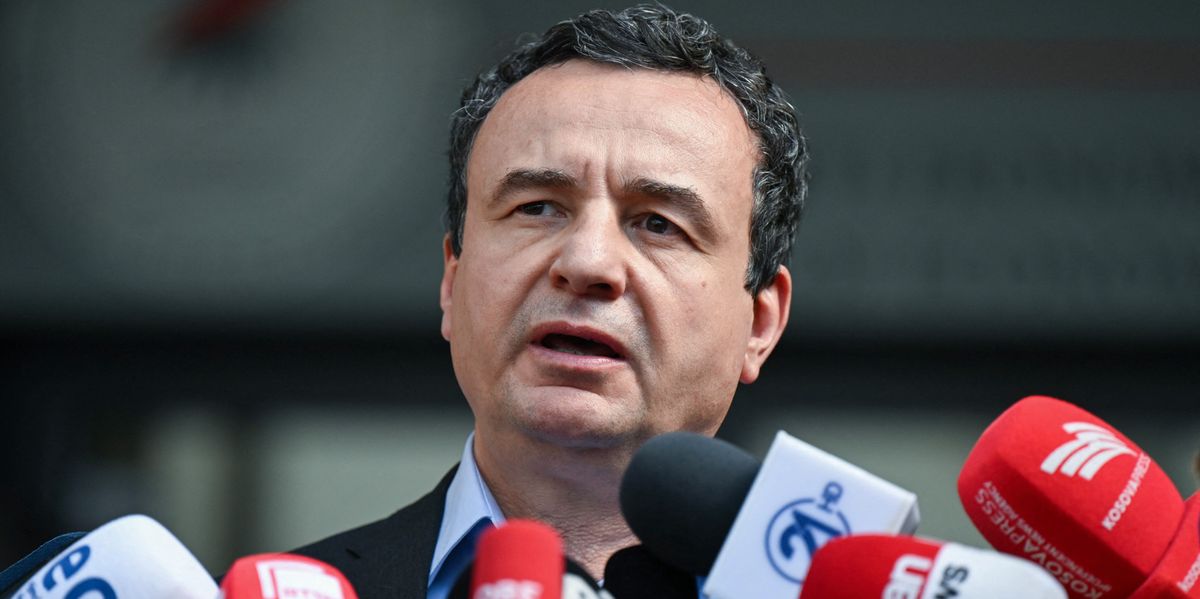
The Kosovo legislative elections held on June 7, 2026, marked a pivotal moment in the region’s political landscape as the party led by Prime Minister Albin Kurti emerged as the top vote-getter but failed to secure an absolute majority, deepening the country’s protracted political deadlock. The results underscore the challenges facing Kosovo’s government, which has struggled to navigate a complex web of ethnic divisions, international relations, and domestic governance since its 2008 declaration of independence.
Electoral Outcomes and Political Stalemate
Kurti’s Vetëvendosje (Self-Determination) movement, which has been a dominant force in Kosovo politics, secured the highest number of votes in the snap elections. However, the party fell short of the 51% threshold required to form a government unilaterally, forcing potential coalitions among smaller parties. This outcome has left Kosovo’s political class in a state of uncertainty, with no clear path to a stable majority and no immediate resolution to the country’s institutional crisis.

The elections were called after the collapse of a coalition government in early 2026, which had been plagued by infighting and disputes over key issues such as judicial reforms and EU integration. Analysts note that the lack of a decisive majority could further entrench factionalism, prolonging the country’s reliance on temporary administrations and delaying critical policy decisions.
Regional and International Implications
Kosovo’s political instability has broader implications for the Western Balkans, a region still recovering from the aftermath of the 1990s conflicts. The country’s aspirations to join the European Union and NATO remain contingent on resolving internal divisions and demonstrating institutional cohesion. The current impasse risks undermining confidence among international partners, who have consistently emphasized the need for political unity as a prerequisite for further integration.
The situation also highlights the delicate balance between Kosovo’s government and its neighbors. Serbia, which does not recognize Kosovo’s independence, has maintained a cautious stance, while the EU and the United States have urged both sides to prioritize dialogue over confrontation. The failure of Kurti’s party to secure a majority may complicate these efforts, as smaller parties with divergent agendas could exert influence over policy direction.
What’s Next?
With no clear majority, political leaders are expected to engage in prolonged negotiations to form a coalition. The process could take weeks or even months, during which Kosovo’s governance may remain fragmented. The outcome will depend on whether parties can overcome historical grievances and align on key priorities, including economic recovery and EU accession. For now, the country remains in a state of political limbo, with its future prospects hanging in the balance.
