
India’s Strategic Push to Revitalize the Colombo Security Conclave Amid Rising Chinese Influence
In a significant geopolitical move, India is intensifying its efforts to formalize the Colombo Security Conclave (CSC) by establishing a permanent secretariat in Sri Lanka, as regional dynamics shift under the shadow of China’s expanding influence. This initiative underscores New Delhi’s broader strategy to strengthen South Asian security cooperation while countering Beijing’s growing footprint in the Indian Ocean.
The Colombo Security Conclave: A Strategic Initiative
The Colombo Security Conclave, launched in 2011, is a multilateral platform aimed at enhancing maritime security and combating transnational threats such as piracy, terrorism, and illegal fishing in the Indian Ocean. Initially involving India, Sri Lanka, the Maldives, and the Seychelles, the group has since expanded its scope to include broader regional collaboration. The proposed permanent secretariat in Sri Lanka represents a pivotal step toward institutionalizing the CSC, which has historically relied on ad hoc coordination.

Experts note that the CSC’s focus on maritime security aligns with India’s strategic interests in maintaining freedom of navigation and countering activities that could destabilize the region. “The need for a structured framework to address common security challenges has become more urgent as China’s naval presence in the Indian Ocean grows,” said a senior analyst at the Institute for Defense Studies and Analyses (IDSA).
India’s Initiative for a Permanent Secretariat in Sri Lanka
India’s push to establish a permanent secretariat in Sri Lanka reflects its desire to consolidate leadership in regional security architecture. The move comes amid heightened tensions over China’s Belt and Road Initiative (BRI), which has seen Beijing deepen economic and military ties with several South Asian and Indian Ocean nations. Sri Lanka, in particular, has become a focal point of this competition, with its Hambantota port leased to a Chinese company in 2017, raising concerns about strategic vulnerabilities.
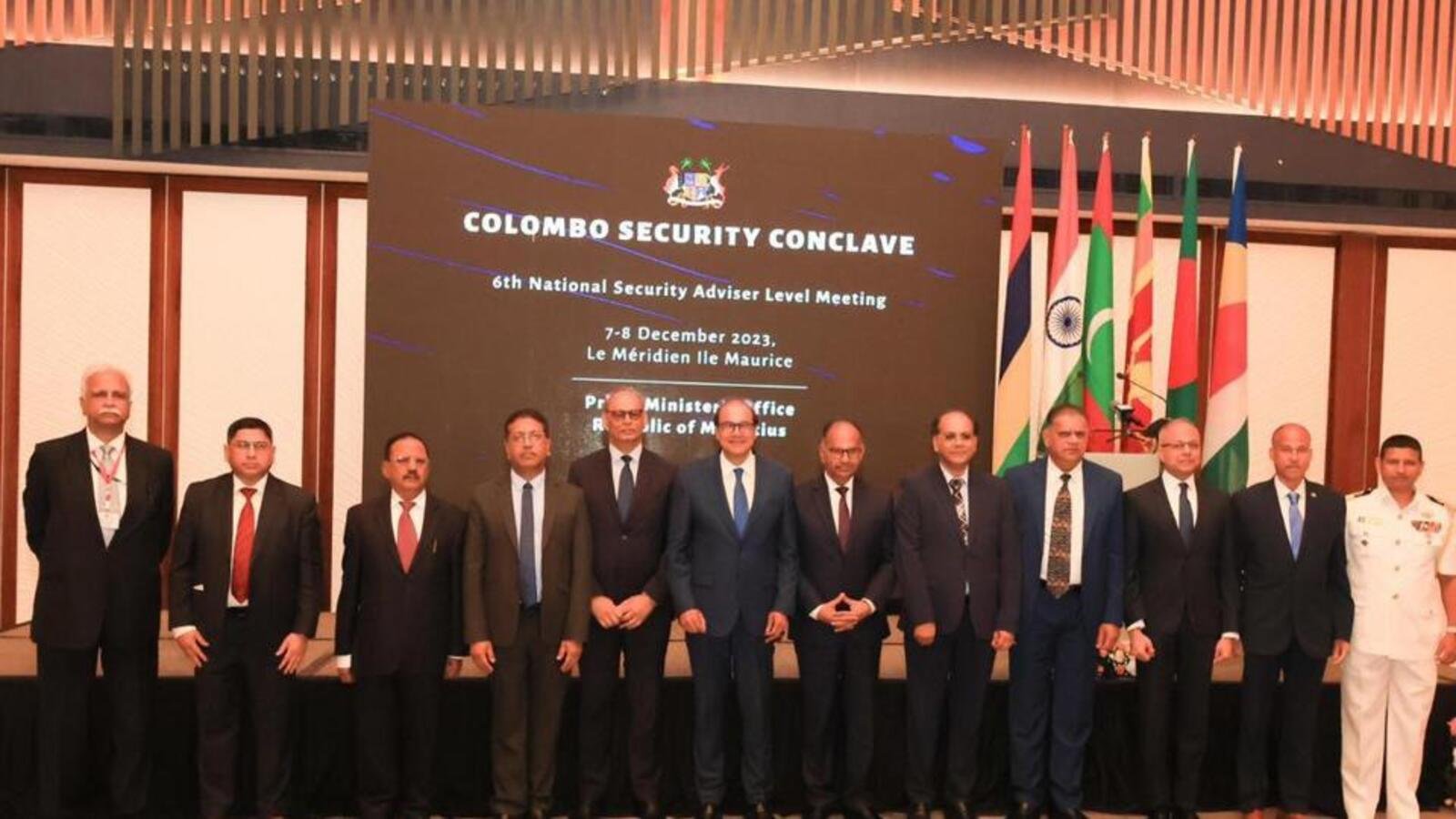
The secretariat, if operational, would serve as a central hub for coordination, intelligence sharing, and joint operations among member states. “A permanent structure would allow the CSC to respond more swiftly to emerging threats and foster a sense of collective responsibility,” a government official stated, citing the need for sustained engagement in the face of China’s assertive policies.
Sri Lanka, which hosts the secretariat, has expressed support for the initiative, emphasizing its role in enhancing regional stability. However, the country’s delicate balance between India and China remains a critical factor. “Sri Lanka must navigate its relationships carefully, ensuring that security cooperation with India does not alienate other partners,” observed a political commentator from Colombo.
Geopolitical Context: China’s Growing Influence in the Region
China’s expanding presence in South Asia has been a key driver of India’s renewed focus
