
Regional cleaning companies across Lithuania are forming strategic alliances to prioritize technological investments, signaling a shift in how municipal services and public hygiene are managed. According to local media reports, the collaboration aims to enhance operational efficiency and address growing demands for sustainable practices in urban and rural areas alike.
How the Technology Works
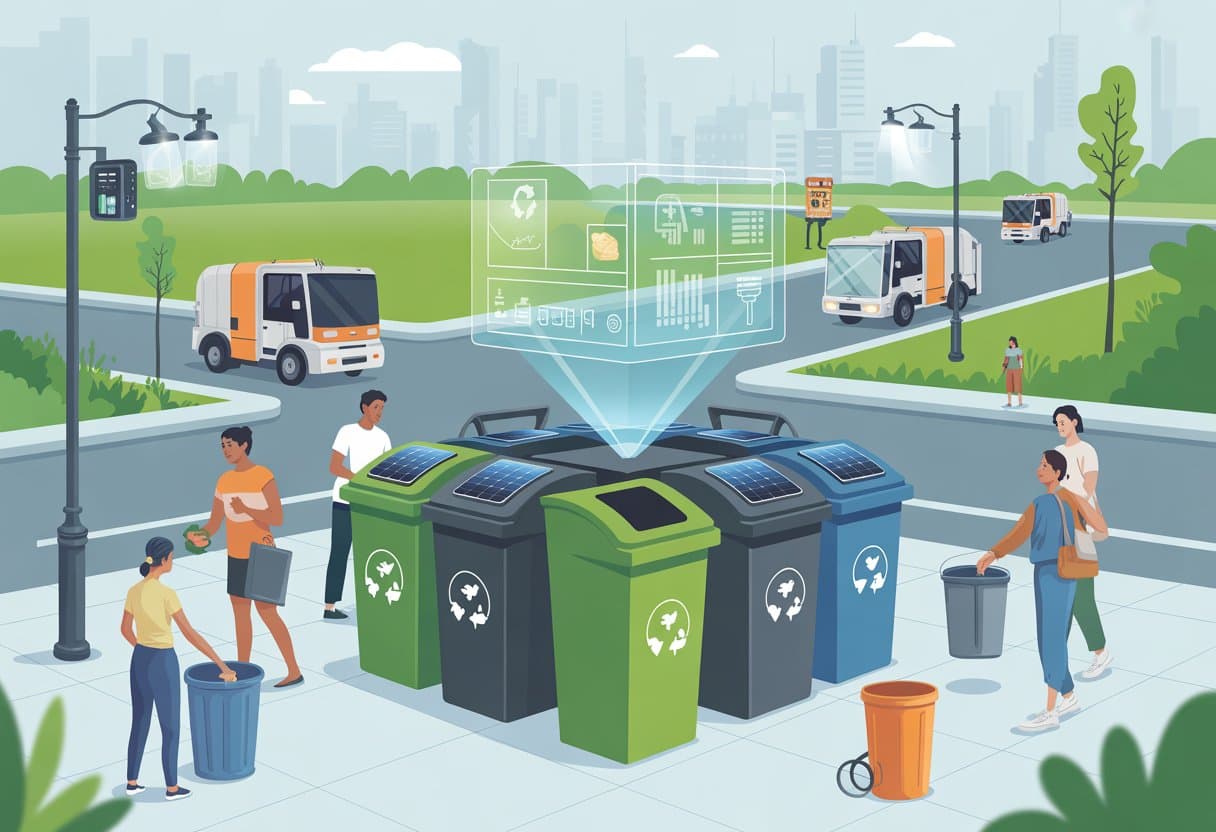
The initiative involves the integration of smart cleaning systems, including IoT-enabled monitoring devices and data analytics platforms. These tools allow firms to track resource usage, optimize workforce deployment, and respond to sanitation needs in real time. For instance, sensors embedded in public facilities can alert maintenance teams to issues such as waste accumulation or equipment malfunctions, reducing response times and improving service quality.
Context and Market Trends
This move aligns with broader trends in the cleaning industry, where digital transformation is becoming a competitive necessity. A 2025 industry analysis highlighted that companies adopting technology saw a 30% improvement in operational costs and a 25% increase in customer satisfaction. The regional firms’ alliance reflects a response to these pressures, as well as growing public expectations for transparency and efficiency in municipal services.
Impacts on Communities and Operations
Local authorities and residents stand to benefit from the upgrades. The use of data-driven approaches could lead to more predictable maintenance schedules and reduced disruptions in public spaces. However, the transition also raises questions about workforce adaptation, as traditional roles may evolve to focus on managing and interpreting digital systems rather than manual tasks.
What’s Next for the Initiative
The firms plan to pilot the technology in several municipalities by late 2026, with a focus on areas with high foot traffic and complex sanitation needs. If successful, the model could expand to additional regions, setting a precedent for how public services leverage technology to meet modern challenges.
