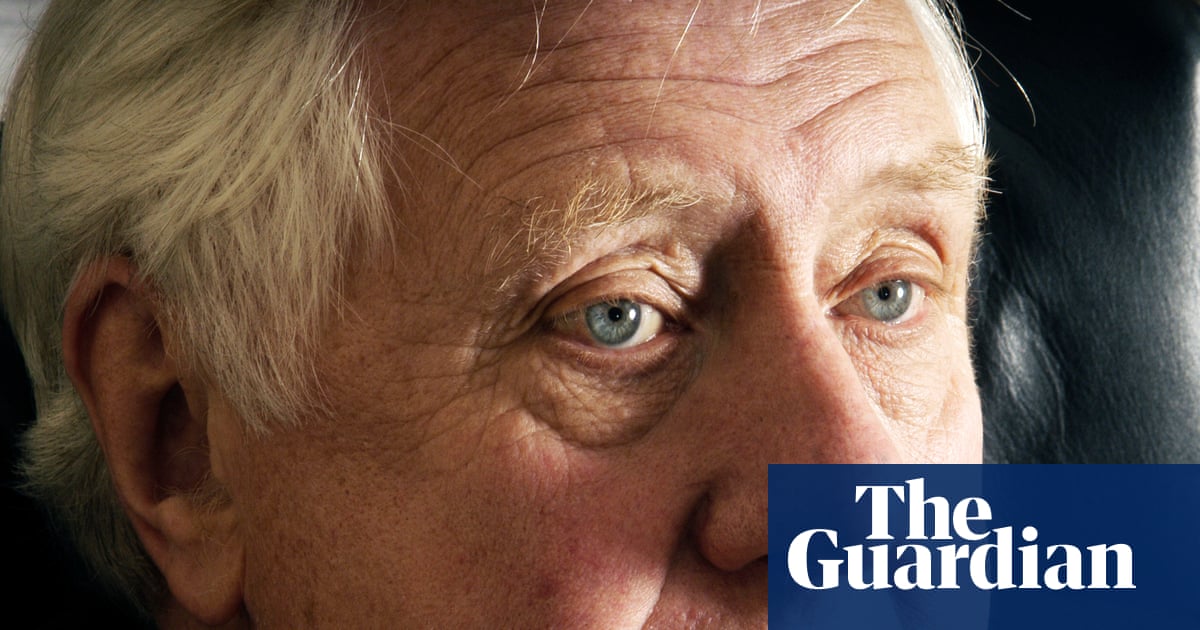
‘A Giant of the Labour Movement’: Roy Hattersley, Former Deputy Leader, Dies at 93
Roy Hattersley, a pivotal figure in the modernization of the UK’s Labour Party and a longtime advocate for social justice, has died at the age of 93. The former deputy leader and prominent politician left a lasting legacy in British politics, shaping the party’s direction during a transformative era. His passing marks the end of a career defined by progressive policies, parliamentary service, and a commitment to workers’ rights.
Who Was Roy Hattersley?
Roy Hattersley was born in 1929 in Manchester and rose to prominence as a Labour Party member in the 1960s. He served as a Member of Parliament for Birmingham Edgbaston from 1966 to 1997, becoming one of the party’s most influential voices on economic and social issues. His career spanned decades, during which he held multiple ministerial roles, including Secretary of State for Employment and Productivity under Prime Minister James Callaghan in the 1970s.
Hattersley’s political philosophy emphasized pragmatism and reform. He was a key architect of the Labour Party’s efforts to modernize its image and policies, particularly during the 1980s and 1990s. His work helped position the party to compete more effectively in an era of shifting political landscapes and economic challenges.
Key Contributions to the Labour Movement
One of Hattersley’s most significant roles was as deputy leader of the Labour Party from 1980 to 1983, a period marked by internal debates over the party’s future. He championed initiatives to broaden the Labour electorate, including policies aimed at addressing inequality and expanding access to public services. His advocacy for a more inclusive party resonated with many members and helped lay the groundwork for later reforms.
During his time as a minister, Hattersley focused on labor rights and economic stability. He supported measures to strengthen trade unions and improve working conditions, aligning with his lifelong commitment to workers’ welfare. His tenure also coincided with the UK’s economic struggles in the 1970s, including the “Winter of Discontent,” a period of widespread industrial action that highlighted the challenges of balancing labor demands with economic constraints.
Legacy and Impact
Political analysts and contemporaries have described Hattersley as a “tireless advocate for social progress.” His influence extended beyond his immediate roles, as he mentored younger politicians and contributed to the party’s strategic thinking. Many credit his efforts with helping the Labour Party adapt to the post-Thatcher era, a time when the party faced significant challenges in regaining public support.
“Roy Hattersley was a bridge between the traditional Labour values of the past and the modern, pragmatic approach needed for the future,” said a former colleague. “His ability to reconcile ideological principles with practical governance was a rare gift.”
Early Life and Political Beginnings
Hattersley’s early life was shaped by the social and economic conditions of postwar Britain. He attended the University of Manchester, where he developed an interest in politics and social reform. His career in public service began in the 1960s, a time when the Labour Party was navigating the complexities of a rapidly changing society.
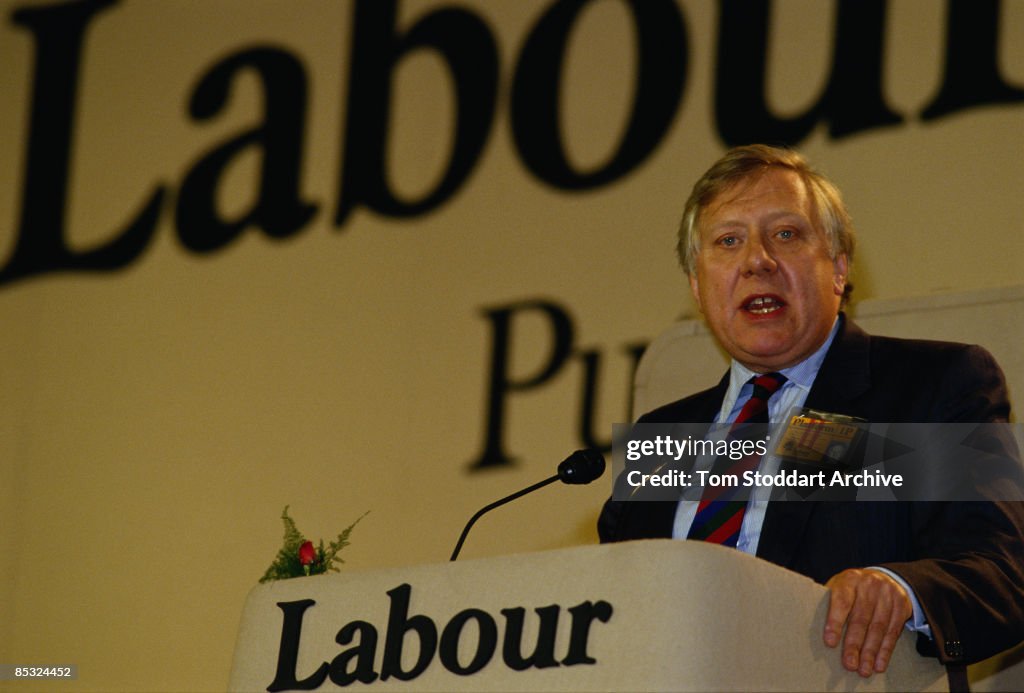
His election to Parliament in 1966 marked the start of a long and influential career. Over the years, he became known for his eloquence and ability to articulate complex policies in accessible terms. This skill made him a trusted voice within the party and a respected figure in the broader political arena.
Reactions to His Passing
News of Hattersley’s death has prompted tributes from across the political spectrum. Labour Party leaders have highlighted his contributions to the party’s evolution, while opposition figures have acknowledged his role in shaping British politics. Many have also reflected on his personal qualities, describing him as a principled and compassionate leader.
“Roy Hattersley’s legacy is one of integrity and vision,” said a Labour spokesperson. “His work continues to inspire those committed to building a fairer society.”
What Happened in His Final Years?
In his later years, Hattersley remained active in public life, offering commentary on political developments and advocating for causes he cared about. He continued to write and speak on issues related to labor rights, economic justice, and the importance of a strong welfare state. His insights were frequently sought by journalists and researchers examining the history of the Labour Party.
Despite his advancing age, Hattersley maintained a sharp mind and a keen interest in current events. He was known for his generosity in mentoring younger politicians and for his willingness to engage in spirited debates on policy matters.
Why His Death Matters
The death of Roy Hattersley is significant not only for the Labour Party but for the broader political landscape of the UK. His career spanned a period of profound change, and his contributions helped shape the party’s response to economic and social challenges. As the Labour Party continues to navigate its role in contemporary politics, Hattersley’s legacy serves as a reminder of the importance of adaptability and principled leadership.
His passing also underscores the loss of a generation of politicians who played a critical role in the postwar era. For many, Hattersley represents the intersection of idealism and pragmatism, a balance that remains vital for effective governance.
Key Moments in His Career
- 1966: Elected as Member of Parliament for Birmingham Edgbaston.
- 1974: Appointed Secretary of
