
Mexico City’s iconic Paseo de la Reforma is facing unprecedented disruptions this week as protests, roadblocks, and demonstrations escalate ahead of a major cultural and political moment. According to local media reports, the city’s two most densely populated boroughs, Cuauhtémoc and Xochimilco, are bracing for prolonged traffic snarls and public transit delays on June 13 and 14, 2026, as activists, labor groups, and student organizations converge for coordinated marches.
The disruptions coincide with a surge in activism across the capital, with organizers announcing multiple rallies along Reforma—one of Latin America’s most recognizable urban thoroughfares—and in adjacent neighborhoods. While the demonstrations are framed as peaceful assemblies, authorities have warned of potential clashes, particularly near key intersections where protesters have historically staged sit-ins. The city’s public transport system, already strained by recent strikes, is expected to see further strain as routes near the Zócalo and Chapultepec Castle are rerouted.
Why Are Protests Clogging Mexico City’s Most Famous Street?
Sources cite three overlapping grievances driving the mobilizations: labor disputes among municipal workers, demands for increased education funding, and broader opposition to proposed austerity measures in the national budget. The June 13 demonstrations are the largest in weeks, with unions representing teachers, transit employees, and healthcare workers leading the charge. According to SinEmbargo, one of the most vocal groups, the Sindicato Nacional de Trabajadores de la Educación, has called for a 24-hour citywide work stoppage beginning at dawn.
What sets these protests apart is their strategic focus on Reforma—a corridor that typically hosts high-profile events, from the annual Cinco de Mayo celebrations to corporate parades. Organizers have explicitly targeted the avenue to amplify their message, knowing the visual impact of roadblocks and banners will reach both local commuters and international visitors. “We’re not just asking for dialogue; we’re demanding the government see the streets as they are now—blocked, just like our demands,” said a spokesperson for the Frente de Pueblos en Defensa de la Tierra, one of the participating collectives, in a statement shared with El Economista.
How Will the Disruptions Affect Mexico City’s Cultural Scene?
The timing of the protests poses a logistical headache for the city’s entertainment and tourism sectors. While no major film premieres or music festivals are scheduled for June 13–14, the disruptions could ripple into broader cultural events. For instance, the Museo Nacional de Antropología, a frequent stop for international tourists, has already adjusted its public transit recommendations, advising visitors to allow extra time for detours. Meanwhile, local venues hosting concerts and screenings in the Roma Norte and Condesa districts—hotspots for indie film and live music—have reported increased cancellations from performers wary of navigating the city’s gridlock.
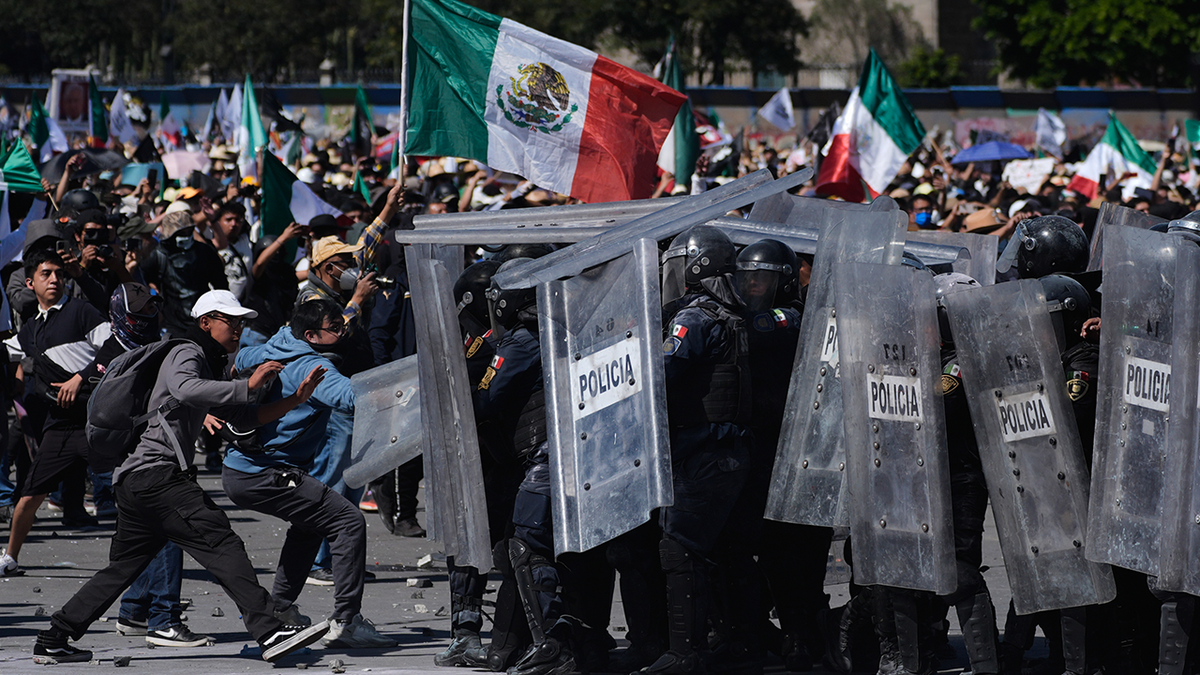
Industry insiders note that the protests also intersect with a long-standing tension between Mexico City’s activist communities and its cultural institutions. In 2024, similar demonstrations during the Morelia Film Festival led to last-minute venue relocations, and organizers of this year’s CinefestMX have privately expressed concerns about repeat scenarios. “The city’s creative economy thrives on accessibility,” said a producer working on an upcoming documentary series set in CDMX. “When the streets become battlegrounds, even the most well-planned events can unravel.”
What’s Next for Protesters and Commuters?
As of June 12, 2026, city officials have not issued a formal state of emergency, but traffic authorities have activated emergency protocols, including the deployment of additional police units and the rerouting of Metro lines. Protesters plan to maintain their presence through June 14, with a secondary rally scheduled for June 15 near the Angel de la Independencia monument. Meanwhile, the Secretaría de Movilidad has urged residents to use alternative routes, though many commuters in affected areas report already facing delays of up to two hours.
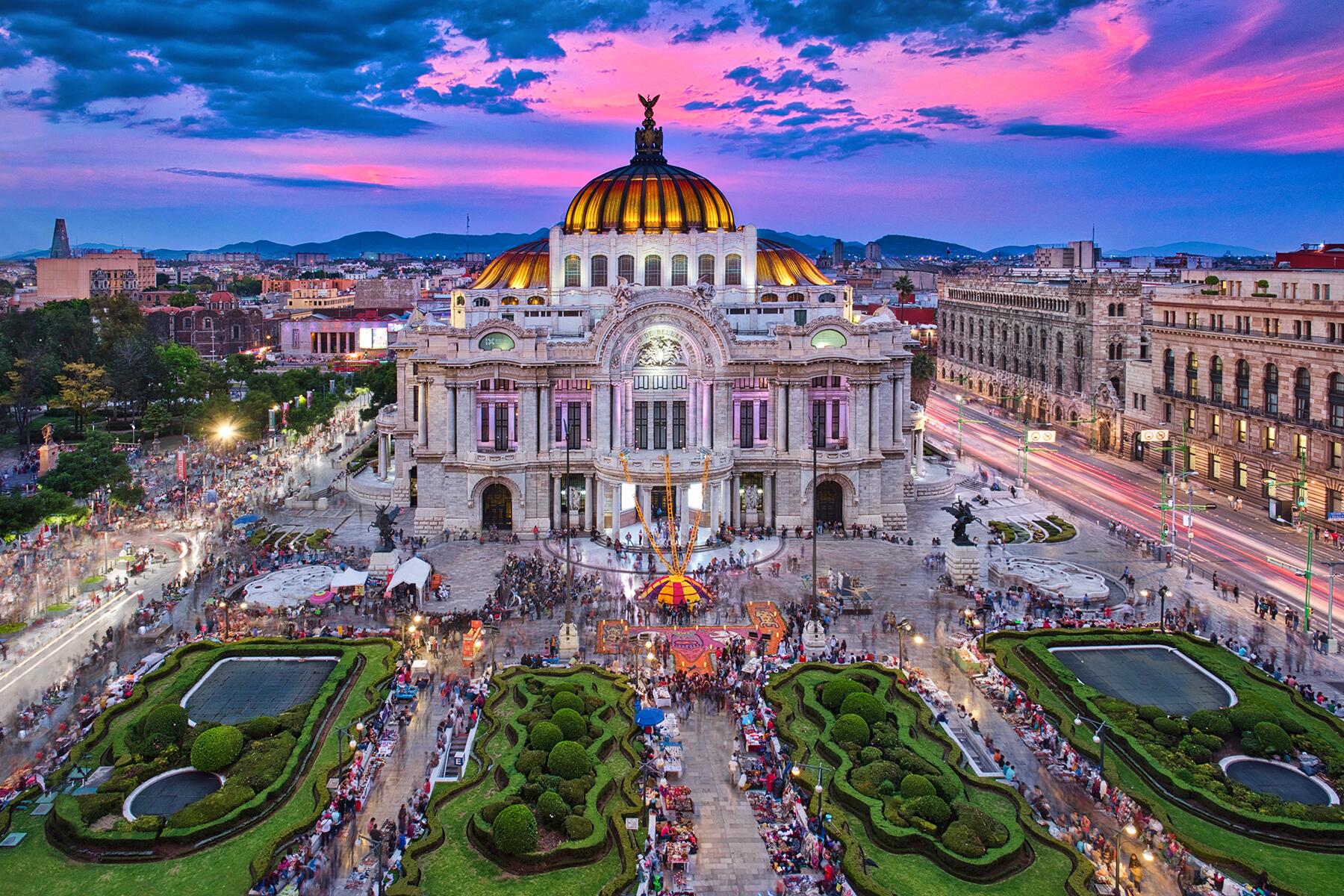
For those monitoring the situation, the key question remains whether the protests will escalate into broader unrest—or whether the city’s infrastructure can absorb the disruption without permanent damage to its cultural and economic lifelines. Historically, Mexico City has managed to balance activism with its role as a global cultural hub, but the scale of this week’s mobilizations suggests the stakes are higher than usual.
