
From Burberry to Burleigh: What might a former fashion boss bring to a heritage pottery brand? – BBC
Christopher Bailey, the former chief executive of Burberry, has acquired the heritage English pottery brand Burleigh. The acquisition represents a strategic attempt to apply luxury fashion turnaround tactics to a traditional manufacturing business, according to reports from the Financial Times and The Guardian.
The Acquisition of Burleigh Pottery
Christopher Bailey has taken ownership of Burleigh, a storied name in English ceramics. While the specific financial terms of the deal remain undisclosed, the Financial Times reports that Bailey is now leading the direction of the pottery firm. This move marks a significant shift for Bailey, who spent years at the helm of one of the world’s most recognized luxury fashion houses.
The Guardian characterizes the acquisition as a “rescue mission,” suggesting that Burleigh required a strategic intervention to maintain its viability in a modern market. This framing indicates that the brand may have faced operational or financial headwinds prior to Bailey’s entry. By stepping in as the new owner, Bailey is tasked with stabilizing the company while attempting to elevate its market position.
Burleigh is not merely a commercial entity but a symbol of British industrial heritage. The brand is known for its traditional craftsmanship and distinct English aesthetic. The Times notes that the company already possesses a level of cultural currency, citing it as a favorite of actor Timothée Chalamet, which provides a bridge between traditional pottery and contemporary celebrity influence.
The Burberry Blueprint: How Christopher Bailey Modernized Luxury
To understand what Bailey might bring to Burleigh, it is necessary to examine his tenure at Burberry. According to industry analysis from TheIndustry.fashion, Bailey is credited with transforming Burberry from a brand struggling with identity and counterfeiting into a global digital powerhouse.
During his time at Burberry, Bailey implemented several key strategies that are now viewed as benchmarks for luxury brand management:
- Digital Integration: Bailey pushed Burberry to embrace e-commerce and social media long before many of its peers, turning the brand into a digital pioneer.
- Product Pruning: He streamlined the product offering, focusing on core “hero” items—such as the iconic trench coat—to increase brand desirability.
- Creative Control: By combining the roles of CEO and Creative Director, Bailey ensured that the business strategy and the artistic vision were perfectly aligned.
- Global Expansion: He scaled the brand’s presence in emerging markets, particularly in Asia, where the appetite for “Britishness” was high.
The transition “from Burberry to Burleigh” suggests that Bailey intends to replicate this playbook. The goal is likely to take a brand with deep heritage and “dust it off” for a 21st-century audience without sacrificing the authenticity that makes the brand valuable.
Why a Fashion Perspective Matters for Pottery
The intersection of high fashion and home goods is a growing trend in the luxury sector. Many luxury houses, such as Hermès and Louis Vuitton, have expanded into “art de la table” (the art of the table) because home decor allows a brand to embed itself more deeply into a customer’s lifestyle.

Bailey brings a specific set of skills to Burleigh that a traditional pottery executive might lack. According to reports on his professional history, these include:
Brand Positioning and Storytelling
Heritage brands often struggle with being perceived as “stuffy” or “dated.” Bailey’s expertise lies in storytelling—taking a historic archive and reframing it as “timeless” rather than “old.” For Burleigh, this could mean shifting the marketing focus from “traditional dinnerware” to “curated luxury objects.”
Attracting a Younger Demographic
The mention of Timothée Chalamet in The Times highlights a critical opportunity. Luxury pottery often appeals to an older demographic. Bailey’s experience with the youth-driven fashion market could help Burleigh capture Gen Z and Millennial consumers who are increasingly interested in “quiet luxury” and artisanal, sustainable goods.
Operational Modernization
If the acquisition is indeed a rescue mission, as The Guardian reports, Burleigh likely needs more than just a new logo. It needs a modernized supply chain and a more efficient distribution model. Bailey’s experience managing the complex logistics of a global fashion house could be applied to the production and shipping of fragile ceramics.
| Strategic Element | Burberry Approach (Past) | Potential Burleigh Application |
|---|---|---|
| Market Reach | Aggressive global digital expansion | Direct-to-consumer (DTC) global e-commerce |
| Brand Image | Modernized British heritage | Elevated “Artisan” luxury status |
| Customer Base | Shift toward younger, affluent globalists | Targeting “New Luxury” and celebrity influencers |
| Product Focus | Emphasis on “Hero” products (Trench) | Focus on signature patterns and limited editions |
Comparing Media Perspectives on the Acquisition
Different news outlets have framed the Bailey-Burleigh deal through distinct lenses, revealing the various stakes involved in the acquisition.

The Financial Times treats the event as a business transaction, focusing on the acquisition and the leadership change. Their reporting emphasizes the movement of capital and executive talent from one sector (fashion) to another (ceramics). This is a narrative of entrepreneurial diversification.
The Guardian, conversely, frames the story as a “rescue mission.” This terminology suggests a level of urgency and a potential crisis at Burleigh. By using the word “rescue,” the narrative shifts from a simple investment to a corporate salvage operation, implying that the brand’s survival may have been at risk.
The Times focuses on the cultural and celebrity angle, specifically highlighting Timothée Chalamet. This framing positions Burleigh not as a failing business or a corporate asset, but as a lifestyle brand with existing “cool” factor that is now being professionally managed. This is a narrative of cultural capital.
These contrasting views suggest that Burleigh is currently in a state of transition: it is a business in need of stability, a heritage asset in need of modernization, and a luxury product with untapped celebrity appeal.
The Risks of Crossing Industry Lines
While the “Burberry playbook” worked for fashion, applying it to pottery carries inherent risks. Ceramics and clothing operate on entirely different production cycles and consumer behaviors.
Production Constraints: Fashion is seasonal and fast-moving. Pottery is slow, labor-intensive, and subject to physical breakage. The “fast fashion” mentality—even in luxury—cannot be applied to a kiln. If Bailey attempts to accelerate production too quickly, he risks compromising the quality that defines Burleigh’s heritage.
Consumer Expectations: A Burberry customer buys a coat for status and utility. A Burleigh customer often buys pottery for sentiment, tradition, or home aesthetics. The emotional driver is different. Over-branding or making the product too “trendy” could alienate the core loyalists who value the brand’s stability over its novelty.
The “Rescue” Burden: If the company is truly in financial distress, the immediate need for cash flow may conflict with the long-term goal of luxury repositioning. Luxury brands are built on exclusivity and patience; rescue missions are often built on austerity and rapid cuts.
The Broader Context of British Heritage Brands
The acquisition of Burleigh is part of a wider trend where traditional British manufacturing brands are being acquired by luxury specialists. This reflects a broader economic shift in the UK, where “Made in Britain” is being repositioned as a luxury marker rather than a mass-market industrial standard.
Many heritage brands have struggled in the last decade due to a combination of factors:
- The Rise of Global Competitors: Cheap, high-quality imports from Asia have eroded the market for mid-tier ceramics.
- Changing Home Habits: Younger generations are less likely to own full sets of formal dinnerware, preferring eclectic or minimalist styles.
- Digital Lag: Many heritage firms failed to invest in e-commerce, remaining dependent on traditional wholesalers and department stores.
By bringing in a figure like Bailey, Burleigh is attempting to bypass these pitfalls. The goal is to stop competing on price and start competing on desire. This is the fundamental difference between a commodity business and a luxury business.
“The challenge for any heritage brand is to remain relevant without becoming a caricature of itself. The acquisition of Burleigh by a fashion veteran suggests a belief that the ‘rules’ of luxury are now universal, regardless of whether the product is made of wool or clay.”
What to Monitor in the Coming Months
The success of this transition will be visible through several key indicators. First, observers should look for changes in Burleigh’s product line. Will there be “limited edition” collaborations or a shift toward more contemporary designs? Second, the digital presence of the brand will be a telling sign; a revamped website and a more aggressive social media strategy would be a classic Bailey move.
Furthermore, the employment status of the artisans at Burleigh will be a critical point of interest. A “rescue mission” often involves restructuring, but the value of a heritage brand lies in its skilled labor. Whether Bailey maintains the traditional workforce while updating the business model will determine if Burleigh remains a “heritage” brand or becomes a “branded” product.
Lastly, the market’s reaction to the “celebrity” angle will be telling. If Burleigh can successfully leverage its association with figures like Timothée Chalamet to enter new markets—such as the US or China—it will prove that the fashion-to-pottery pivot was a calculated masterstroke.
Frequently Asked Questions
Who is Christopher Bailey and why did he buy Burleigh?
Christopher Bailey is the former CEO and Creative Director of Burberry, known for transforming the fashion house into a digital and global luxury leader. He acquired Burleigh to apply his expertise in luxury branding and digital transformation to a heritage English pottery company.
Is Burleigh Pottery going out of business?
While The Guardian described the acquisition as a “rescue mission,” there has been no official statement declaring bankruptcy. The term suggests that the company needed a strategic and financial turnaround to ensure its long-term sustainability.
What makes Burleigh Pottery unique?
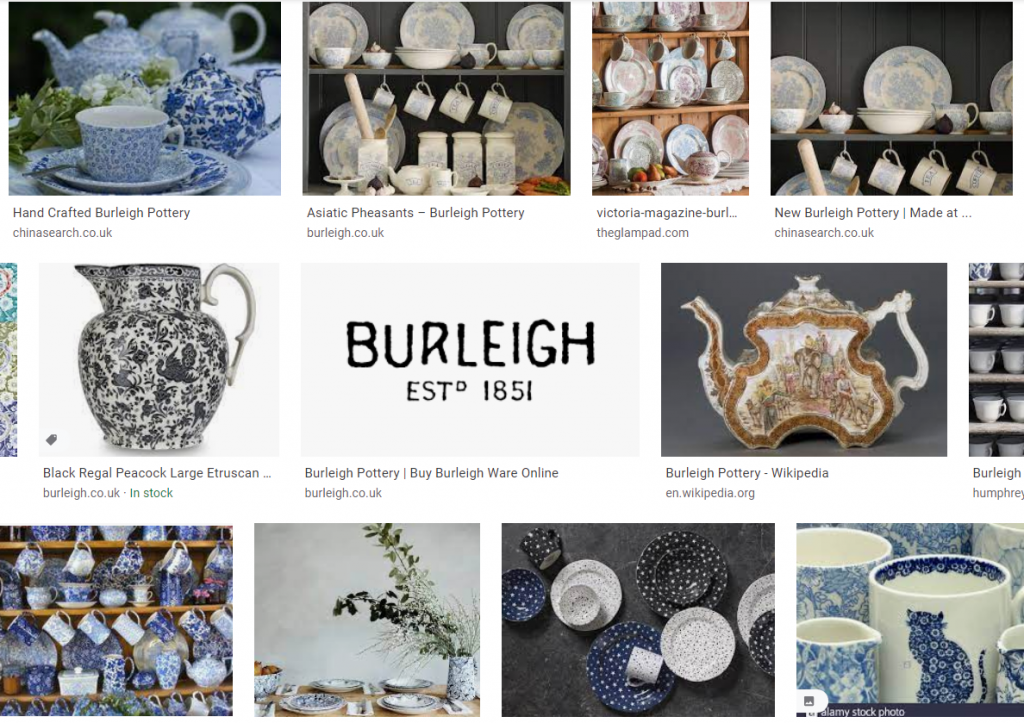
Burleigh is renowned for its traditional English craftsmanship and heritage designs. It is often associated with classic British aesthetics and has recently gained attention for being favored by contemporary celebrities like Timothée Chalamet.
How is the “Burberry approach” different from traditional pottery management?
Traditional management often focuses on production efficiency and wholesale distribution. The Burberry approach focuses on brand storytelling, digital-first sales, exclusivity, and targeting a younger, global luxury consumer.
Will Burleigh’s products change under the new ownership?
While no specific product changes have been announced, Bailey’s history suggests a move toward streamlining the collection, introducing “hero” pieces, and potentially creating modern iterations of classic patterns to attract a wider audience.
