
Feger tops MARS field at Red Hill, wins $5,000 – Dirt on Dirt
In a display of precision driving and strategic mastery, Jason Feger has emerged victorious at Red Hill, overcoming a competitive field in the MARS Racing Series. The win is not only a testament to Feger’s skill behind the wheel but also a significant financial milestone, as he secures a substantial $5,000 top prize. This victory underscores the high-stakes nature of Late Model racing, where a single event can shift the momentum of a season and provide critical funding for the rigorous demands of a racing program.
The event at Red Hill served as a crucible for the drivers involved, testing both the mechanical endurance of the machines and the mental fortitude of the pilots. For Feger, topping the field in such a high-pressure environment reinforces his standing as a formidable competitor within the MARS circuit. The combination of a challenging track surface and a dense field of experienced drivers made this particular win a standout moment in the current racing calendar.
Analyzing the Victory at Red Hill
Winning a MARS event requires more than just raw speed; it requires an intimate understanding of how a dirt track evolves over the course of a race night. At Red Hill, the track conditions—ranging from the initial “tacky” surface to the eventual “slick” conditions as the clay dries—demand constant adjustment from the driver and the crew.
Feger’s ability to navigate these changing variables was the deciding factor in his success. In Late Model racing, the “groove”—the optimal path around the track—is rarely static. Drivers must constantly hunt for moisture or traction, often sliding the car in a controlled manner to maintain momentum through the corners. Feger’s performance indicated a superior ability to read the dirt and anticipate where the grip would be in the closing laps.
The Strategic Elements of the Win
- Tire Management: Preserving the right-rear tire is critical in dirt racing. Over-driving the car early in the feature can lead to “burning off” the rubber, leaving the driver vulnerable in the final laps.
- Line Choice: The decision to run the high line (near the wall) versus the low line (near the apron) can be the difference between a win and a mid-pack finish.
- Restart Positioning: In a field as tight as the one at Red Hill, the ability to launch effectively during restarts is paramount to maintaining the lead.
Understanding the MARS Racing Series
The MARS Racing Series is renowned for its grueling schedule and the high caliber of its competitors. It serves as a premier arena for Late Model racing, attracting drivers who specialize in the art of dirt track competition. The series is designed to challenge drivers across various track geometries and soil compositions, ensuring that the champion is a versatile athlete capable of winning anywhere.

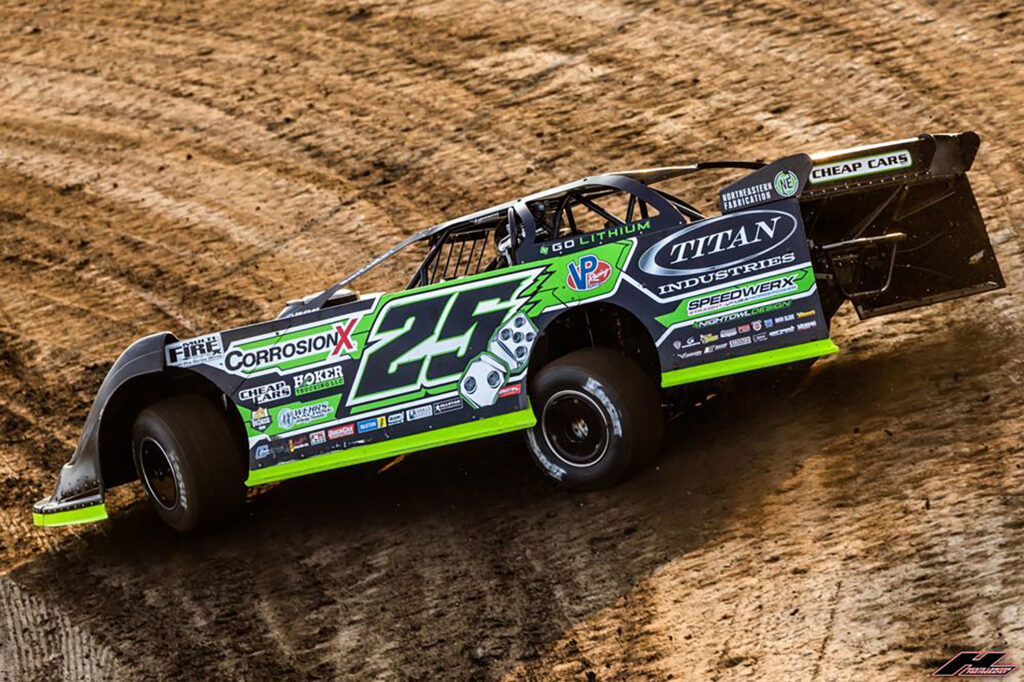
Late Model racing represents the pinnacle of dirt track technology. These cars are purpose-built machines, featuring sophisticated chassis designs that allow for extreme weight transfer and grip. Unlike street cars, these vehicles are engineered to be driven “sideways,” using the throttle to steer the car through the turns.
| Feature | Late Model Specification (General) | Impact on Racing |
|---|---|---|
| Chassis | Tubular Steel Frame | Provides safety and allows for precise suspension tuning. |
| Aerodynamics | Wedge-shaped bodies | Creates downforce to keep the car planted at high speeds. |
| Engine | High-torque V8 | Necessary for explosive acceleration out of the corners. |
| Tires | Specialized Dirt Compounds | Engineered for maximum bite on clay and loam. |
The Financial Impact of the $5,000 Prize
In the world of independent dirt racing, the payout is more than just a trophy; it is the lifeblood of the operation. A $5,000 win at Red Hill provides a critical infusion of capital that allows a team to maintain its competitive edge. The costs associated with running a top-tier Late Model program are immense, often outweighing the average per-race earnings.
To understand why a $5,000 prize is so significant, one must look at the operational overhead of a MARS competitor. Every mile driven and every lap turned incurs a cost. From the price of high-performance racing fuel to the wear and tear on the engine, the financial pressure is constant.
Breakdown of Racing Expenses
While exact figures vary by team, the following areas typically consume the majority of a driver’s budget:
- Tire Sets: High-grip racing tires are expensive and often only last for a few heat races and a feature. A single weekend can require multiple sets.
- Engine Maintenance: High-compression V8 engines operating at peak RPMs require frequent rebuilds to prevent catastrophic failure.
- Fuel and Logistics: Transporting a race car, trailer, and crew across the region involves significant fuel and lodging costs.
- Parts and Damage: Dirt racing is a contact sport. Fenders, bumpers, and suspension components are frequently damaged during tight battles for position.
The victory at Red Hill does more than add a trophy to the mantle; it secures the technical viability of the team for the coming events, ensuring that the car can be tuned to the highest specifications.
The Technical Challenge of Red Hill
Red Hill is known among drivers for its specific characteristics that separate the elite from the average. The track’s layout and the way it holds moisture make it a “driver’s track,” meaning the outcome is determined more by the pilot’s skill than by the horsepower of the engine.

The primary challenge at a venue like Red Hill is the transition of the racing surface. As the night progresses, the “black” (the rubbered-in part of the track) develops. Finding the balance between driving on the rubber—which can be slick—and searching for the “cushion” (the pile of loose dirt pushed to the top of the track) is a constant mental exercise.
The Physics of the “Slide Job”
One of the most exciting and technical maneuvers seen in the MARS field is the “slide job.” This occurs when a trailing driver dives low into the corner, slides across the nose of the leading car, and uses the momentum to “seal” the exit, effectively blocking the leader and taking the position.
Executing a slide job requires perfect timing. If the driver enters too fast, they will slide too far up the track and lose momentum. If they enter too leisurely, they leave the door open for the other driver to counter-move. Feger’s ability to either execute these moves or defend against them was a key component of his victory.
Broader Implications for the MARS Season
A win of this magnitude creates a psychological ripple effect throughout the series. When a driver tops a field at a challenging venue like Red Hill, they send a message to their competitors about the current state of their equipment and their own confidence level.
For the other drivers in the field, Feger’s win serves as a benchmark. Teams will now analyze the data from this race—examining the chassis setup and tire choices Feger utilized—to try and find a competitive advantage for the next event. This cycle of innovation and adaptation is what keeps the MARS Racing Series at the forefront of the sport.
Key Takeaways from the Event
- Consistency is Key: Topping the field requires a combination of qualifying speed and feature-race endurance.
- Financial Sustainability: High-value payouts like the $5,000 prize are essential for maintaining the quality of the field.
- Technical Mastery: Success at Red Hill proves a driver’s ability to adapt to rapidly changing track conditions.
As the season progresses, the focus will shift toward the championship standings. While a single win provides immediate gratification and financial relief, the long-term goal for any MARS driver is the consistency required to secure a series title. Feger’s win at Red Hill puts him in a strong position, both financially and competitively, as the series moves toward its next destination.
Frequently Asked Questions
What is the MARS Racing Series?
The MARS Racing Series is a professional dirt track racing circuit featuring Late Model cars. It is known for its competitive fields and challenging schedule, requiring drivers to adapt to various track conditions across different regions.
How much did Jason Feger win at Red Hill?
Jason Feger won a top prize of $5,000 for topping the MARS field at the Red Hill event.
What are Late Model cars?
Late Models are purpose-built dirt racing cars with tubular steel chassis and aerodynamic bodies designed for high-speed cornering on clay or dirt surfaces. They are among the fastest and most technically advanced vehicles in dirt track racing.
Why is the “groove” important in dirt racing?
The “groove” is the path on the track that offers the most traction. Because the dirt surface changes as cars wear it down or as it dries out, the groove shifts, forcing drivers to constantly adjust their line to maintain maximum speed.
What makes Red Hill a challenging track?
Red Hill is considered a “driver’s track” due to its specific soil composition and the way the surface evolves during a race night, demanding high levels of adaptability and precision from the drivers.
The victory by Jason Feger is a highlight of the current racing season, blending the thrill of high-speed competition with the strategic depth of professional dirt racing. By mastering the conditions at Red Hill and securing the $5,000 payout, Feger has solidified his place as a top contender in the MARS Racing Series. For fans and analysts alike, this event serves as a reminder of the skill, bravery, and technical expertise required to win in the world of Late Model racing.
