
Ireland’s Auto-Enrolment Pension Scheme: What Happens When Hundreds of Thousands of Workers Face the Opt-Out Deadline
From next month, Ireland’s landmark auto-enrolment pension scheme will enter a critical phase as hundreds of thousands of workers—many of whom have never actively engaged with retirement planning—will be given the chance to opt out. The decision, which arrives as the country’s pension landscape undergoes a seismic shift, raises urgent questions about financial security, gender disparities, and the long-term sustainability of private savings in an aging society.
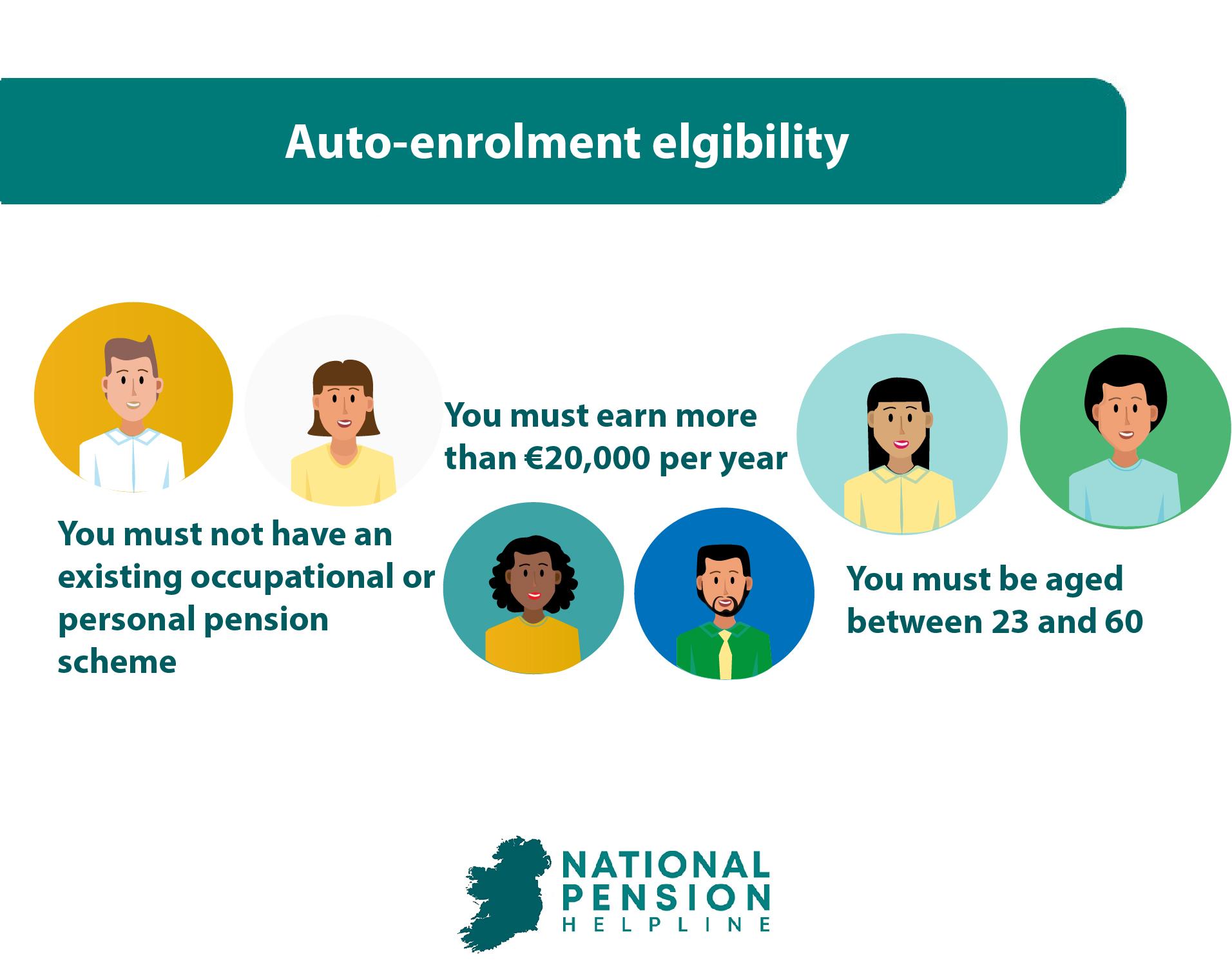
With the government’s auto-enrolment system finally gaining full traction, employees earning over €20,000 annually will automatically be enrolled in workplace pensions unless they take deliberate action to withdraw. Yet, as the opt-out window opens, financial experts warn that the scheme’s design—particularly its earnings threshold and age restrictions—could deepen existing inequalities, leaving vulnerable groups further behind. Meanwhile, the state pension system itself may soon face radical reform, calling into question whether Ireland’s new approach will deliver on its promise of a more secure future for workers.
This is not just a bureaucratic change; it’s a defining moment for Ireland’s retirement economy. For millions of workers, the choice to stay in or leave the auto-enrolment scheme will shape their financial well-being for decades. But with misinformation, confusion, and competing priorities at play, the stakes could not be higher.
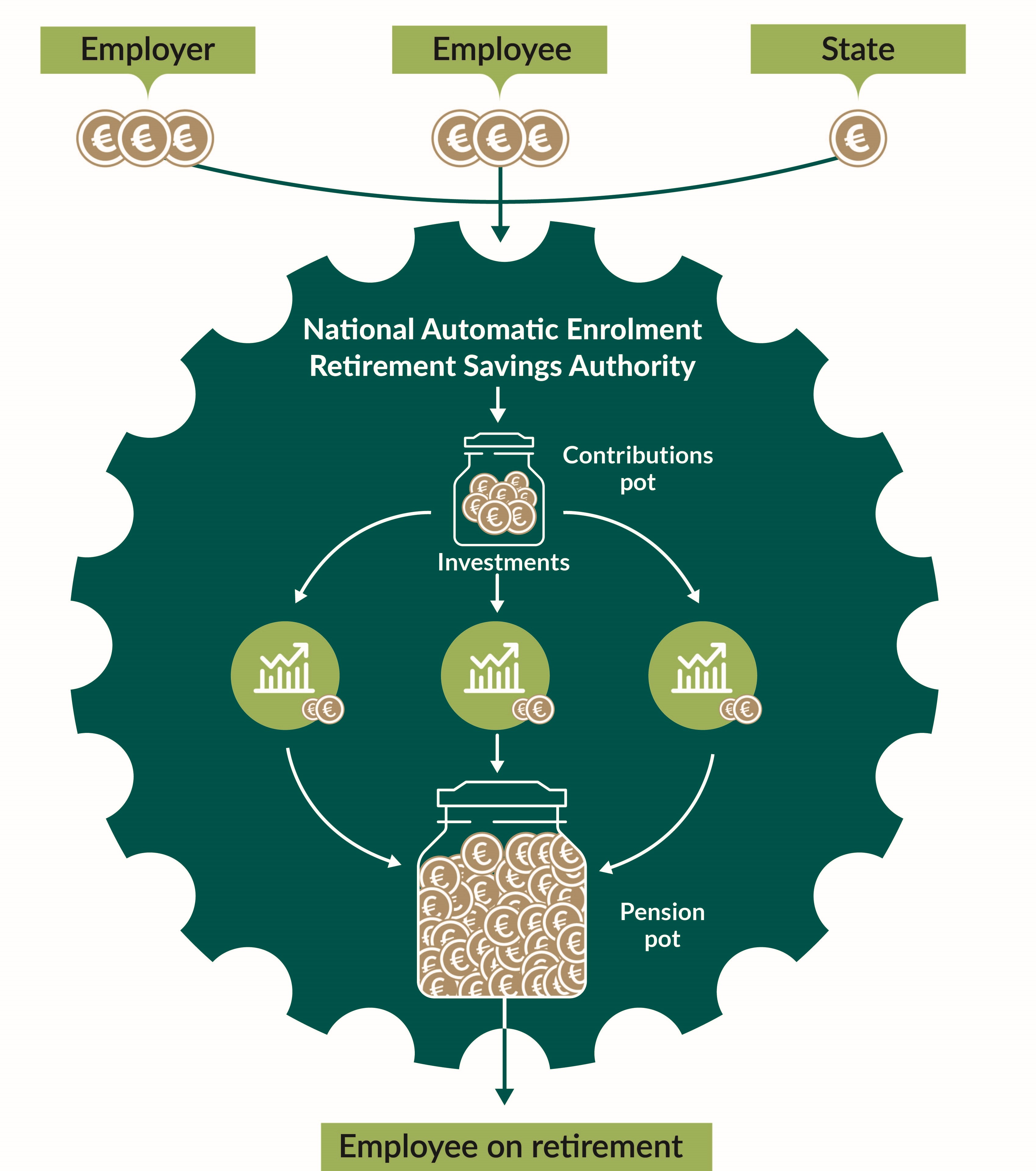
— ### The Opt-Out Deadline: What Workers Need to Know The auto-enrolment pension scheme, a cornerstone of Ireland’s pension reform, will allow workers to opt out starting next month—though doing so may come with long-term consequences. Here’s how it works: – Who is affected? Employees earning over €20,000 annually (or those aged 23 or older earning over €10,000) will automatically be enrolled in their employer’s pension scheme unless they act. – The opt-out window: Workers have until a specified deadline (typically within weeks of enrollment) to withdraw, but financial advisors strongly recommend against it. – The financial math: Opting out means forfeiting employer contributions (currently 1% of salary, rising to 6% by 2026) and potential tax relief on contributions. Over a 40-year career, the difference could amount to tens of thousands of euros.
Key Point: While opting out is legally possible, doing so may leave workers with a significant retirement savings gap—especially for those in lower-paid or precarious employment.
— ### Why This Scheme Matters: The Backstory Behind Ireland’s Pension Overhaul Ireland’s auto-enrolment system is the result of years of policy debate, financial crises, and growing concerns about retirement insecurity. Here’s how we got here: 1. The Pension Crisis – Ireland’s state pension system, while robust, is under strain due to an aging population and rising life expectancy. The current state pension age (66) may increase further, leaving many workers reliant on private savings. – Before auto-enrolment, only about 40% of private-sector employees had access to workplace pensions—a figure far below the EU average. 2. The Government’s Response – In 2017, the government committed to a mandatory auto-enrolment system, modeled after successful schemes in the UK and Australia. – The scheme was delayed by political and economic challenges, including the pandemic, but finally launched in stages from 2023. 3. The Earnings Threshold Controversy – Critics argue that the €20,000 threshold excludes many low-income workers who need pensions the most. – Women, who are more likely to work part-time or in lower-paid roles, face a disproportionate risk of being left out.
Expert Insight: “The earnings threshold is a blind spot in the scheme,” says a pension policy analyst. “If you’re earning just below €20,000, you’re effectively priced out of the system—yet you’re still likely to need a pension.”
— ### The Gender Gap: How Auto-Enrolment Could Widen Inequality One of the most contentious aspects of Ireland’s auto-enrolment scheme is its potential to exacerbate the gender pension gap—a divide that already sees women retiring with 40% less in savings than men. – Why women are at risk: – Part-time work (common among women) often falls below the €20,000 threshold. – Career breaks for childcare or eldercare mean fewer years of contributions. – Lower lifetime earnings reduce pension pot sizes. – The auto-enrolment paradox: – While the scheme aims to boost savings, its design may push women further away from adequate retirement income. – Without adjustments, the scheme could reinforce the particularly inequalities it was meant to address.
Data Highlight: According to recent pension reports, Irish women retire with an average of €120,000 in private pensions, compared to €200,000 for men. Auto-enrolment, if left unchecked, could widen this gap.
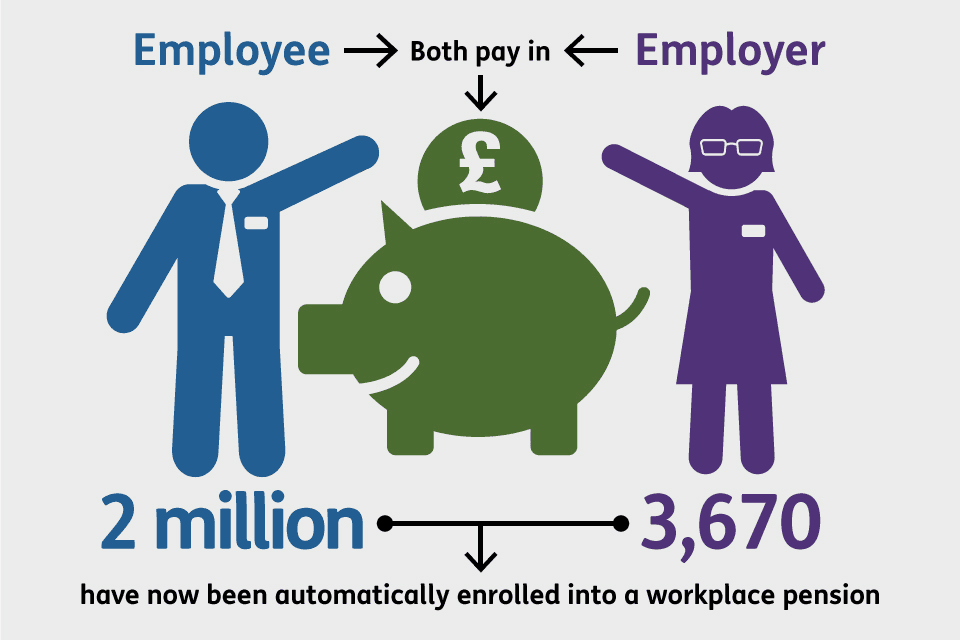
— ### What Happens If Workers Opt Out? For those considering withdrawal, the financial implications are stark: – Lost employer contributions: Even a 1% employer contribution on €20,000 is €200 per year—money that disappears if opting out. – Tax relief forfeited: Contributions are tax-deductible, meaning workers pay less income tax upfront. – Future catch-up challenges: Starting a pension later in life means higher contributions are needed to reach the same savings goal.
Financial Reality Check: A worker earning €30,000 who opts out at 30 could miss out on over €100,000 in employer contributions and tax relief by retirement age.
Yet, some workers—particularly those in financial distress or with high living costs—may see opting out as the only viable option. Financial advisors urge caution, suggesting alternative solutions like reducing contribution rates rather than full withdrawal. — ### The State Pension: Could It Be Phased Out? As Ireland’s auto-enrolment scheme takes shape, speculation grows about the future of the state pension. Some policymakers have hinted that the current system may no longer be sustainable, raising questions about whether the state pension could be reduced or replaced by private savings. – The political debate: – Proponents argue that auto-enrolment will make the state pension less necessary, shifting the burden to private providers. – Critics warn that relying too heavily on private pensions risks leaving low-income workers without adequate support. – International comparisons: – In the UK, auto-enrolment has increased pension coverage but has not eliminated the state pension. – Australia’s mandatory superannuation system coexists with a means-tested age pension, suggesting a hybrid model may be the future.
Policy Watch: Any changes to the state pension would require significant public consultation, but the current economic climate makes reform a likely topic in next year’s budget discussions.
— ### Who Stands to Gain—and Who Could Lose? The auto-enrolment scheme’s rollout will have uneven impacts across Ireland’s workforce: | Group | Potential Benefit | Risks | High earners | Larger pension pots due to higher contributions | May still rely too much on state pension | | Low-income workers | Access to employer contributions for the first time | Excluded if earnings fall below €20,000 | | Part-time workers | Steady savings growth | Often fall below threshold; lower contributions | | Self-employed | Future inclusion in scheme (planned) | Currently excluded; no immediate help | | Women | Long-term savings security | Higher risk of exclusion due to earnings gap |
Case Study: A single mother earning €18,000—just below the threshold—may struggle to save for retirement without access to auto-enrolment. Meanwhile, a €50,000 earner could see their pension grow significantly over time.
— ### Expert Reactions: What Advisors Are Saying Financial planners and pension experts offer mixed views on the scheme’s effectiveness: – Supportive Perspective: – “Auto-enrolment is a game-changer for Ireland. For the first time, millions of workers will have a pension without having to think about it.” – (Source: Retirement planning firm) – Critical View: – “The earnings threshold is a major flaw. If you’re earning €19,000, you’re out of luck—yet you’re still likely to need a pension.” – (Source: Pension policy researcher) – Practical Advice: – “Don’t opt out. Even reducing your contribution rate is better than nothing. Pensions are about long-term growth, not short-term savings.” – (Source: Certified financial planner)
Common Misconception: Many workers believe they can “catch up” later. In reality, compound interest means starting early is far more effective.
— ### What to Watch For in the Coming Months As the opt-out window opens, several developments will shape the future of Ireland’s pension system: 1. Opt-out rates: Will hundreds of thousands withdraw, or will most stay enrolled? 2. Gender data: Will women opt out at higher rates, deepening the savings gap? 3. State pension reforms: Could the government announce changes to the state pension in the next budget? 4. Employer responses: Will companies adjust contribution rates or offer additional incentives? 5. Public awareness campaigns: Will financial education efforts succeed in reducing opt-outs?
Key Takeaway: The success of Ireland’s auto-enrolment scheme hinges not just on policy design but on worker engagement and long-term behavior change.
— ### Frequently Asked Questions About Opting Out of Ireland’s Auto-Enrolment Scheme Q: Can I opt out of the auto-enrolment pension scheme? A: Yes, but you must take deliberate action before the opt-out deadline. If you do nothing, you’ll remain enrolled. Q: What happens if I opt out? A: You lose employer contributions (currently 1% of your salary) and tax relief on your contributions. Over time, this can reduce your pension pot by tens of thousands. Q: Is there a better alternative to full opt-out? A: Yes—many providers allow you to reduce your contribution rate instead of withdrawing entirely. This preserves some savings while easing financial pressure. Q: Will the state pension replace my workplace pension? A: Unlikely. The state pension is means-tested and provides a basic income, while workplace pensions are designed for long-term growth. Relying solely on the state pension may leave you short. Q: What if I earn below €20,000? A: You won’t be automatically enrolled, but you can still open a private pension. Some employers offer voluntary schemes for lower earners. Q: How does auto-enrolment affect part-time workers? A: Part-time workers may still qualify if their earnings exceed €20,000 annually. However, lower hours mean smaller contributions, which can limit long-term growth. —
Ireland’s auto-enrolment pension scheme represents a pivotal moment in the country’s financial landscape. For workers, the decision to stay enrolled—or opt out—will have lasting consequences. As the system evolves, policymakers, employers, and employees must work together to ensure that the promise of a secure retirement becomes a reality for all.
For those on the fence, financial experts advise: Don’t opt out without expert advice. The long-term benefits of staying in the scheme far outweigh the short-term convenience of withdrawal.
