
Which Cards Do I Bring Along for Overseas Trips? A Comprehensive Guide to International Payment Strategies
For the modern global traveler, the question of “Which cards do I bring along for overseas trips? – The MileLion” is no longer just about having a piece of plastic in a wallet. it is about constructing a strategic financial toolkit. As international travel rebounds to record levels, the intersection of currency volatility, evolving fintech solutions, and complex credit card reward structures has made the choice of payment method a critical factor in the overall cost of a vacation.
Choosing the wrong card can lead to “invisible” losses—foreign transaction fees, poor exchange rates, and ATM surcharges that can quietly erode a travel budget by 3% to 5% per transaction. Conversely, a well-curated selection of cards can not only eliminate these costs but actually subsidize the trip through aggressive point accumulation and integrated travel insurance. This analysis explores the architecture of a perfect travel wallet, weighing the trade-offs between premium rewards cards, no-annual-fee options, and the rise of digital multi-currency accounts.
The Hidden Architecture of International Transaction Costs
Before selecting specific cards, it is essential to understand how banks profit from your overseas spending. Most travelers are familiar with the concept of an exchange rate, but few account for the layered fees that occur behind the scenes of a single swipe.
The Foreign Transaction Fee (FX Fee)
The most common hurdle is the Foreign Transaction Fee. This is a surcharge imposed by the issuing bank for processing a transaction in a currency other than the account’s base currency. Typically ranging from 1% to 3%, these fees are applied to every purchase. While 3% may seem negligible on a coffee, it becomes substantial on a $2,000 hotel bill or a high-end shopping excursion in Tokyo or Paris.
The Network Spread
Beyond the bank’s fee, the payment network (Visa, Mastercard, or American Express) applies its own exchange rate. While these are generally competitive and close to the “mid-market rate,” they are rarely identical. The difference between the interbank rate and the rate offered to the consumer is known as the spread.
The Dynamic Currency Conversion (DCC) Trap
One of the most frequent mistakes travelers make occurs at the point of sale. Many merchants offer “Dynamic Currency Conversion,” where the card terminal asks if you would prefer to pay in your home currency rather than the local currency. While this seems convenient because the exact total is shown, it is almost always a financial trap. The merchant’s bank sets the exchange rate for DCC, which is typically far worse than the rate your own bank would provide.
Pro Tip: Always choose to be charged in the local currency of the country you are visiting. Let your home bank handle the conversion to ensure a fairer rate and avoid predatory merchant markups.
Categorizing the Ideal Travel Wallet
To answer the central question of which cards to bring, one must view the wallet as a tiered system. Relying on a single card is a risk; relying on too many is a management nightmare. A professional travel strategy typically involves three distinct categories of payment instruments.
1. The Primary “Workhorse” Card: High Rewards, Zero FX Fees
The workhorse is the card you use for 90% of your spending. The primary criteria for this card are the total absence of foreign transaction fees and a high reward rate for travel or general spending.
Premium Travel Rewards Cards
These cards often carry an annual fee but offset it with significant perks. For those who travel frequently, the value proposition is clear:
- Airport Lounge Access: Reducing the cost of airport meals and providing a space to work or rest.
- Travel Insurance: Integrated coverage for trip cancellation, delays, and lost luggage.
- High Point Multipliers: Earning 3x to 5x points on dining and hotels.
The No-Annual-Fee Alternative
For the occasional traveler, a premium card may not make sense. In recent years, a new wave of “no-annual-fee” cards has entered the market that still waive foreign transaction fees. These are ideal for budget-conscious travelers who want to avoid a fixed yearly cost while still avoiding the 3% FX penalty.
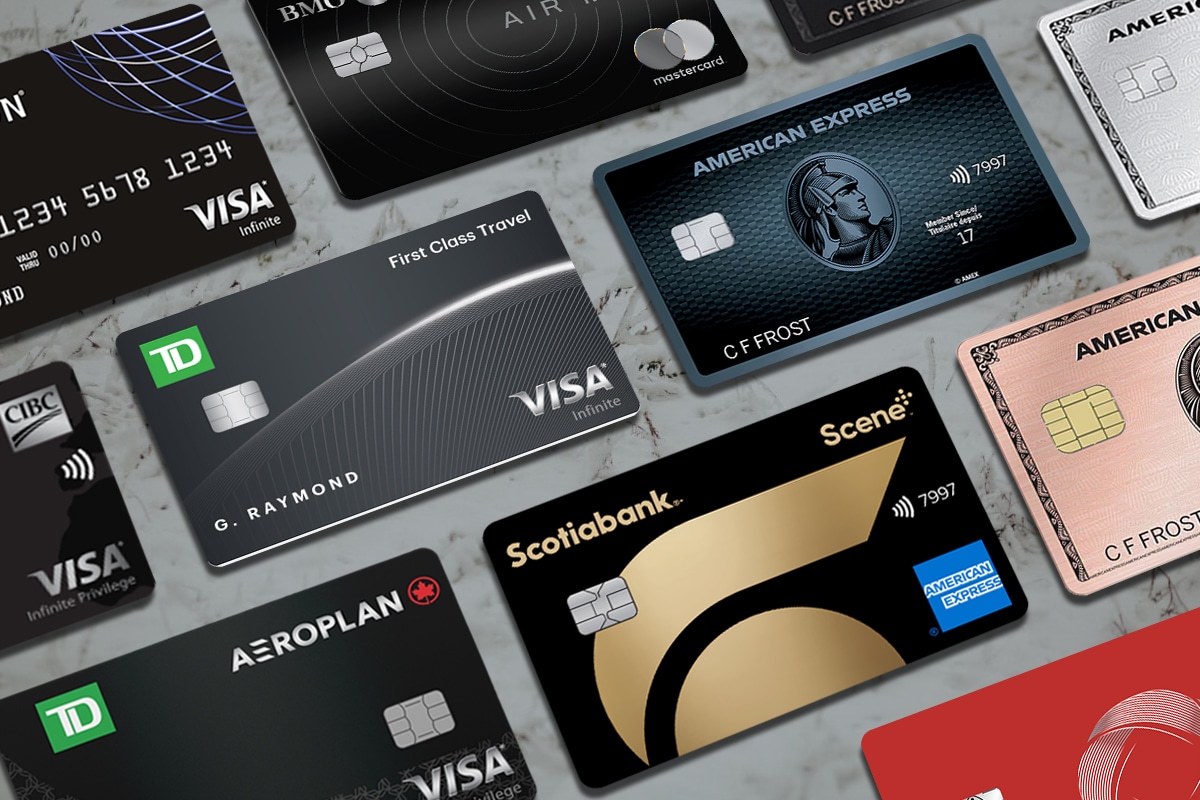
| Card Type | Typical Annual Fee | FX Fees | Best For… |
|---|---|---|---|
| Premium Rewards | $95 – $695 | 0% | Frequent flyers, luxury travelers, lounge seekers. |
| No-Fee Travel Card | $0 | 0% | Occasional travelers, budget-conscious users. |
| Standard Credit Card | $0 – $50 | 2% – 3% | Domestic use only (Avoid for overseas trips). |
2. The Liquidity Tool: Multi-Currency Accounts and Debit Cards
Credit cards are excellent for purchases, but they are inefficient for withdrawing cash. Using a credit card at an ATM usually triggers a “cash advance,” which incurs immediate high interest and hefty fees.
The Rise of Fintech (Neo-Banks)
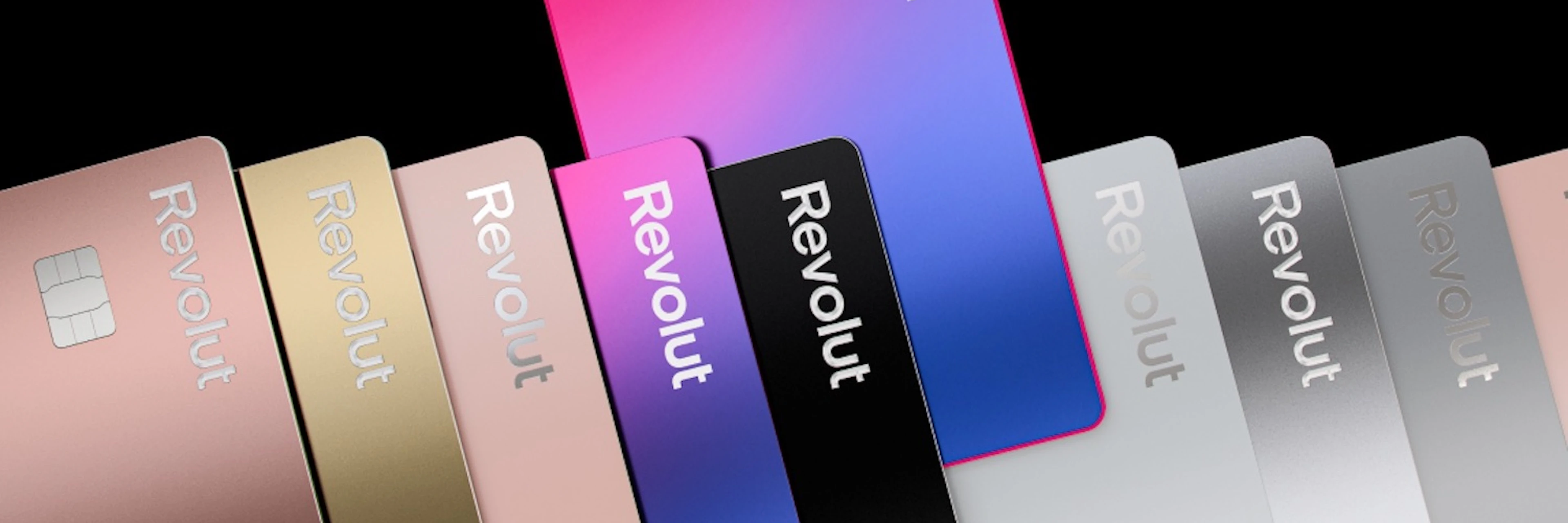
Digital-first platforms like Wise or Revolut have revolutionized overseas spending. These accounts allow users to hold balances in multiple currencies simultaneously. You can convert your home currency into Euros or Yen when the rate is favorable and spend directly from that balance, effectively eliminating FX fees at the point of sale.
The Traditional Travel Debit Card
Some traditional banks offer specific “travel accounts” where you can pre-load foreign currency. While less flexible than fintech apps, they provide a safety net for destinations where cash is still king, such as parts of Japan, Germany, or Southeast Asia.
3. The Emergency Backup: Network Diversification
The most overlooked aspect of the “Which cards do I bring along for overseas trips?” strategy is network redundancy. If you carry two Visa cards and a Visa terminal goes down—or your account is flagged for suspicious activity—you are effectively stranded.
Diversifying Networks
A robust wallet should include:
- One Visa: The most widely accepted network globally.
- One Mastercard: Nearly equal acceptance to Visa, but acts as a critical backup.
- One American Express or Discover: While less widely accepted in small shops, they often offer superior rewards and better customer service for dispute resolutions.
Security and Risk Management in Foreign Territories
Carrying multiple high-limit cards overseas introduces security risks. From physical theft to sophisticated digital skimming, the threat landscape is different abroad than it is at home.
Preventing Fraud and Theft
To mitigate risk, professional travelers employ several tactical maneuvers:
- The “Split Wallet” Method: Never carry all your cards in one place. Keep your primary card in your wallet, a backup card in a hidden hotel safe, and a small amount of emergency cash in a separate secure pocket.
- Digital Wallets: Utilizing Apple Pay or Google Pay adds a layer of security through tokenization, meaning the actual card number is never shared with the merchant.
- Virtual Cards: Some fintech apps allow you to create “disposable” virtual cards for one-time use on sketchy websites or for short-term rentals.
Managing Bank Alerts
While many modern banks use AI to detect travel patterns, it is still prudent to set a “travel notice” via your mobile app. This prevents the bank’s fraud department from freezing your account the moment you attempt to buy a train ticket in a foreign city.
Comparative Analysis: Credit vs. Debit vs. Cash
Deciding which instrument to use for a specific transaction requires a quick mental calculation of cost versus security.
Credit Cards are generally the best for large purchases (hotels, flights, car rentals) because they offer the strongest consumer protections and fraud insurance. If a hotel refuses to honor a booking, a credit card chargeback is a powerful tool for recovery.
Debit Cards/Fintech are superior for ATM withdrawals. The goal is to find a card that offers “reimbursed ATM fees,” where the bank pays you back for the fees charged by the local machine.
Cash remains a necessity for “micro-transactions”—street food, small tips, or rural markets. However, carrying large sums of cash is a security risk and often results in the worst exchange rates if converted at airport kiosks.
Common Misconceptions About Overseas Spending
Many travelers rely on outdated advice or marketing slogans that don’t hold up under financial scrutiny.
Misconception: “All travel cards are the same.”
False. There is a massive difference between a card that “earns travel points” and a card that has “no foreign transaction fees.” Some cards reward you for spending but then charge you a 3% fee to use them abroad, effectively canceling out the rewards.
Misconception: “Airport currency exchange booths are the easiest option.”
False. Airport kiosks are notorious for having the widest spreads and highest commissions. Using a no-FX-fee debit card at a local, reputable bank ATM is almost always cheaper.
Misconception: “I should pay my bill in my home currency for peace of mind.”
False. As discussed with DCC, this “peace of mind” comes at a premium price. Always pay in the local currency to ensure your bank—not the merchant—controls the conversion rate.
Strategic Checklist for Your Next Trip
To ensure you have optimized your financial setup, run through this checklist before departing:
- Audit FX Fees: Check the terms and conditions of every card you intend to bring. Confirm they specifically list “0% Foreign Transaction Fees.”
- Verify Network Mix: Ensure you have at least two different networks (e.g., Visa and Mastercard).
- Test the App: Ensure your banking apps are updated and that you have a way to freeze/unfreeze cards instantly from your phone.
- Set Up Multi-Currency: If using a fintech account, convert a small portion of your budget into the local currency before landing to avoid first-day volatility.
- Secure the Backups: Place a backup card and a photocopy of your passport in a secure, separate location from your primary wallet.
Frequently Asked Questions
What is the best card for overseas trips if I don’t want to pay an annual fee?
Look for “no-annual-fee” credit cards that specifically waive foreign transaction fees. Many banks offer these as entry-level travel cards. Alternatively, fintech accounts like Wise or Revolut provide a low-cost way to spend in multiple currencies without a traditional annual fee structure.
Should I notify my bank before I travel?
While many banks now use automated location tracking via your phone’s GPS or previous travel patterns, it is still highly recommended to set a travel notice in your app. This reduces the likelihood of your card being declined during a critical transaction.
Is it safer to use a credit card or a debit card abroad?
Credit cards are generally safer. If a credit card is skimmed or stolen, the money hasn’t left your bank account, and you can dispute the charges. With a debit card, the funds are removed instantly, and recovering them from a foreign merchant can be a lengthy and difficult process.
Why does the card machine ask me if I want to pay in my own currency?
This is called Dynamic Currency Conversion (DCC). The merchant is offering to do the conversion for you at their own exchange rate, which is typically much higher than your bank’s rate. Always decline this and choose the local currency.
How do I avoid ATM fees in foreign countries?
The best way is to use a debit card or fintech account that offers “ATM fee reimbursement.” avoid “Travelex” or independent ATMs in tourist hubs; instead, look for ATMs attached to official, national banks, which tend to have lower fees and better security.
