
FDA Issues New Kidney Warning For Alli Weight Loss Pill: Safety Updates and Patient Risks
The U.S. Food and Drug Administration (FDA) has updated safety labeling for the over-the-counter weight loss medication Alli to warn consumers about potential kidney damage. According to regulatory updates, the drug’s active ingredient, orlistat, may be associated with an increased risk of kidney failure or renal impairment, particularly in users with pre-existing kidney conditions. This safety notification requires a revision of the product’s prescribing information and consumer packaging to ensure patients and healthcare providers are aware of the risks.
What is the FDA’s new warning for Alli?
The FDA has mandated a new warning for Alli, the only FDA-approved over-the-counter (OTC) weight loss drug, regarding its impact on renal health. The agency’s updated guidance indicates that users may experience kidney-related complications while taking the medication. This warning stems from the FDA’s ongoing monitoring of adverse event reports and clinical data associated with orlistat, the active compound in Alli.
Regulatory documents specify that the risk is most acute for individuals who already suffer from chronic kidney disease or those with impaired renal function. For these populations, the drug may exacerbate existing conditions or lead to acute kidney injury. The FDA’s move focuses on transparency, ensuring that the “Drug Facts” label on OTC packaging clearly outlines these risks so consumers can make informed decisions before purchase.
Key points of the updated warning include:
- Renal Monitoring: Recommendations for patients with known kidney issues to consult a physician before use.
- Symptom Awareness: Guidance on recognizing signs of kidney distress, such as changes in urination or swelling in the extremities.
- Contraindications: Clearer language regarding who should avoid the medication entirely based on their medical history.
How does Alli work to induce weight loss?
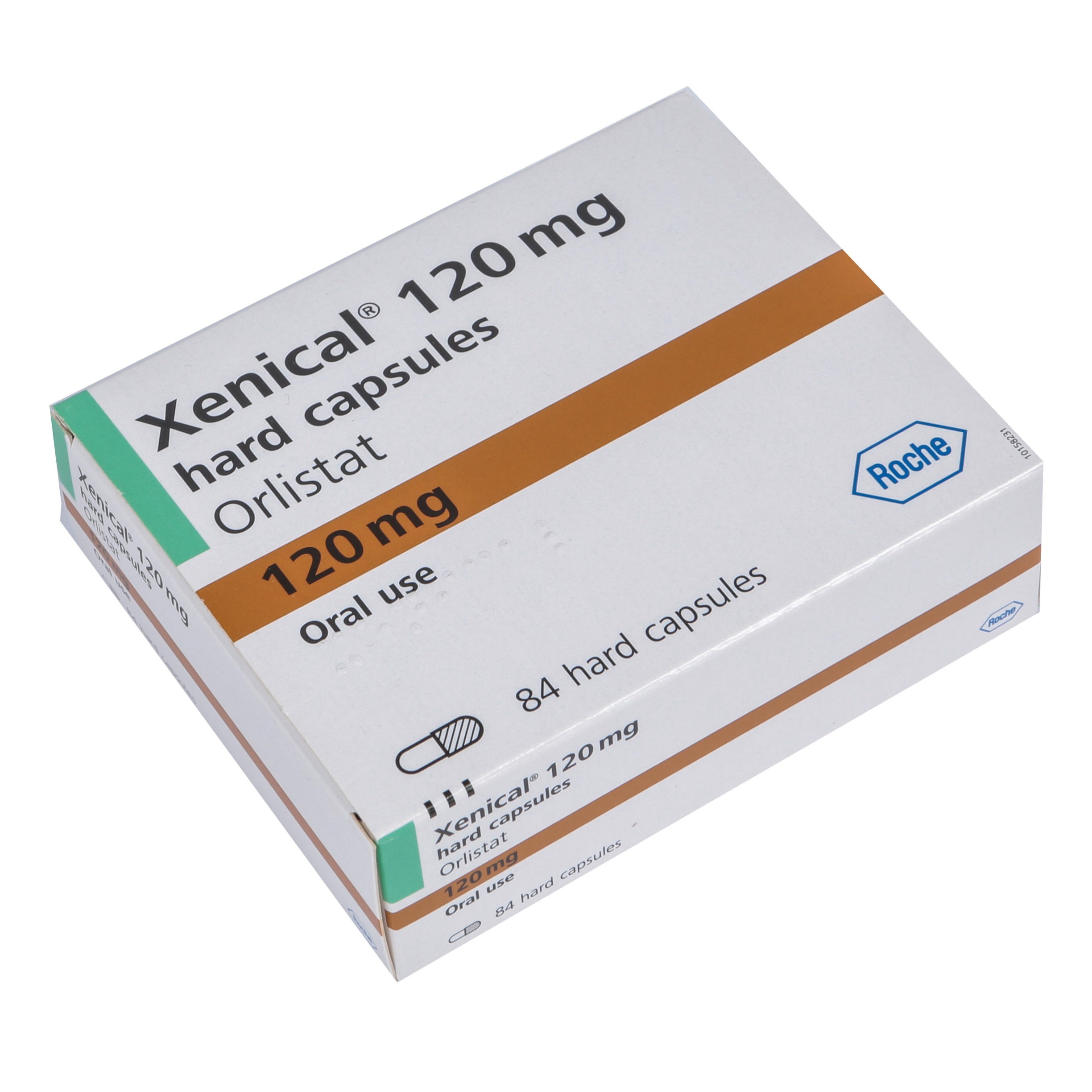
To understand the kidney warning, it is necessary to examine how Alli operates within the body. Alli contains a lower dose of orlistat than its prescription counterpart, Xenical. Orlistat is a lipase inhibitor, meaning it targets specific enzymes in the gastrointestinal tract.
According to pharmacological data, the drug works by binding to gastric and pancreatic lipases. These enzymes are responsible for breaking down dietary fats into smaller molecules that the body can absorb. By inhibiting these enzymes, orlistat prevents approximately 25% of the fat consumed in a meal from being absorbed by the intestines. Instead, the unabsorbed fat is eliminated through bowel movements.
Because the drug acts locally in the gut and is not significantly absorbed into the bloodstream, it was long considered to have a low systemic profile. However, the FDA’s updated warning suggests that the systemic impact, or the body’s reaction to the drug’s metabolic effects, can still pose a threat to the kidneys in vulnerable individuals.
Who is most at risk for kidney complications?
The FDA’s warning does not suggest that every user of Alli will experience kidney failure. Instead, it highlights specific risk groups. The primary concern is for patients with “renal impairment,” a broad term covering various stages of kidney dysfunction.
Individuals at higher risk include:
- Chronic Kidney Disease (CKD) Patients: People with long-term kidney damage who may already have a reduced glomerular filtration rate (GFR).
- Diabetics: Since diabetes is a leading cause of kidney disease, those using Alli who also manage diabetes are under increased scrutiny.
- Hypertensive Users: High blood pressure puts significant strain on the kidneys, potentially increasing the risk of an adverse reaction to orlistat.
- Elderly Populations: Natural declines in kidney function associated with aging can make the elderly more susceptible to drug-induced renal stress.
“The FDA’s updated labeling is a critical step in protecting vulnerable populations who may not realize that an over-the-counter weight loss aid could interact with their underlying health conditions,” according to regulatory analysis of the agency’s safety protocols.
Comparing Alli (OTC) and Xenical (Prescription)
Alli is the non-prescription version of the drug Xenical. While they share the same active ingredient, their dosages and regulatory oversight differ. The FDA’s kidney warning affects the broader understanding of orlistat across both forms.
| Feature | Alli (OTC) | Xenical (Prescription) |
|---|---|---|
| Active Ingredient | Orlistat | Orlistat |
| Dosage | 60 mg per capsule | 120 mg per capsule |
| Availability | Pharmacy shelves / Online | Doctor’s prescription only |
| Supervision | Self-administered | Medical professional oversight |
| FDA Warning | New Kidney Warning added | Previously monitored for renal risk |
The difference in dosage is significant. Because Alli is sold without a prescription, the FDA emphasizes the importance of label clarity. A patient taking Xenical is monitored by a doctor who can order blood tests to check creatinine levels and GFR. A patient taking Alli may not have had a blood test in years, making the warning on the box the primary line of defense.
Why this warning matters in the current weight loss market
The timing of the FDA’s kidney warning comes amid a surge in the popularity of weight loss medications. While the market is currently dominated by GLP-1 agonists like semaglutide, orlistat remains a common choice for those seeking a non-injectable, over-the-counter option.
This development highlights a recurring theme in FDA oversight: post-market surveillance. Many drugs are approved based on clinical trials involving a few thousand people. However, once a drug becomes available to millions of OTC users, rare side effects—such as specific kidney reactions—begin to emerge in the general population. The FDA uses the FDA Adverse Event Reporting System (FAERS) to track these occurrences.
Historically, the weight loss drug market has been volatile. The agency’s current caution mirrors previous interventions in the 1990s with drugs like Fen-Phen, which was withdrawn due to heart valve damage. While orlistat is not being withdrawn, the kidney warning serves as a reminder that “over-the-counter” does not mean “risk-free.”
For more information on how the agency monitors drug safety, you may find a related explainer on FDA post-market surveillance helpful.
Recognizing the signs of kidney distress
Consumers currently using Alli or considering the medication should be aware of the symptoms associated with renal impairment. Kidney damage often develops silently, but certain “red flags” can indicate a problem.
Physical Symptoms
According to medical literature, signs of kidney stress can include:
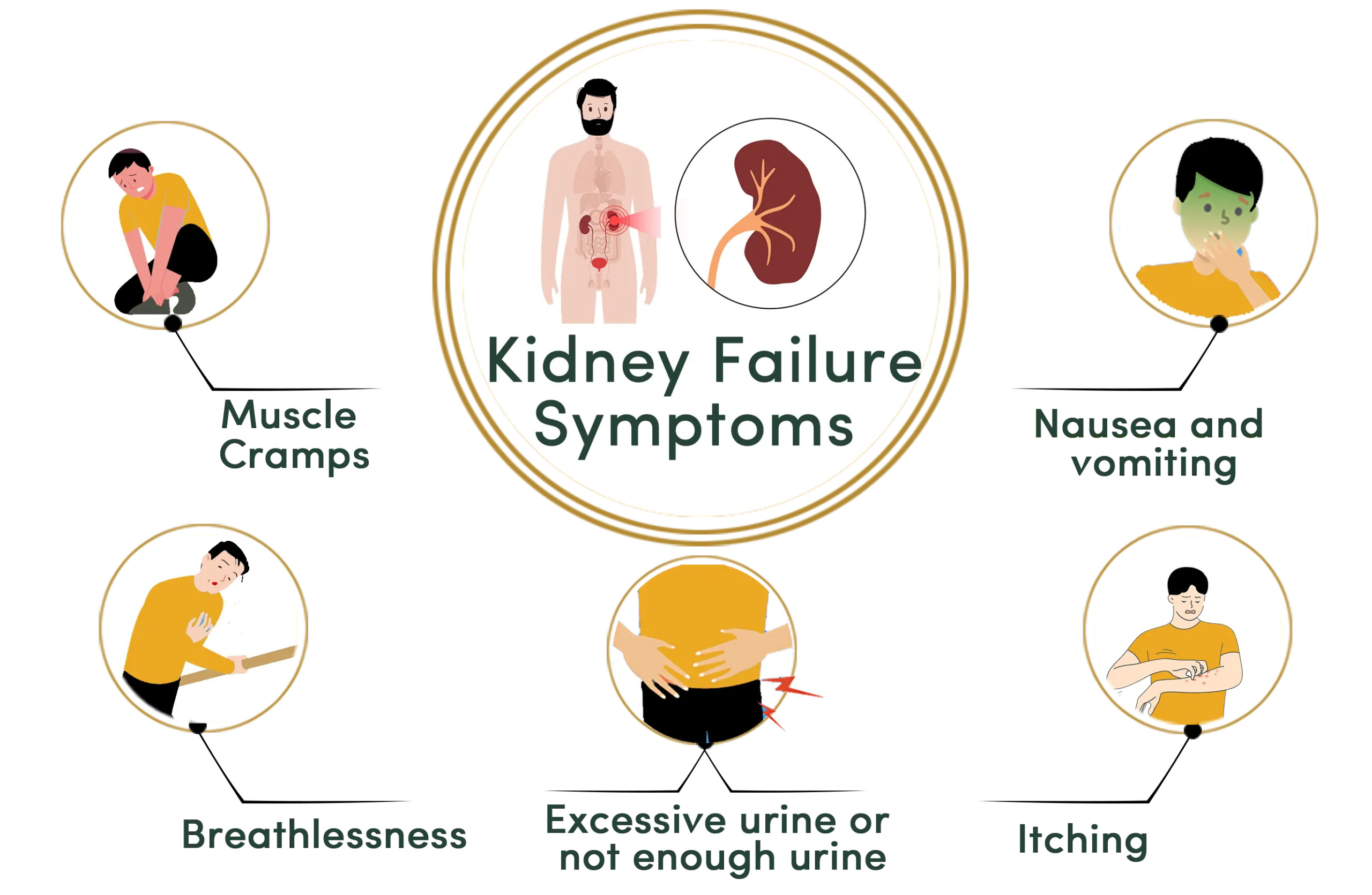
- Edema: Unexplained swelling in the ankles, feet, or hands caused by fluid retention.
- Urinary Changes: A noticeable decrease in urine output or the presence of foamy urine, which may indicate protein leakage.
- Fatigue: Extreme tiredness resulting from the buildup of waste products in the blood (uremia).
- Shortness of Breath: Fluid buildup in the lungs due to the kidneys’ inability to remove excess liquid.
Diagnostic Markers
Healthcare providers typically use two main tests to determine if a weight loss drug is affecting the kidneys:
- Serum Creatinine Test: A blood test that measures creatinine, a waste product. High levels suggest the kidneys are not filtering effectively.
- Glomerular Filtration Rate (GFR): A calculation based on blood and urine tests that determines how well the kidneys are cleaning the blood.
Common misconceptions about Orlistat and Kidney Health
There are several misunderstandings regarding the FDA’s warning that consumers should clarify with a professional.
Misconception 1: “Alli causes kidney failure in everyone.”
This is incorrect. The FDA warning is a cautionary measure. Most users do not experience kidney issues. The risk is concentrated among those with pre-existing vulnerabilities.
Misconception 2: “Because it’s not absorbed into the blood, it can’t hurt the kidneys.”
While orlistat has low systemic absorption, the body’s overall metabolic response to weight loss, changes in diet, and the potential for rare systemic absorption in some individuals can still impact renal function.
Misconception 3: “I can stop taking my blood pressure meds and just use Alli.”
This is dangerous. Hypertension is a primary cause of kidney damage. Combining unmanaged high blood pressure with a drug that carries a kidney warning increases the overall risk of renal failure.
Regulatory implications for OTC drug manufacturers
The FDA’s decision to issue a new warning forces manufacturers to update their supply chains. This involves redesigning packaging, updating digital marketing materials, and notifying pharmacy chains. For the company producing Alli, this means a shift in how the product is positioned to the consumer.
From a legal standpoint, updated warnings protect manufacturers from liability while protecting consumers from harm. If a manufacturer fails to update a label after the FDA identifies a risk, they may face regulatory fines or lawsuits. Consequently, the “Drug Facts” panel is now the most legally significant part of the product’s branding.
Industry analysts suggest that this move may push some consumers toward more supervised weight loss options, as the “self-diagnose and treat” model of OTC weight loss becomes more complex with the addition of organ-specific warnings.
How to safely manage weight loss medication
To mitigate the risks associated with the FDA’s kidney warning, users should adopt a structured approach to medication management. Weight loss is a systemic process that affects blood pressure, glucose levels, and organ function.
Recommended safety steps include:
- Baseline Testing: Get a blood test to check kidney function (Creatinine/GFR) before starting any weight loss medication.
- Medication Audit: Review all current prescriptions with a pharmacist to ensure no interactions between Alli and other renal-stressing drugs (like certain NSAIDs or ACE inhibitors).
- Hydration: Maintain consistent water intake, as dehydration can exacerbate kidney stress during weight loss.
- Scheduled Check-ups: For those on long-term orlistat therapy, quarterly or bi-annual kidney function tests are advisable.
For those interested in alternative approaches, a guide to sustainable weight loss strategies can provide non-pharmacological options.
Frequently Asked Questions
Should I stop taking Alli immediately because of the kidney warning?
According to general medical guidance, you should not stop a prescribed or recommended medication without consulting your doctor. However, if you have a history of kidney disease or are experiencing symptoms like swelling or decreased urination, contact a healthcare provider immediately to evaluate your risk.
Is the kidney risk higher with Alli than with other weight loss pills?
The FDA monitors all weight loss drugs differently based on their chemical composition. Orlistat’s risk profile is specific to its mechanism as a lipase inhibitor. Other drugs, such as GLP-1s, have their own distinct sets of warnings (e.g., pancreatitis or thyroid risks). The “higher” risk depends entirely on the individual’s specific health history.
Can the kidney damage caused by Alli be reversed?
Renal impairment varies. Acute kidney injury (AKI) can sometimes be reversed if the offending agent is removed and the patient is treated. Chronic kidney disease (CKD), however, is generally permanent, though its progression can be slowed. A nephrologist is the only professional qualified to determine the reversibility of kidney damage.
Does the FDA warning apply to generic orlistat?
Yes. The FDA’s safety warnings typically apply to the active ingredient. Any product containing orlistat, whether branded as Alli, Xenical, or a generic version, is subject to the same safety concerns regarding renal health.
How can I tell if my kidneys are struggling while taking Alli?
Watch for “pitting edema” (where pressing your finger into a swollen ankle leaves an indentation), a significant drop in how often you urinate, or unexplained shortness of breath. The most accurate way to tell is through a serum creatinine blood test ordered by a physician.
