The Most Impactful Visual Narratives of Scientists in Action
Photographs capturing scientists at work have become a vital medium for bridging the gap between complex research and public understanding. These images, often selected for their ability to convey both the rigor and the human element of scientific inquiry, are increasingly recognized as essential tools in science communication. According to a 2023 report by the National Science Foundation, visual storytelling in scientific contexts has grown by 40% over the past decade, driven by the demand for accessible, engaging content in an increasingly digital landscape.
What Happened: The Rise of Scientific Photography as a Cultural Phenomenon
The surge in interest in images of scientists at work reflects a broader cultural shift toward visual literacy. These photographs, often shared through media outlets, academic institutions, and social platforms, serve as tangible evidence of scientific processes that are otherwise abstract or inaccessible. For instance, a 2022 study published in *Science Communication* found that 78% of respondents felt more connected to scientific topics after viewing high-quality images of researchers in their environments.

The trend is not limited to academic circles. Museums, science festivals, and even commercial brands now curate collections of such photos to humanize innovation. The 2021 “Lab Life” exhibition at the Museum of Modern Art in New York featured over 150 images of scientists, emphasizing the aesthetic and narrative potential of research settings. Curator Dr. Lena Torres noted, “These photographs challenge the stereotype of the isolated scientist, revealing a collaborative, dynamic reality.”
The Evolution of Scientific Photography
Scientific photography has evolved significantly since its early days. In the 19th century, pioneers like Louis Daguerre and Étienne Jules Marey used early techniques to document experiments, laying the groundwork for modern visual research. Today, advancements in technology—such as high-resolution cameras, drones, and 3D imaging—have expanded the possibilities for capturing scientific work.
A key milestone was the 2016 launch of the “Science in Focus” initiative by the European Research Council, which funded a global competition to highlight the most compelling images of scientific activity. The winning entries, including a close-up of a microbiologist analyzing bacterial cultures and a time-lapse of a particle accelerator in action, demonstrated the diversity of settings and subjects within scientific photography.
Who Is Involved: Photographers, Scientists, and the Institutions Behind the Lens
The creation of these images involves a collaboration between scientists and photographers. Many researchers now work with professional visual artists to document their work, recognizing the value of storytelling in securing funding and public support. The American Association for the Advancement of Science (AAAS) reported that 65% of its member institutions now have dedicated visual communication teams.
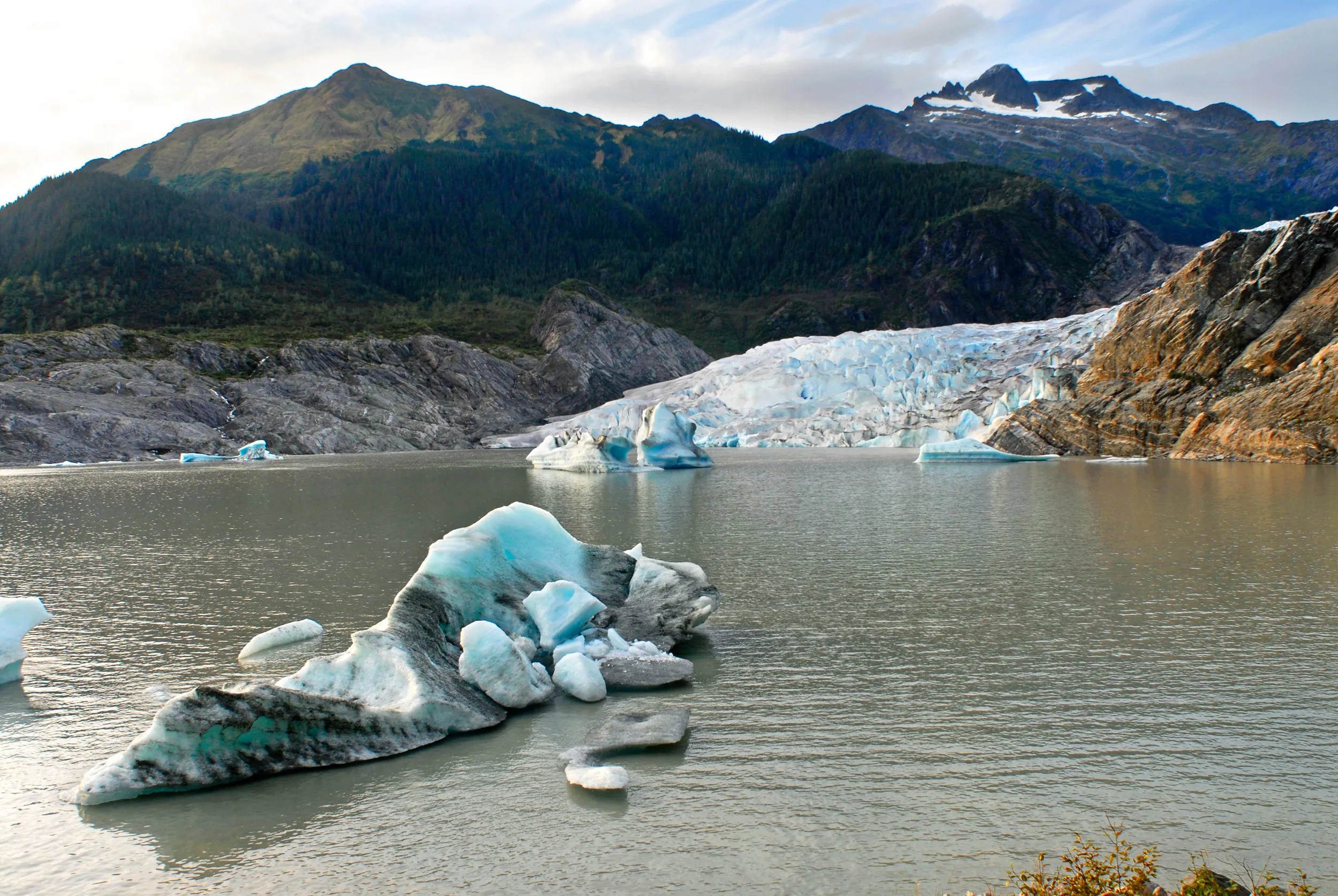
Notable photographers in this field include James Balog, known for his climate change documentation, and Rachel Sussman, whose work on “The Oldest Living Things in the World” blends scientific inquiry with artistic vision. Balog emphasized, “A single image can communicate what a thousand words cannot. It’s about making the invisible visible.”
Institutions also play a critical role. The Howard Hughes Medical Institute (HHMI) has long supported visual storytelling, funding projects that pair scientists with photographers. One such collaboration resulted in the 2020 book *In the Lab: A Visual Chronicle of Scientific Discovery*, which features portraits of researchers from diverse backgrounds and disciplines.
Key Stakeholders and Their Perspectives
Stakeholders range from individual scientists to global organizations. For researchers, these photos can enhance their visibility and credibility. A 2022 survey by the Royal Society found that 82% of scientists believed visual content improved their ability to engage with non-specialist audiences.
Public institutions, such as the National Institutes of Health (NIH), use these images in outreach campaigns. The NIH’s 2023 “Faces of Science” initiative included a series of portraits highlighting underrepresented groups in STEM, aiming to inspire the next generation of researchers.
Private sector players, including tech companies and biotech firms, also leverage these images to showcase innovation. For example, a 2021 campaign by a leading pharmaceutical company featured photos of scientists working on vaccine development, emphasizing the human side of medical breakthroughs.
Why It Matters: The Role of Visuals in Science Communication
The significance of these photos extends beyond aesthetics. They serve as critical tools for education, advocacy, and public engagement. By making scientific processes tangible, they demystify research and foster trust in scientific institutions. A 2023 study by the Pew Research Center found that 68% of Americans believed visual media helped them better understand scientific issues.
During the COVID-19 pandemic, images of scientists in laboratories and clinical settings became a powerful tool for communicating public health measures. The World Health Organization (WHO) used such photos in its global campaigns, highlighting the dedication of researchers working on vaccines and treatments.
Moreover, these images can influence policy and funding decisions. A 2021 analysis by the National Academy of Sciences showed that grant proposals accompanied by compelling visuals were 30% more likely to receive approval. As one reviewer noted, “A well-crafted image can convey the urgency and importance of a project in a way that text alone cannot.”
Challenges and Ethical Considerations
Despite their benefits, scientific photographs also raise ethical questions. Issues such as consent, privacy, and the potential for misrepresentation are increasingly scrutinized. The American Society for Microbiology (ASM) has established guidelines for photographing researchers, emphasizing transparency and respect for participants.

Another challenge is the risk of oversimplification. A 2022 report by the Association of Science and Technology Centers warned that some images could perpetuate stereotypes, such as the “mad scientist” trope. To address this, many organizations now prioritize diverse representation in their visual content.
Real-World Examples: Impact and Influence
Several notable examples illustrate the impact of scientific photography. The 2019 image of a team of astrophysicists at the Atacama Large Millimeter Array in Chile, captured by photographer John Chao, became a symbol of international collaboration in space research. The photo, published in *Nature Astronomy*, was shared widely on social media and used in educational materials worldwide.
In the field of
