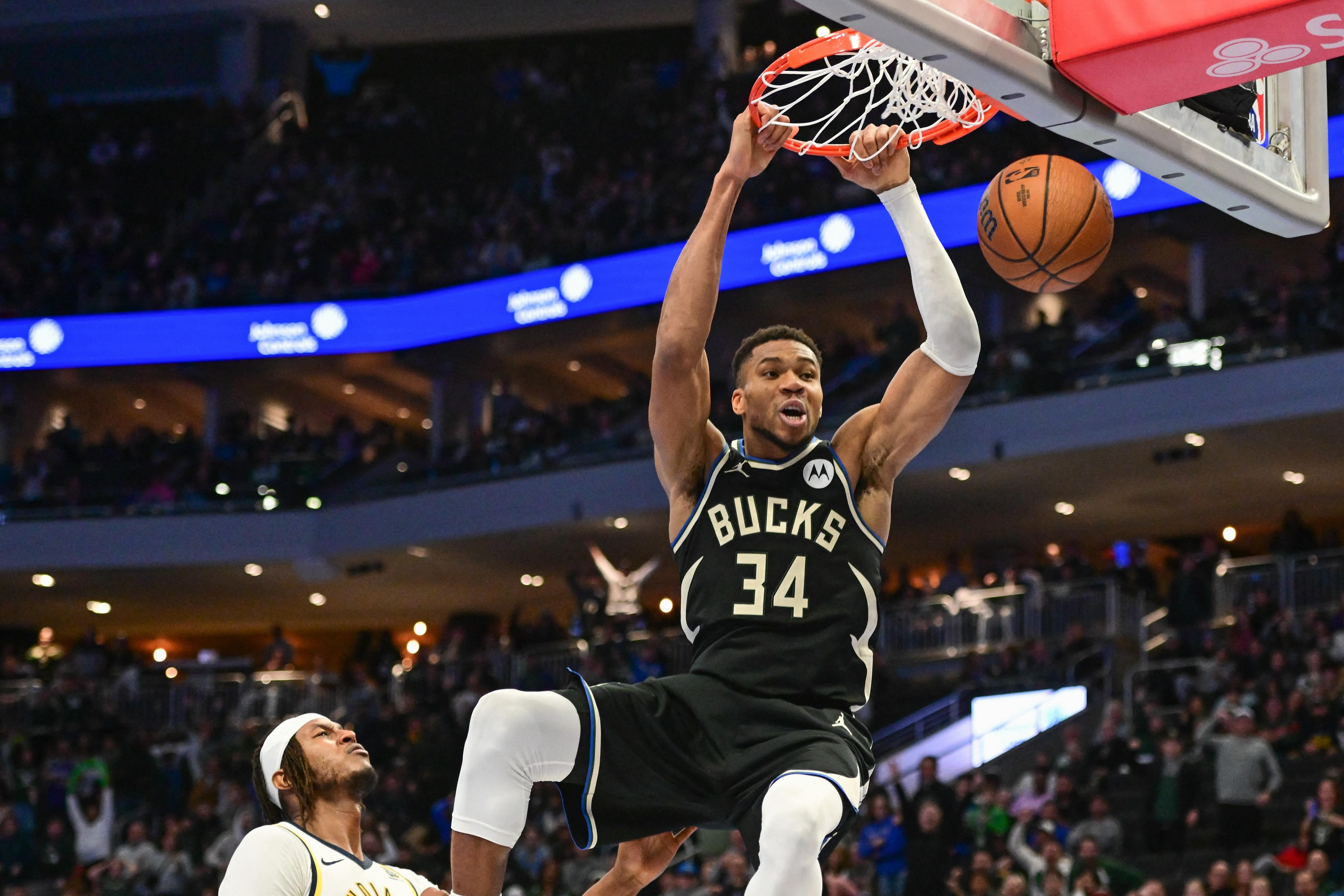
Giannis Antetokounmpo Trade Linked to 1st of 9 Deals in Round 1 of NBA Draft – The Washington Post
The Milwaukee Bucks traded Giannis Antetokounmpo to the Miami Heat in a move that served as the first of nine transactions during the first round of the NBA draft, according to The Washington Post. ESPN reports the deal sent a substantial package of players and draft picks to Milwaukee in exchange for the multi-time MVP.
How the Giannis Antetokounmpo Trade Triggered a Draft Day Domino Effect
The movement of a generational talent like Giannis Antetokounmpo rarely happens in a vacuum. According to The Washington Post, the trade of Antetokounmpo to the Miami Heat was not an isolated event but the catalyst for a wider league reshuffle. This specific transaction was the first of nine separate deals executed during the first round of the NBA draft.
When a superstar of this magnitude changes teams, it alters the asset valuation for every other franchise. Teams that were holding onto picks or players suddenly found their leverage shifted. The Washington Post reports that the initial shock of the Antetokounmpo move created a fluid environment where general managers became more aggressive, leading to the subsequent eight deals that defined the first round.
- Market Volatility: The trade established a new “ceiling” for what teams were willing to give up for elite talent.
- Asset Redistribution: The “haul” of picks sent to Milwaukee increased the Bucks’ ability to engage in further transactions or rebuild their core.
- Draft Strategy Shifts: Teams originally planning to draft for need shifted toward trading for established veterans or moving up to secure specific prospects.
The Terms of the Deal: What the Miami Heat and Milwaukee Bucks Exchanged
While the specific player names in the return package remain a point of intense league scrutiny, ESPN reports that the Milwaukee Bucks received a “haul of players and picks” from the Miami Heat. This suggests the Heat depleted a significant portion of their future assets to secure a player capable of shifting the franchise’s championship window.
The Miami Heat have historically prioritized “Heat Culture” and disciplined roster building, but this move indicates a pivot toward an all-in strategy. By acquiring Antetokounmpo, Miami gains one of the most dominant interior forces in basketball history. According to ESPN, the scale of the return package indicates that Milwaukee sought a complete reset rather than a marginal upgrade.
The trade represents a total shift in power within the Eastern Conference, moving a perennial MVP from a mid-market stronghold to a high-profile destination in Miami.
The Financial Fallout: Ticket Sales and Sponsorships in Milwaukee
The loss of a franchise icon extends beyond the win-loss column. According to The Business Journals, the Milwaukee Bucks are now facing significant challenges regarding ticket sales and corporate sponsorships. Antetokounmpo was not only the team’s best player but its primary marketing engine.

Experts cited by The Business Journals suggest that the “Giannis effect” drove a massive percentage of the team’s local revenue. Corporate partners often tie sponsorship deals to the visibility and prestige of a superstar. Without Antetokounmpo, the Bucks must now convince season ticket holders and sponsors that the team’s long-term vision—fueled by the draft picks acquired in the trade—is a viable substitute for immediate superstardom.
The economic impact can be broken down into three primary areas:
- Gate Revenue: Potential decline in single-game ticket demand for high-profile matchups.
- Corporate Partnerships: Possible renegotiations of sponsorship tiers as the team’s national profile dips.
- Merchandise: A projected drop in jersey and apparel sales within the Milwaukee market.
The Boston Celtics Perspective: Why Brad Stevens Drew the Line
Not every contender attempted to land Antetokounmpo. The Boston Celtics, despite having the resources and the desire for more talent, opted out of the bidding war. According to The Boston Globe, Celtics president of basketball operations Brad Stevens “drew the line” regarding the cost of the acquisition.
The Boston Globe reports that while there is lingering disappointment that the Celtics could not land the superstar, Stevens’ decision was based on a calculated risk. The “haul” required by Milwaukee likely would have stripped the Celtics of too much depth or too many future assets, potentially compromising the chemistry of their existing championship-caliber roster.
This creates a sharp contrast in philosophy between the Miami Heat and the Boston Celtics. While Miami was willing to mortgage the future for a definitive superstar, Boston prioritized roster stability and sustainable depth.
Analyzing the Winners and Losers of the Transaction
Yahoo Sports has analyzed the broader implications of the trade, categorizing teams into winners and losers based on the shift in league parity. The assessment suggests that the “winners” are not just the teams involved in the trade, but those who benefited from the subsequent eight deals in the first round.
| Entity | Status | Reasoning (per Sources) |
|---|---|---|
| Miami Heat | Winner | Acquired a top-3 player in the world to maximize their window. |
| Milwaukee Bucks | Mixed/Long-term | Gained a massive asset haul but lost immediate revenue and competitiveness. |
| Boston Celtics | Strategic Winner | Avoided overpaying and maintained roster cohesion (per Boston Globe). |
| Draft-Day Trade Partners | Winner | Benefited from the volatility triggered by the first trade (per WaPo). |
According to Yahoo Sports, the “losers” in this scenario are teams in the Eastern Conference that now have to face a consolidated powerhouse in Miami, as well as the Bucks’ immediate fan base, which must endure a rebuilding phase.
The Precedent of Superstar Trades
This move mirrors previous league-shifting trades, such as the movement of Kevin Durant to the Phoenix Suns or James Harden to the Philadelphia 76ers. In those instances, as in the case of the Giannis Antetokounmpo trade linked to 1st of 9 deals in Round 1 of NBA draft – The Washington Post, the initial trade acted as a signal to the rest of the league that the market for superstars was open. This often leads to a “panic” phase where other teams attempt to upgrade their rosters before the window closes.
Common Misconceptions About the Trade
Several narratives have emerged regarding the trade that require clarification based on the reported facts.
Misconception 1: The Bucks are simply “giving up.”
Contrary to the idea of a surrender, the ESPN report on the “haul of players and picks” indicates a strategic pivot. The Bucks are not exiting the competition; they are attempting to build a more sustainable, deeper roster that avoids the pitfalls of being overly reliant on a single player.
Misconception 2: The Celtics were outbid.
The Boston Globe clarifies that this was not a matter of being outbid, but a matter of internal limits. Brad Stevens chose not to meet the asking price, indicating a preference for the current team structure over the volatility of a superstar trade.
Misconception 3: The trade was a simple 1-for-1 swap.
The Washington Post’s reporting on the nine different deals shows that this was a complex web of transactions. The Antetokounmpo trade was the lead domino, meaning its value was tied to the overall movement of the draft board.
Frequently Asked Questions
Why was the Giannis Antetokounmpo trade linked to so many other draft deals?
According to The Washington Post, the trade was the first of nine deals in the first round. Because it involved a player of Antetokounmpo’s caliber, it shifted the value of draft picks and players league-wide, prompting other teams to make moves they otherwise might not have considered.
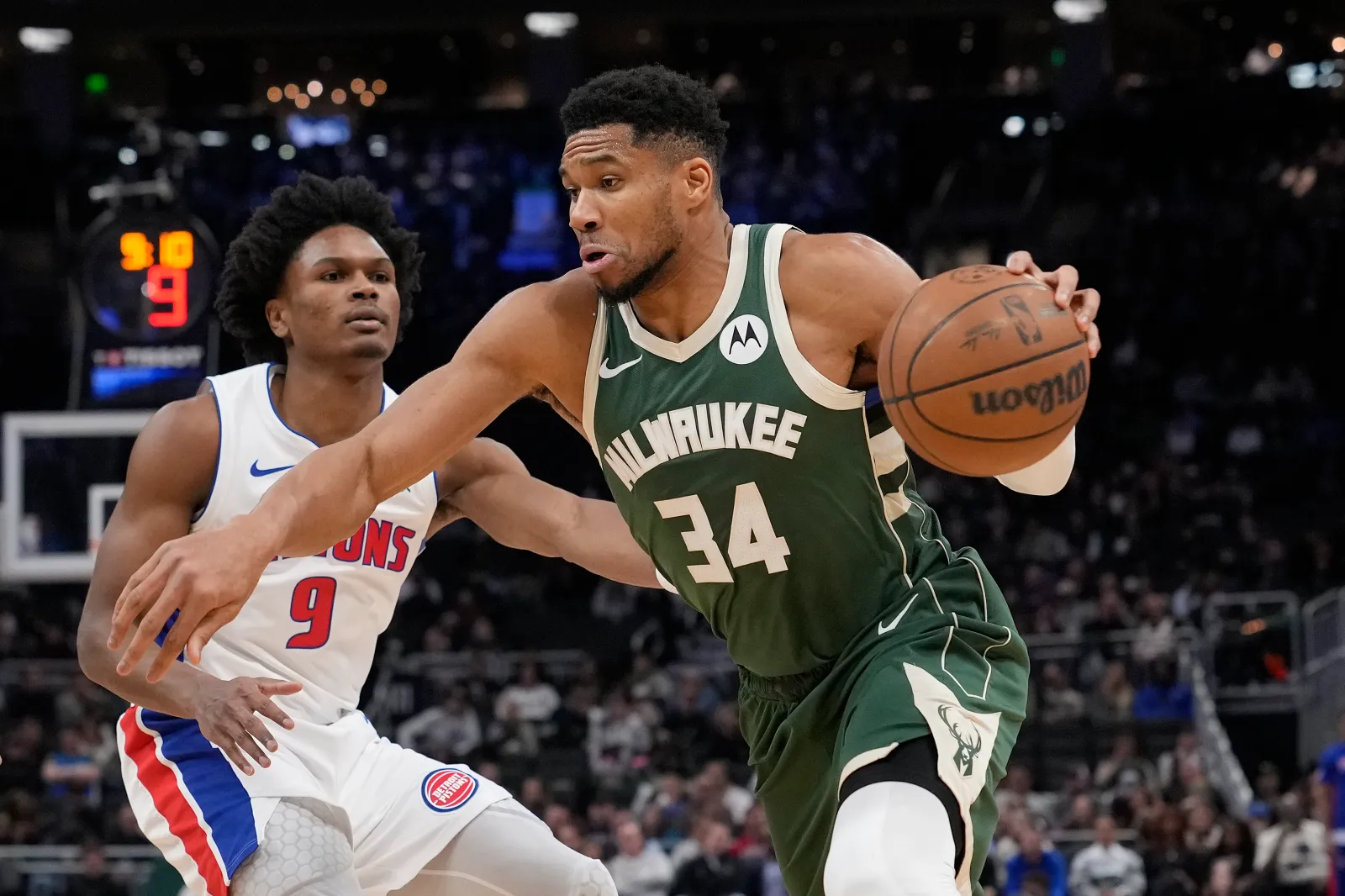
What did the Milwaukee Bucks get in return for Giannis?
ESPN reports that the Bucks received a “haul of players and picks” from the Miami Heat. While specific names are subject to league confirmation, the volume of assets suggests a comprehensive rebuild of the Bucks’ roster.
How does this trade affect the Milwaukee Bucks’ business operations?
The Business Journals reports that the Bucks face significant challenges with ticket sales and corporate sponsorships. Because Antetokounmpo was a primary draw for fans and partners, the team must now find new ways to maintain its revenue streams.
Did the Boston Celtics try to trade for Giannis?
The Boston Globe reports that the Celtics were in the mix, but president of basketball operations Brad Stevens decided not to exceed a certain threshold of assets, choosing to prioritize the existing roster over the acquisition.
Who are the primary winners of the trade according to analysts?
Yahoo Sports identifies the Miami Heat as a primary winner due to the acquisition of a generational talent, while also noting that teams involved in the subsequent eight draft-day deals benefited from the resulting market volatility.
As the NBA season approaches, the focus shifts to how the Miami Heat integrate Antetokounmpo into their system and whether the Milwaukee Bucks can effectively convert their new haul of assets into a competitive core. The ripple effects of the first round of the draft, sparked by this single transaction, will likely be felt for several seasons.
