
Global football stars are utilizing luxury automotive partnerships to monetize their public images, with athletes such as Kylian Mbappé and Robert Lewandowski representing distinct corporate strategies between established European luxury brands and expanding Chinese manufacturers, according to local media reports.
Why do athletes partner with specific automotive brands?
The choice of vehicle for elite athletes often functions as a strategic business decision rather than a personal preference. According to local media reports, these arrangements are typically structured as endorsement deals where the athlete serves as a brand ambassador. In exchange for high-value contracts or complimentary fleets, players provide the manufacturer with global visibility and an association with success and peak performance.
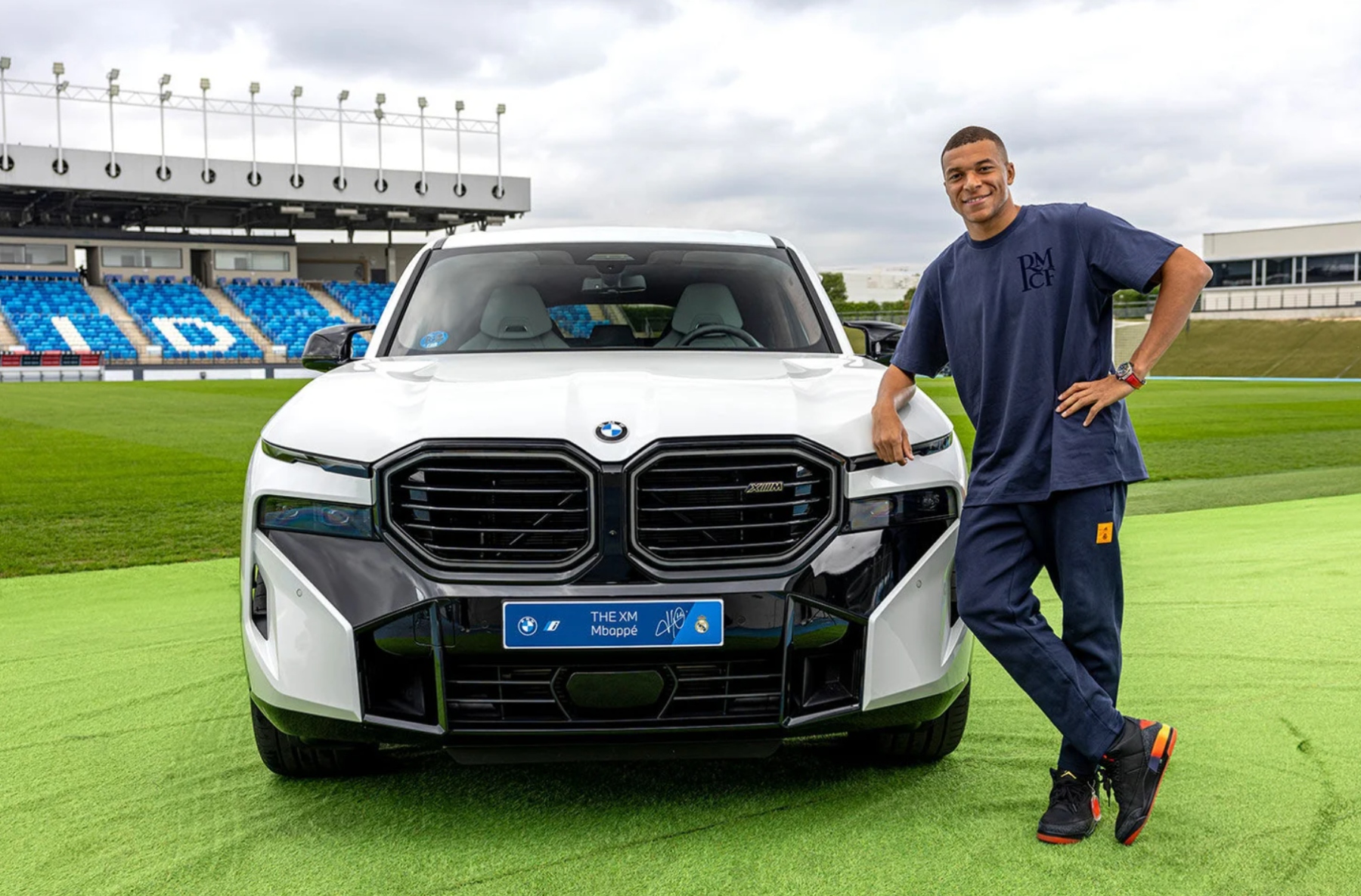
For an athlete like Kylian Mbappé, the partnership with BMW aligns a high-profile personal brand with an established symbol of German engineering and luxury. This type of partnership is a maintenance strategy for the manufacturer, reinforcing its status among the global elite and maintaining its position in the luxury segment.
How Chinese manufacturers use football to enter European markets
The partnership between Robert Lewandowski and Chery represents a different economic objective: market penetration. While BMW is a household name in Europe, Chinese brands like Chery are aggressively seeking to establish trust and recognition in Western markets.
By securing a partnership with a world-renowned athlete, a manufacturer can bypass traditional brand-building timelines. According to local media reports, using a figure like Lewandowski allows a brand to instantly acquire “social proof,” leveraging the player’s existing credibility to make a foreign brand feel familiar and reliable to European consumers.
What is the economic value of these endorsements?
These deals operate as a form of targeted marketing. For the automotive companies, the cost of the endorsement is weighed against the potential increase in sales and brand equity. The visibility gained when a player arrives at a stadium or appears in social media content provides a direct line to millions of consumers.
The divergence in brand choices—from traditional luxury to emerging challengers—highlights a shift in the automotive industry’s competitive landscape. Established brands focus on prestige, while newer entrants use high-profile athletes to disrupt the market and challenge the dominance of European manufacturers.
