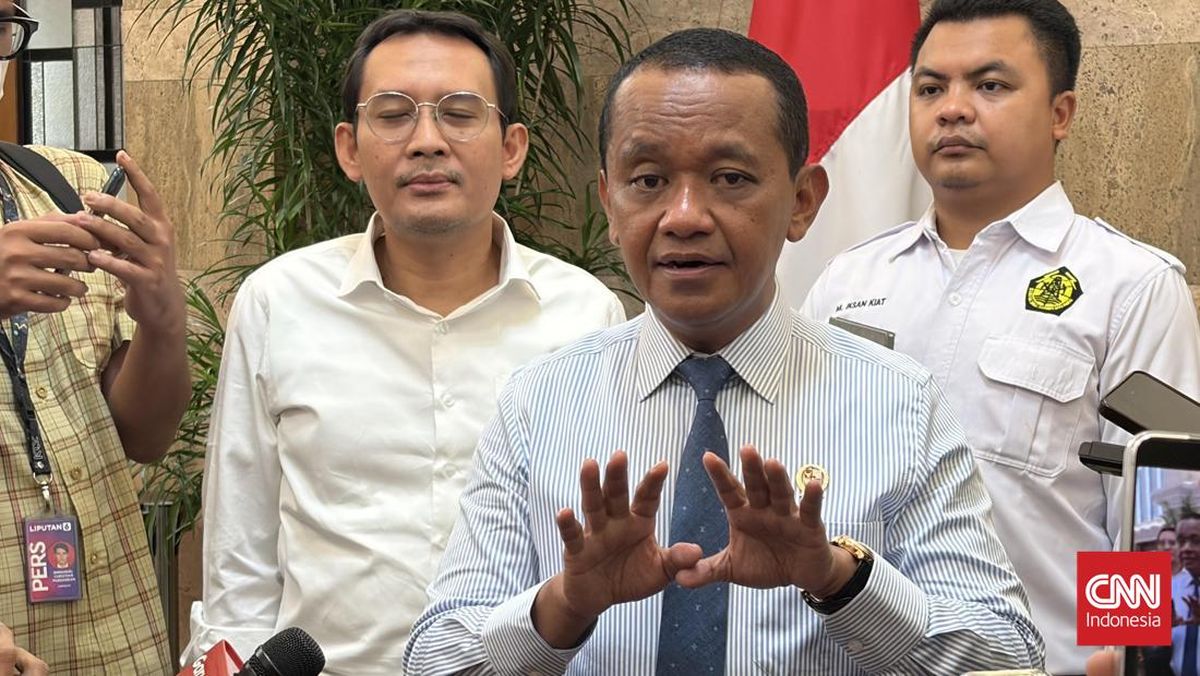
Indonesia imports 1 million barrels of oil daily and 20 million kiloliters of gasoline to sustain its energy needs, according to Investment Minister Bahlil Lahadalia. In response to these pressures, the government is opening tenders for 120 new oil wells and prioritizing renewable energy programs to ensure long-term energy security.
- Oil Imports: Daily imports have reached 1 million barrels.
- Gasoline Imports: Total imports stand at 20 million kiloliters.
- Expansion: Tenders are open for the exploration of 120 new oil wells.
- Strategy: Renewable energy (EBT) mandates remain active regardless of geopolitical shifts.
Scaling Up Domestic Oil Exploration
The Indonesian government is attempting to curb its reliance on foreign energy by aggressively expanding domestic production. According to reports from Tirto.id, Investment Minister Bahlil Lahadalia has opened tenders for the exploration of 120 new oil wells. This industrial push aims to discover new reserves to offset the current deficit in domestic production.
The move comes as the country struggles with high import volumes. Bahlil stated that oil imports have hit 1 million barrels per day, a figure that highlights the gap between national consumption and local extraction capabilities, according to Republika.
Managing Import Dependencies and Market Friction
The scale of Indonesia’s energy imports has created significant friction with domestic stakeholders. Bahlil revealed that importers have expressed anger over the 20 million kiloliters of gasoline being brought into the country, according to CNN Indonesia. This volume underscores a systemic dependency on imported refined products to maintain national fuel stability.
The government is balancing these immediate supply needs against the volatility of global markets. While the 120-well exploration project represents a long-term infrastructure play, the current import levels reflect a critical short-term necessity to avoid fuel shortages.
Geopolitical Risks and the Renewable Energy Mandate
Energy security remains a priority amid tensions between the United States and Iran. Bahlil claimed that Indonesia’s energy supplies are secure even in the event of a conflict between the two nations, according to detikFinance.
However, the National Energy Council (DEN) maintains that geopolitical stability should not slow the transition to cleaner power. According to CNBC Indonesia, the DEN stated that New and Renewable Energy (EBT) programs must continue to operate regardless of whether peace is achieved between the U.S. and Iran.
This creates a dual-track energy policy: the government is simultaneously investing in traditional fossil fuel extraction through new well tenders while legally mandating the growth of renewable energy technology to reduce future vulnerability to global oil shocks.
