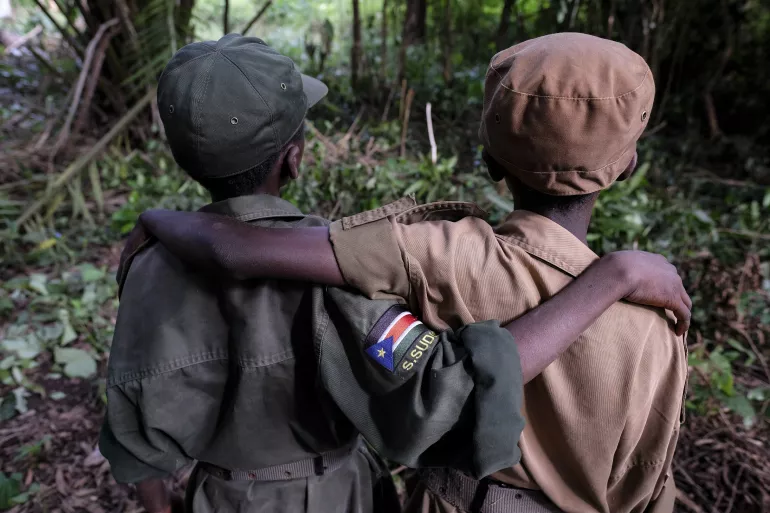
India Calls for Stronger Protection of Children’s Education During Armed Conflicts
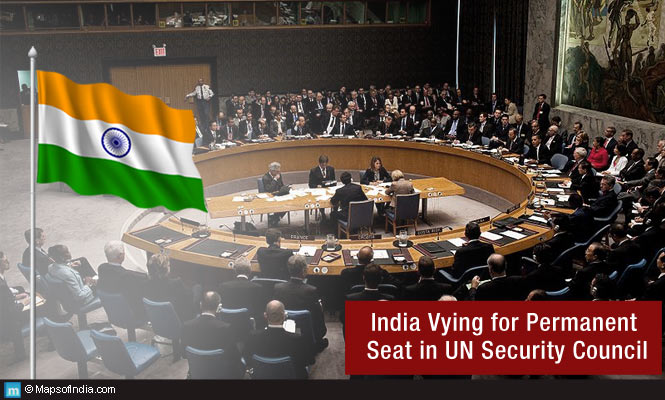
India has urged the United Nations to establish strict accountability for attacks on schools and children in conflict zones, arguing that the right to education must be preserved even during armed hostilities. During a Security Council open debate, Indian representatives emphasized that educational facilities must remain safe havens, calling for global mechanisms to punish those who target students and teachers, according to reports from Telangana Today and the South Asian Herald.
Why is India demanding accountability for school attacks?
India’s position centers on the belief that the disruption of education during war creates a generational vacuum that fuels future instability. According to reports by Telangana Today, India specifically called for accountability, suggesting that without consequences for perpetrators, schools will continue to be targeted or used for military purposes.
The Indian delegation argued that education is not merely a social service but a fundamental right that remains applicable regardless of a state’s conflict status. By focusing on “accountability,” India is pushing the UN Security Council to move beyond condemnatory statements and toward actionable legal or diplomatic penalties for parties that violate the sanctity of educational spaces.
Key points of India’s argument include:
- The Sanctity of Schools: Educational institutions should be recognized as neutral zones, exempt from military operations.
- Legal Consequences: The need for a transparent system to document attacks on schools and hold responsible parties accountable under international law.
- Long-term Recovery: The assertion that post-conflict reconstruction is impossible without a preserved educational foundation.
This push for accountability reflects a broader strategy to ensure that the “Children and Armed Conflict” (CAAC) mandate of the UN is enforced with more than just monitoring, but with actual repercussions for violators.
How do Nordic countries and China view the protection of children in war?
While India focused heavily on the educational aspect and accountability, other member states presented complementary but distinct perspectives during the Security Council sessions. A joint statement on behalf of the Nordic countries, as reported by Suomi ulkomailla, highlighted a broader systemic approach to the protection of children in armed conflict.

The Nordic countries emphasized the need for comprehensive protection frameworks that address not only education but also the prevention of child recruitment by armed groups and the provision of psychosocial support for traumatized youth. Their approach focuses on the holistic well-being of the child, integrating humanitarian aid with long-term rights-based protections.
Conversely, the Chinese envoy took a more macro-political approach. According to reporting from Bastille Post, China called for intensified efforts to end conflicts entirely as the primary means of improving children’s well-being. The Chinese position suggests that while protection measures are necessary, they are secondary to the cessation of hostilities. In this view, the “well-being” of children is a direct byproduct of peace negotiations and the resolution of the underlying political drivers of war.
| Nation/Group | Primary Focus | Proposed Solution |
|---|---|---|
| India | Education & Accountability | Punishing attackers of schools and ensuring educational continuity. |
| Nordic Countries | Holistic Rights & Protection | Joint frameworks to stop child recruitment and provide mental health support. |
| China | Conflict Resolution | Ending the wars themselves to naturally restore children’s well-being. |
What are the implications of disrupted education in conflict zones?
The disruption of schooling during armed conflict does not simply result in a gap in learning; it creates a systemic vulnerability that affects regional security. When schools close, children are more susceptible to recruitment by non-state armed groups, as the vacuum of structure and supervision makes them easy targets for exploitation.
According to the thematic focus of the India Calls for Stronger Protection of Children’s Education During Armed Conflicts – South Asian Herald discourse, the loss of education leads to “lost generations.” This phenomenon occurs when a significant portion of a population misses critical developmental years, leading to lower literacy rates, diminished economic opportunities, and a higher likelihood of returning to violence.
The implications are categorized into three primary risks:
- Security Risks: Idle youth in conflict zones are more likely to be coerced into militia service or criminal activity.
- Economic Stagnation: A lack of basic education prevents the workforce from recovering after a peace treaty is signed, prolonging poverty.
- Psychological Trauma: The loss of the “safe space” provided by a school environment exacerbates the PTSD and anxiety experienced by children in war zones.
By advocating for the protection of education, India is essentially arguing that schools are a security asset. A child in a classroom is a child who is not on a battlefield.
The role of the UN Security Council in enforcing child protections
The UN Security Council (UNSC) serves as the primary body for maintaining international peace and security, but its ability to protect children is often hampered by political deadlock. The “Children and Armed Conflict” (CAAC) mechanism is the main tool used by the UN to monitor violations, including the recruitment of child soldiers and attacks on schools.
.pdf.png "The role of the UN Security Council in enforcing child protections")
“India urges accountability for attacks on schools and children in conflict zones at UN,” as noted by Telangana Today, highlighting a demand for the Council to move from observation to enforcement.
The current process involves a “list of shame”—a report by the Secretary-General that names parties that commit grave violations against children. While this provides visibility, India’s call suggests that visibility is insufficient. The demand is for these listings to lead to tangible sanctions or legal proceedings in international courts.
The Nordic countries’ joint statement supports this by calling for stronger international cooperation to ensure that the rights of children are not negotiated away during peace talks. They argue that child protection must be a non-negotiable prerequisite for any peace agreement.
The challenge of “Military Use” of schools
One of the most contentious issues in these debates is the military use of schools. Armed groups and national armies often occupy school buildings to use them as barracks or ammunition depots. This practice effectively turns a school into a legitimate military target under certain interpretations of international law, thereby endangering students and teachers.
India’s call for protection implicitly targets this practice, suggesting that the use of educational facilities for military purposes should be treated as a violation of international norms that warrants accountability.
How does this align with international humanitarian law?
The protection of children and education in war is governed by several international frameworks, most notably the Geneva Conventions and the UN Convention on the Rights of the Child. These documents establish that civilians, particularly children, must be protected from the effects of hostilities.
However, a gap exists between the law on paper and the reality on the ground. Many conflicts today involve non-state actors who do not feel bound by the Geneva Conventions. This is why India’s emphasis on “accountability” is critical; it seeks to create a global standard where even non-state actors are held responsible through international pressure or targeted sanctions.
The discourse surrounding the India Calls for Stronger Protection of Children’s Education During Armed Conflicts – South Asian Herald topic suggests a shift toward a more aggressive interpretation of these laws—one where the failure to protect a school is seen as a war crime rather than a “collateral” consequence of war.
Comparison of diplomatic approaches to child welfare
When comparing the statements from the UN debate, a clear divide in diplomatic philosophy emerges. India’s approach is punitive and protective, focusing on the consequences of attacking schools. The Nordic approach is systemic and humanitarian, focusing on the overall rights of the child. The Chinese approach is political and foundational, focusing on the termination of the conflict as the only real solution.
These three perspectives represent the primary tensions within the UN Security Council: the desire for justice (India), the desire for human rights (Nordic), and the desire for political stability (China).
Common misconceptions about education in conflict zones
There is a common belief that “emergency education” (such as temporary tents or remote learning) is a sufficient substitute for formal schooling during a war. However, reporting on the ground suggests this is an oversimplification.
First, emergency education often lacks the psychological safety of a permanent school building. A tent does not provide the same sense of security or normalcy as a dedicated school. Second, remote learning is nearly impossible in conflict zones where electricity and internet infrastructure are the first things to be destroyed.
Another misconception is that children in conflict zones only need “basic literacy.” Experts argue that the loss of structured social interaction—which happens in a school—is just as damaging as the loss of academic knowledge. The school is where children learn conflict resolution, social hierarchy, and community trust, all of which are essential for rebuilding a society after a war.
Frequently Asked Questions
What is India’s main demand regarding children in conflict zones?
India is calling for stronger accountability and the punishment of those who target schools and children during armed conflicts. The goal is to ensure that educational facilities are treated as safe havens and that attacks on them result in legal or diplomatic consequences.
How do the Nordic countries’ views differ from India’s?
While India focuses specifically on education and accountability, the Nordic countries advocate for a broader, holistic approach. This includes stopping the recruitment of child soldiers and providing comprehensive mental health and psychosocial support to affected children.
What did China suggest during the UN Security Council debate?
The Chinese envoy argued that the most effective way to improve the well-being of children in conflict zones is to end the conflicts themselves. China emphasizes political resolution and the cessation of hostilities as the primary solution.
Why is the “military use” of schools a problem?
When schools are used as barracks or storage for weapons, they become military targets. This increases the likelihood of schools being bombed or attacked, directly endangering students and teachers and violating the principle of civilian protection.
What is the “list of shame” mentioned in UN reports?
The “list of shame” is a report produced by the UN Secretary-General that identifies parties—both state and non-state—that commit grave violations against children, such as killing, maiming, or recruiting child soldiers.
The ongoing debate at the UN suggests that the international community is moving toward a more rigorous standard of protection. By linking education directly to global security, India has framed the protection of schools not just as a humanitarian act, but as a strategic necessity for long-term peace. The success of these calls will depend on whether the Security Council can move from issuing statements to enforcing accountability.
