Trump to Meet With Mideast Partners on Sidelines of G7 in France – Bloomberg.com
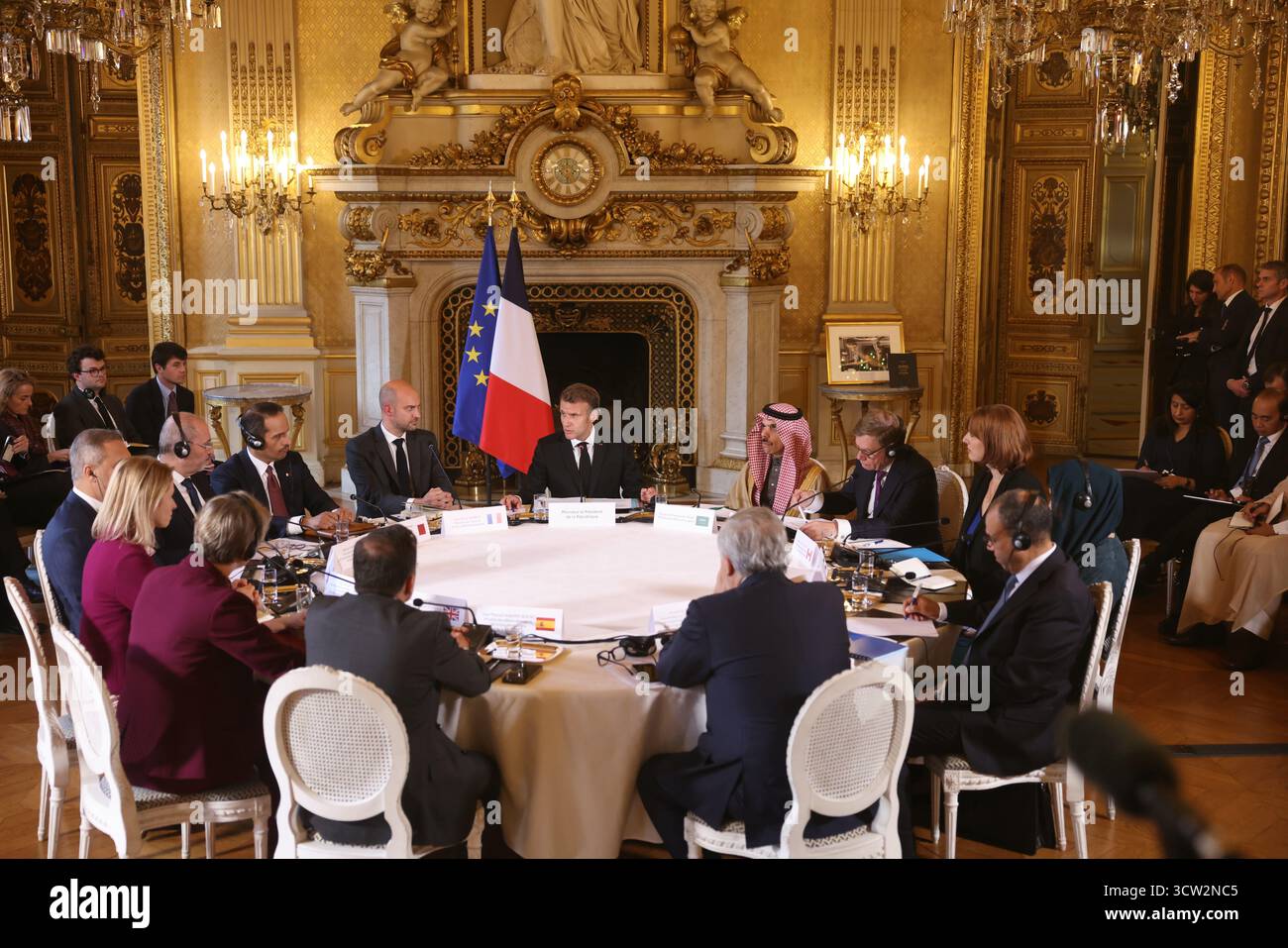
Donald Trump is scheduled to hold meetings with Middle Eastern partners on the sidelines of the G7 summit in France, according to Bloomberg. These discussions aim to strengthen security alliances and economic cooperation amid shifting geopolitical dynamics in the Gulf and Levant regions.
Why is Trump Meeting Middle East Partners at the G7 Summit?
The decision to schedule bilateral meetings during the G7 summit in France reflects a strategy to leverage a high-profile international gathering for targeted regional diplomacy. According to Bloomberg, the primary goal is to synchronize security interests and explore expanded economic partnerships. While the G7 focuses on collective global governance, these sideline meetings allow for direct, bilateral negotiations that bypass the slower multilateral consensus of the G7 group.
Trump has historically prioritized direct relationships with heads of state in the Gulf region. By coordinating these meetings in France, the administration can maintain a presence at the global table while simultaneously advancing a specific Middle East agenda. This “parallel track” diplomacy allows the U.S. to address regional volatility—specifically regarding Iran and maritime security—without needing the explicit agreement of all G7 members on every detail.
Key objectives for these meetings include:
- Security Guarantees: Renegotiating or reaffirming defense pacts and arms sale agreements.
- Economic Diversification: Discussing investment flows between the U.S. and Gulf sovereign wealth funds.
- Regional Normalization: Building on the framework of the Abraham Accords to bring more Arab nations into diplomatic alignment with Israel.
- Energy Stability: Coordinating oil production levels to manage global price volatility.
Who are the Key Participants in These Sideline Discussions?
While the official G7 invitees include the leaders of Canada, France, Germany, Italy, Japan, the United Kingdom, and the United States, the sideline meetings expand this circle. Bloomberg indicates that the focus is on “Mideast partners,” which typically encompasses the primary power brokers of the Gulf Cooperation Council (GCC).
Saudi Arabia remains a central figure. The relationship between the U.S. and Riyadh is anchored in energy markets and counter-terrorism. Discussions are expected to center on the Kingdom’s “Vision 2030” and the security architecture required to protect oil infrastructure from drone and missile threats.
The United Arab Emirates (UAE) is another likely participant. The UAE has positioned itself as a global logistics and financial hub. Its involvement in the Abraham Accords makes it a critical bridge for any U.S.-led efforts to expand normalization in the region.
Qatar often plays a distinct role as a mediator. Given its hosting of a major U.S. airbase and its history of facilitating talks between conflicting parties, Qatar’s presence would likely focus on regional stability and hostage or prisoner negotiations in various conflict zones.
“The use of G7 sidelines for bilateral Mideast diplomacy signals a preference for transactional, high-level agreements over the broader, often slower, multilateral frameworks of the G7 itself.”
The Strategic Context: France as the Backdrop
Hosting these meetings in France adds a layer of European diplomatic complexity. France maintains its own deep, often competing, interests in the Middle East, particularly in Lebanon and North Africa. The French government often advocates for a more balanced approach to regional diplomacy, which can contrast with the more decisive, alliance-based approach favored by Trump.
By meeting partners on French soil, the U.S. effectively demonstrates its ability to lead regional security regardless of the host nation’s specific policy preferences. It also forces a dialogue between the U.S. vision for the Middle East and the European Union’s broader foreign policy goals. This creates a diplomatic tension where the U.S. can signal to its Mideast partners that it remains the primary security guarantor in the region, even while operating within a European framework.
Comparison of Diplomatic Approaches
| Feature | G7 Multilateral Approach | Trump’s Sideline Bilateralism |
|---|---|---|
| Decision Speed | Slow (requires consensus) | Fast (direct negotiation) |
| Primary Goal | Global norms and stability | Specific national/regional interests |
| Scope | Broad (Climate, Trade, Health) | Narrow (Security, Energy, Arms) |
| Method | Joint Communiqués | Direct Agreements/Handshakes |
How Do These Meetings Impact Global Security?
The implications of these meetings extend far beyond the borders of France and the Middle East. The most immediate impact is felt in the containment strategy regarding Iran. According to diplomatic analysts, any alignment between the U.S. and its Gulf partners on the sidelines of the G7 sends a clear message to Tehran about the solidity of the anti-Iran coalition.
Furthermore, these meetings influence the global energy market. Because the U.S. and the Gulf partners control a significant portion of the world’s oil production, any agreement on production quotas or stability measures discussed in France can lead to immediate shifts in global oil prices. This, in turn, affects inflation and economic growth across all G7 nations.
There is also the matter of “arms diplomacy.” The U.S. is the primary supplier of advanced military hardware to the Gulf. Sideline meetings are often where the groundwork for multi-billion dollar defense contracts is laid. These deals not only secure the region but also support the U.S. defense industrial base.
Potential Friction Points in the Negotiations
Despite the shared goals, several points of contention often emerge in these high-level talks:
- Human Rights: European G7 partners often pressure the U.S. to tie security aid to human rights benchmarks, a move Trump has historically resisted in favor of strategic stability.
- Oil Pricing: Gulf nations prefer higher prices to fund their domestic transformations, while the U.S. generally favors lower prices to curb domestic inflation.
- Israel-Palestine: While the Abraham Accords provided a path for some, the unresolved status of the Palestinian territories remains a volatility factor that can complicate diplomatic optics.
Timeline of Key Events Leading to the France Summit
To understand why these meetings are happening now, it is necessary to look at the progression of U.S.-Mideast relations over the last several years. The shift from traditional containment to a model of “normalization” has been the driving force.
- The Abraham Accords: The landmark agreements that normalized relations between Israel and several Arab nations changed the regional calculus, moving the focus from the Palestinian conflict to a shared opposition to Iranian influence.
- Shift in Energy Dependence: As the U.S. became a net exporter of oil and gas, the nature of the U.S.-Saudi relationship shifted from a simple “oil-for-security” trade to a more complex strategic partnership.
- Regional Competition: The rise of the UAE as a financial powerhouse and Saudi Arabia’s aggressive economic diversification have created a competitive dynamic among Gulf partners, making them more eager for U.S. validation and support.
These milestones created the environment where a sideline meeting at a G7 summit is not just a courtesy, but a strategic necessity. The U.S. uses these moments to ensure that its partners do not drift toward other global powers, such as China or Russia, for security or economic needs.
The Role of Economic Interests and Sovereign Wealth Funds
Beyond missiles and treaties, these meetings are heavily focused on capital. The Gulf states possess some of the largest sovereign wealth funds in the world. For the U.S., attracting this capital into American infrastructure, technology, and energy projects is a priority.
According to Bloomberg, the economic discussions likely involve “investment corridors.” These are strategic agreements that facilitate the flow of goods and capital between the U.S., the Gulf, and potentially India (via the IMEC corridor). By discussing these in France, the U.S. can signal to the global market that its economic ties to the Middle East are stable and expanding.
This economic interdependence acts as a security hedge. When Gulf nations have significant assets invested in the U.S. economy, they are more likely to align their foreign policy with U.S. interests to protect those investments. Conversely, the U.S. becomes more invested in the stability of the Gulf to protect the flow of capital.
For more on how these financial ties work, see a related explainer on sovereign wealth funds and global diplomacy.
Common Misconceptions About G7 Sideline Meetings
Many observers assume that the “real” work of a summit happens during the official plenary sessions. In reality, the official sessions are often choreographed for the cameras, resulting in broad, vague statements of agreement. The actual policy shifts and deal-making typically occur in the “sidelines”—the private rooms and one-on-one meetings.
Another common misconception is that these meetings are unplanned. In truth, sideline meetings are meticulously scheduled by diplomatic teams weeks in advance. The “spontaneous” nature of a hallway conversation is usually a carefully timed piece of political theater designed to show accessibility and rapport.
Finally, some believe that these bilateral meetings undermine the G7’s purpose. However, from a realpolitik perspective, they complement it. The G7 provides the legitimacy and the global stage, while the sideline meetings provide the specific results that national leaders need to bring home to their constituents.
What to Watch for Following the Meetings
The success of the meetings in France will not be measured by the joint press conference, but by the actions that follow. Analysts suggest looking for three specific indicators:
- New Defense Contracts: An announcement of new arms sales or security cooperation agreements shortly after the summit.
- Diplomatic Overtures: A sudden increase in diplomatic activity between Israel and a nation that has not yet normalized relations.
- Oil Market Shifts: A change in OPEC+ production targets that aligns with the economic goals discussed in France.
The interaction between Trump and the French leadership will also be a key metric. If the meetings proceed with minimal friction between the U.S. and France, it suggests a temporary truce in the transatlantic divide over Middle East policy. If tensions flare, it may indicate a deeper rift in how the West intends to handle the region’s volatility.
The broader impact will depend on whether these discussions lead to a formalized regional security architecture or remain a series of disconnected bilateral deals. A formalized system would provide long-term stability, whereas bilateral deals are subject to the whims of individual leaders.
For further context on the geopolitical stakes, consider a related analysis of the Abraham Accords’ long-term viability.
Frequently Asked Questions
Why is the G7 summit in France the chosen venue for these meetings?
The G7 provides a secure, high-profile environment where world leaders are already gathered. It allows the U.S. to conduct high-level diplomacy without the logistical burden of a standalone summit, while also signaling to other global powers that the U.S. maintains strong ties with Middle Eastern partners.
Does “on the sidelines” mean the meetings are unofficial?
No. While they are not part of the official G7 plenary agenda, they are official diplomatic encounters. They are scheduled by the State Department and the respective foreign ministries of the participating countries.

How do these meetings differ from standard diplomatic visits?
The proximity to other world leaders creates a unique psychological and political dynamic. Being seen together at a G7 summit provides a level of international prestige and visibility that a standard visit to Washington or Riyadh does not offer.
Will other G7 members be involved in these Mideast discussions?
Generally, no. These are bilateral or small-group meetings. However, the host nation (France) may be briefed or invited to participate in specific segments, depending on the topic and the diplomatic goals of the U.S.
What is the primary risk of conducting diplomacy this way?
The primary risk is the perception of “transactional diplomacy,” where long-term strategic goals are traded for short-term political wins. Additionally, it can alienate G7 partners who feel that the U.S. is pursuing a separate, unilateral agenda in a critical region.
