An Ebola outbreak in a Congolese refugee camp has infected nearly 700 people and killed more than 130, according to data reported by Haarlems Dagblad. UNICEF and other health authorities warn that the virus continues to spread, placing children at particular risk of death.
- Total Infections: Nearly 700 cases.
- Total Deaths: Over 130 fatalities.
- Primary Location: Refugee camp in the Congo.
- High-Risk Group: Children, according to UNICEF.
What are the current infection and death tolls?
The scale of the outbreak has reached a critical point. According to reports from Haarlems Dagblad, the number of Ebola infections has risen to nearly 700. The death toll associated with these cases has surpassed 130.
While the infection count is high, the mortality rate remains a central concern for health officials. These figures highlight the intensity of the transmission within the densely populated environment of the refugee camp.
Why is the virus spreading so quickly?
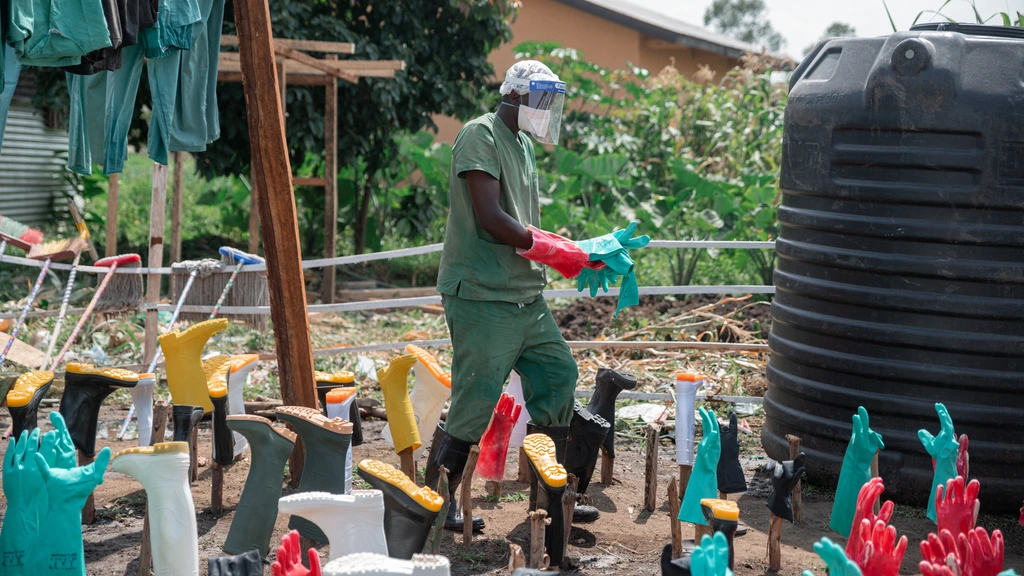
Containment efforts are struggling to keep pace with the biological speed of the virus. De Volkskrant describes the situation as an unfair struggle, noting that the virus is spreading faster than medical personnel can disinfect their equipment and boots.

This gap between the rate of infection and the speed of sanitation protocols complicates the effort to halt the chain of transmission. Public health authorities cited by RD.nl report that the continued spread of the virus remains a source of significant concern.
Who is most vulnerable to the outbreak?
While the entire camp population is at risk, specific demographics face higher dangers. UNICEF has issued a warning that more children are expected to die as a result of the Ebola outbreak if interventions are not scaled up.
The vulnerability of children in refugee settings often stems from limited access to immediate care and the high density of living conditions. NOS reports that there is widespread fear that the virus will spread beyond the current boundaries of the camp, potentially increasing the number of vulnerable patients.
