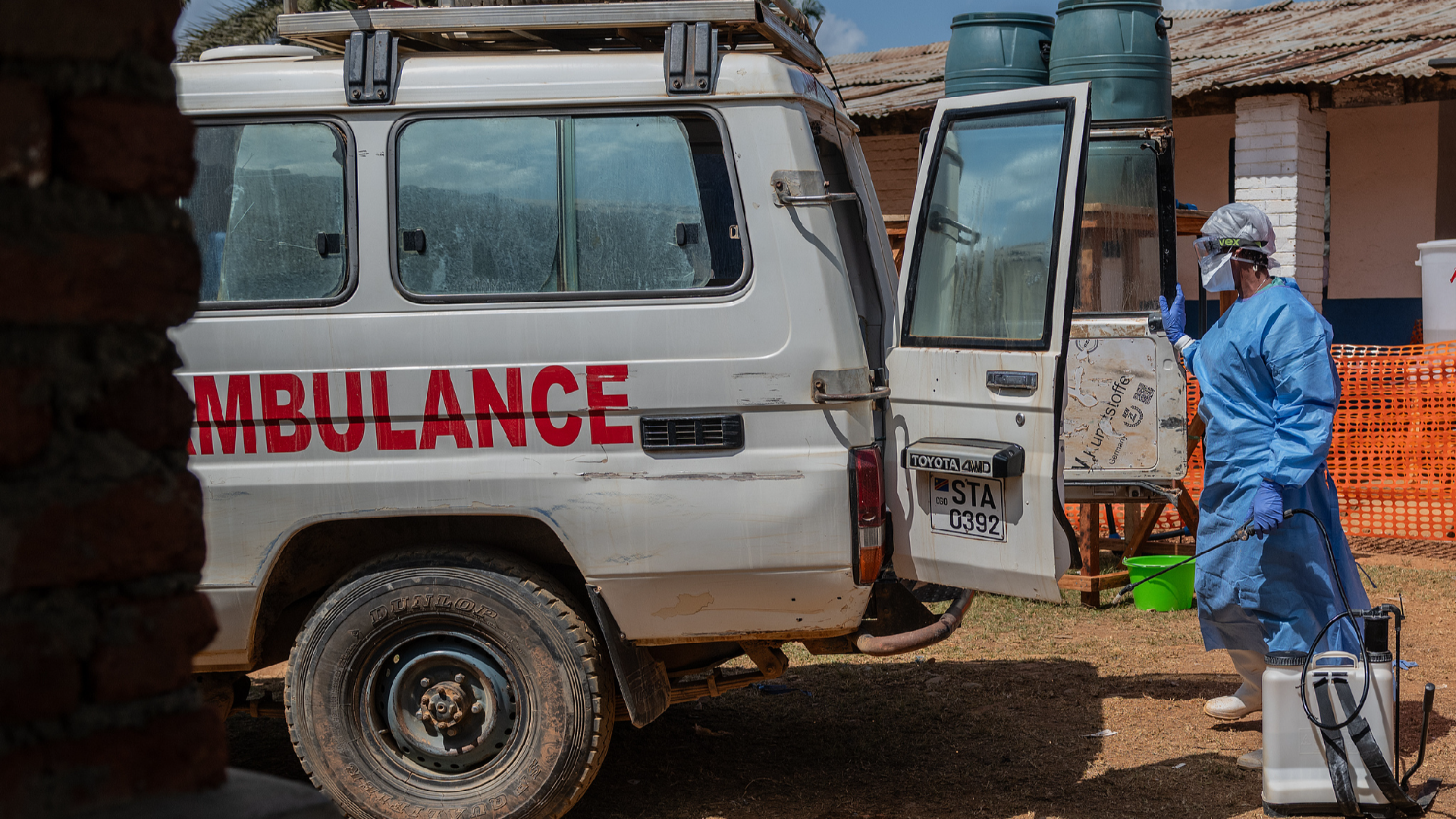
Ebola Cases in DR Congo Reach 710 as Officials Dismiss Lockdown Claims
The Democratic Republic of the Congo has reported 710 confirmed cases of Ebola in the latest surge of the outbreak, according to regional health authorities. Local officials have denied recent rumors of a lockdown in affected areas, citing continued efforts to manage the crisis through targeted interventions. The rise in cases has raised concerns about the effectiveness of containment strategies, particularly in regions with limited healthcare infrastructure.
The outbreak, linked to the Bundibugyo virus strain, has been concentrated in the North Kivu and Ituri provinces, where previous Ebola epidemics have occurred. The World Health Organization (WHO) has warned of the potential for further spread, emphasizing the need for rapid response and community engagement. As of the latest update, the death toll from the current outbreak has reached 100, with 300 suspected cases still under investigation.
What Happened and How Did It Escalate?
The current Ebola outbreak was first identified in early 2023, with initial cases reported in the eastern provinces of the Democratic Republic of the Congo (DRC). Health officials initially contained the spread through contact tracing and vaccination campaigns, but recent data shows a sharp increase in confirmed infections. The WHO reported that the number of cases rose from 500 in April to 710 by mid-May, marking a 42% increase in just six weeks.
Experts attribute the surge to multiple factors, including community resistance to public health measures, logistical challenges in remote areas, and the difficulty of maintaining quarantine protocols in conflict-affected regions. In some areas, local leaders have expressed skepticism about the necessity of restrictions, leading to tensions between health workers and residents.
“The virus is spreading faster than we can contain it,” said Dr. Amina Mbuyi, a public health official in Kinshasa. “We are working closely with communities to ensure they understand the risks, but misinformation is a major obstacle.”
Who Is Involved and What Are Their Roles?
The response to the outbreak involves a coalition of local and international actors. The DRC government, in collaboration with the WHO, has deployed mobile clinics and vaccination teams to high-risk zones. However, the involvement of non-governmental organizations (NGOs) and international health agencies has been critical in supplementing local efforts.
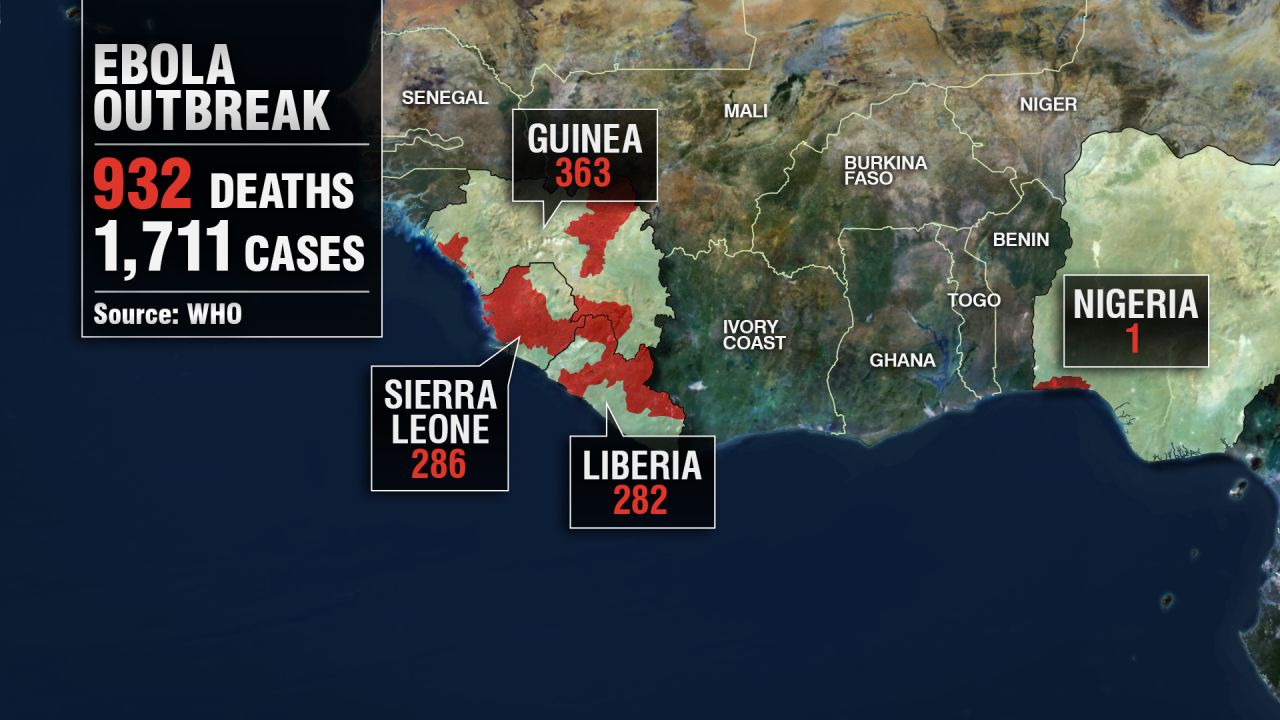
Among the key players is the International Rescue Committee (IRC), which has mobilized over 200 healthcare workers to support contact tracing and patient care. The African Union has also pledged financial and logistical assistance, while the U.S. Centers for Disease Control and Prevention (CDC) has provided technical expertise.
Despite these efforts, challenges persist. A recent report by the BBC highlighted the depletion of essential supplies, including personal protective equipment (PPE) and medical tents, in several treatment centers. “Without adequate resources, our teams are vulnerable,” said a field worker in North Kivu. “This is not just a health crisis—it’s a systemic failure in preparedness.”
Why This Outbreak Matters: Context and Implications
The resurgence of Ebola in DRC comes amid broader public health concerns in the region. The country has experienced multiple outbreaks since 1976, with the 2018-2020 epidemic in the eastern provinces resulting in over 2,200 deaths. The current outbreak, though smaller in scale, has raised fears of a repeat of past challenges, including community mistrust and security threats.
Health experts have also warned of the potential for the virus to spread beyond DRC. The WHO has cited the proximity of the affected areas to international borders, particularly with Uganda and South Sudan, as a risk factor. “A disease anywhere can be a disease everywhere tomorrow,” said Dr. John Nkengasong, the head of the Africa Centres for Disease Control and Prevention. “We must act swiftly to prevent a regional crisis.”
The economic impact of the outbreak is also significant. Local markets in affected regions have seen reduced activity, and agricultural production has declined due to labor shortages. A report by the United Nations Development Programme (UNDP) estimated that the outbreak could cost the DRC up to $200 million in lost economic output if containment efforts fail.
Reactions and Expert Perspectives
Public reactions to the outbreak vary widely. In some communities, residents have embraced vaccination drives and isolation protocols, while others have resisted, citing distrust in government and health authorities. In the town of Butembo, a recent protest against quarantine measures led to clashes between demonstrators and security forces, underscoring the social tensions surrounding the crisis.

Experts have called for a more nuanced approach to public health messaging. “We need to move beyond fear-based communication,” said Dr. Lise Johnson, a public health analyst at the London School of Hygiene & Tropical Medicine. “Community engagement and transparency are essential to building trust. The WHO and local leaders must work together to address these concerns.”
Meanwhile, the global health community has emphasized the importance of funding and resource allocation. The WHO has urged donor nations to increase financial support for the DRC’s response efforts, noting that underfunding has hindered the ability to scale up interventions. “Every dollar invested in containment saves lives and prevents economic losses,” said WHO spokesperson Tarik Jasarevic.
What’s Next for the Outbreak?
As the DRC grapples with the latest surge, health officials are preparing for a prolonged response. The government has announced plans to expand vaccination campaigns and improve access to treatment centers, particularly in rural areas. However, these efforts will depend on sustained international support and cooperation with local communities.
Monitoring the situation remains critical. The WHO has launched a real-time tracking system to provide updates on case numbers, while regional health networks are coordinating cross-border surveillance. “We are in a race against time,” said Dr. Mbuyi. “The coming weeks will determine whether we can contain this outbreak or face a larger
