The Golden Path of Infection: How Gold Is Driving the Spread of Ebola
In the dense forests and remote river basins of the Democratic Republic of the Congo, a lethal intersection of economic desperation and biological volatility is unfolding. While the world often views Ebola as a sporadic tragedy triggered by random contact with wildlife, a more complex narrative has emerged: the lure of gold is fundamentally altering the epidemiology of the virus. The current crisis highlights a dangerous synergy where artisanal mining, regional instability and deep-seated social mistrust create a highway for contagion.
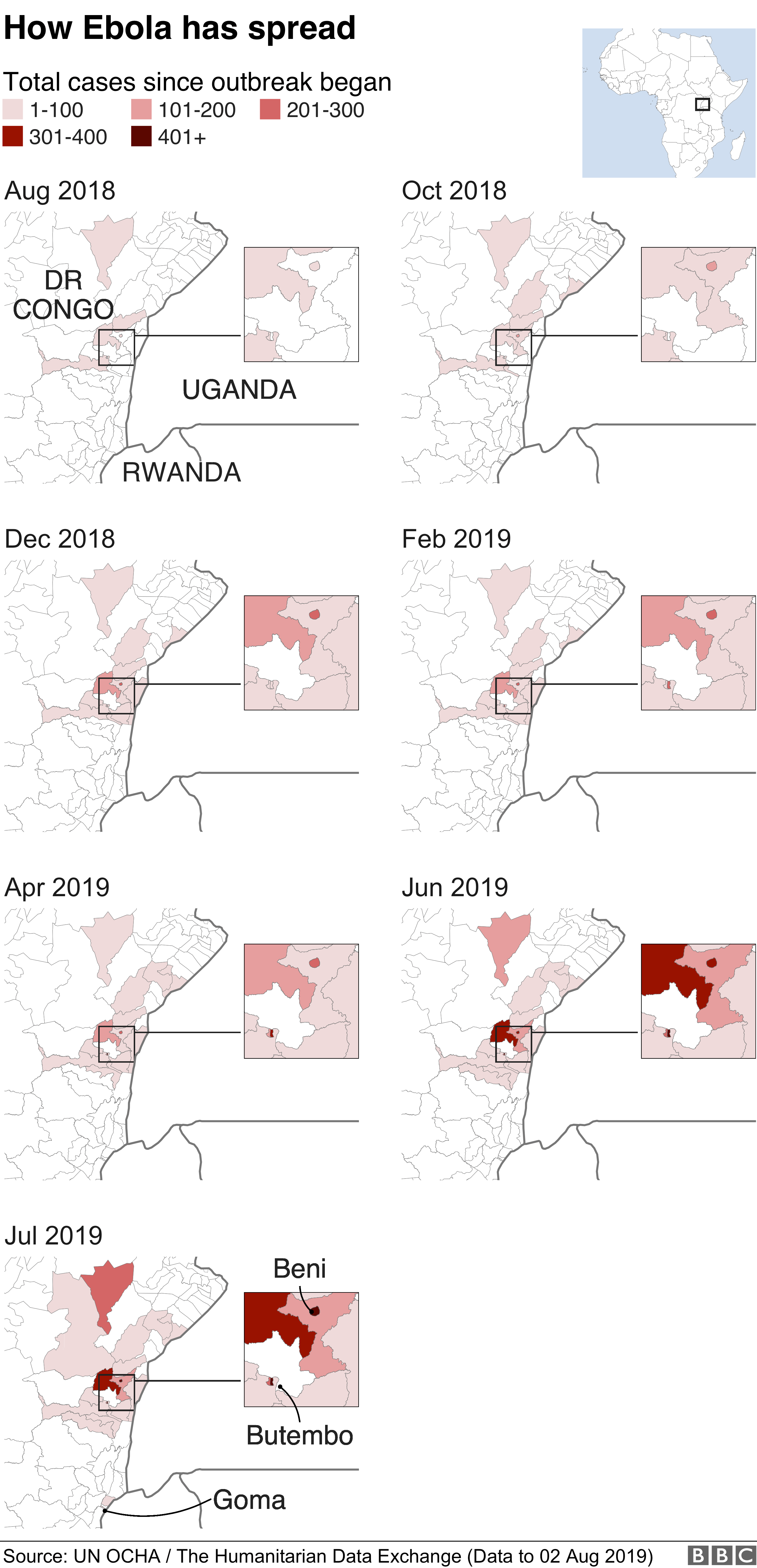
The phenomenon of how gold is driving the spread of Ebola – The New York Times analysis of such trends suggests that the movement of people is the primary vector. In regions where gold is discovered, thousands of artisanal miners migrate from distant provinces and neighboring countries. These miners live in cramped, makeshift camps with virtually no sanitation or medical infrastructure. When the virus enters such a high-density, high-mobility environment, it does not simply linger—it accelerates.
The Economics of Contagion: Artisanal Mining as a Catalyst
Artisanal gold mining is rarely a stationary activity. It is a nomadic pursuit, with “rush” mentalities driving populations to shift rapidly toward new deposits. This mobility is the engine of the current outbreak’s expansion. When a miner becomes infected, they may not immediately show symptoms, allowing them to travel back to their home village or move to a different mining site, carrying the virus with them.
The conditions within these mining camps are a catalyst for rapid transmission. Ebola spreads through direct contact with the blood or body fluids of an infected person, or via contaminated objects. In the crowded quarters of a mining colony, maintaining distance is impossible. Shared eating utensils, communal sleeping areas, and the lack of clean water make these sites biological tinderboxes.
The Cycle of Movement and Transmission
- Migration Hubs: Mining camps act as crossroads where people from diverse geographic regions congregate.
- Delayed Detection: Because miners often avoid official authorities to evade taxes or regulation, they may hide early symptoms of illness.
- Rapid Dissemination: Once a miner returns home to visit family or seek treatment, the virus is introduced to previously unaffected rural communities.
The intersection of unregulated resource extraction and a high-mortality pathogen creates a scenario where economic survival directly conflicts with biological survival.
Conflict Zones and the “Blind Spots” of Public Health
The spread of the virus is further complicated by the geopolitical instability of the region. The reach of the outbreak into territories held by militant groups, including those affiliated with the Islamic State, has created critical “blind spots” for international health organizations. In these areas, the state has no presence, and the World Health Organization (WHO) and other agencies struggle to implement surveillance.
When a region is controlled by armed groups, the standard toolkit for containing Ebola—contact tracing, rapid testing, and the establishment of treatment centers—becomes nearly impossible to deploy. Medical teams are often viewed with suspicion, sometimes seen as spies or agents of the government, leading to violent clashes. Reports of attacks on burial teams highlight the extreme volatility of these zones, where the act of safely burying a body is seen as a political or cultural provocation rather than a medical necessity.
| Factor | Impact on Ebola Control | Resulting Risk |
|---|---|---|
| Militant Control | Blocked access for health workers | Unmonitored “hotspots” of infection |
| Political Instability | Breakdown of trust in government | Avoidance of official treatment centers |
| Remote Geography | Delayed transport of samples/patients | Higher community transmission rates |
The Gendered Burden of Care
While miners are often the primary vectors of movement, the burden of the disease falls disproportionately on women. In many Congolese communities, women are the primary caregivers for the sick and the lead organizers of funeral rites. This societal role places them on the front lines of the outbreak, making them the most at-risk demographic for infection.
The risk is amplified by the nature of Ebola’s transmission. Because the virus is present in high concentrations in the fluids of those in the final stages of the illness, the act of bathing a feverish relative or cleaning up vomit and blood—tasks typically relegated to women—is a direct route to infection. This creates a devastating cycle where the primary support system of the family is decimated, leaving children and the elderly without care.
Efforts to mitigate this risk involve educating communities on the dangers of traditional caregiving and providing PPE to family members. However, these efforts often clash with deeply held cultural beliefs about familial duty and the “fine death,” where leaving a loved one to be taken by strangers in a plastic bag is seen as a betrayal.
Trust, Tradition, and the Crisis of Authority
The biological battle against Ebola is secondary to the psychological battle for trust. In many towns, the death of a respected community leader, such as a local priest, can trigger a wave of fear and skepticism. When those who are perceived as spiritually or morally protected succumb to the disease, it can lead to two opposite but equally dangerous reactions: total panic or a complete rejection of medical science.
This distrust is often manifested in the resistance to “safe and dignified burials.” Because Ebola remains infectious after death, the WHO emphasizes that bodies must be handled by trained teams. To a grieving family, this looks like a theft of the deceased. The resulting tension often boils over into violence against burial teams, which in turn causes health workers to withdraw from certain areas, allowing the virus to spread unchecked.
Common Misconceptions vs. Medical Reality
- Misconception: Ebola is airborne like the flu or COVID-19.
Reality: It is spread via direct contact with infected fluids. you cannot get it simply by being near someone who is not showing symptoms. - Misconception: The virus only affects people in deep jungles.
Reality: While it begins in zoonotic reservoirs, the movement of miners and traders brings it into urban centers and across borders. - Misconception: Treatment centers are “death houses.”
Reality: Early intensive supportive care, including rehydration and symptom management, significantly improves survival rates.
Understanding the Pathogen: The Science of Orthoebolaviruses
To understand why the gold-driven spread is so lethal, one must understand the nature of the virus. Ebola is caused by a group of viruses known as orthoebolaviruses. While several species exist, only a few—including the Ebola virus, Sudan virus, and Bundibugyo virus—are known to cause large-scale human outbreaks.

The disease is characterized by a deceptive onset. For the first few days, the symptoms are “dry”: fever, sore throat, muscle pain, and headaches. What we have is the window where a miner might continue to travel, unaware of the severity of their condition. As the disease progresses, it enters the “wet” phase, involving vomiting, diarrhea, and in some cases, internal and external bleeding.
The mortality rate is staggering, ranging from 25% to 90%, with an average of around 50%. While vaccines and therapeutics have been developed for the Ebola virus species, options for the Sudan and Bundibugyo variants remain limited, making the prevention of spread through movement—such as the gold-mining migration—the only reliable defense.
The Global Implications of Local Outbreaks
The situation in the Congo is not merely a local health crisis; it is a warning about the fragility of global health security. The pattern of how gold is driving the spread of Ebola – The New York Times context emphasizes that economic drivers are just as important as biological ones. When the pursuit of wealth pushes people into high-risk environments and then moves them rapidly across borders, the potential for a regional outbreak to become a global threat increases.
The inability to control the virus in conflict zones demonstrates that medical science is only as effective as the political stability of the region it is deployed in. Without a way to secure “safe corridors” for health workers and a method to integrate local cultural leaders into the response, the cycle of outbreak and retreat will likely continue.
Key Takeaways for Global Health Monitoring
- Economic Intelligence: Monitoring the movement of artisanal miners can serve as an early warning system for potential disease hotspots.
- Integrated Response: Health interventions must be paired with security and diplomatic efforts to ensure access to militant-held territories.
- Community-Centric Care: Moving away from “top-down” medical mandates toward community-led burial and care practices is essential for reducing violence against health teams.
Frequently Asked Questions
How does gold mining specifically contribute to the spread of Ebola?
Gold mining drives the spread primarily through the mass migration of people. Artisanal miners move frequently between remote sites and their home villages. Because these camps are overcrowded and lack sanitation, they facilitate rapid transmission, and the subsequent movement of miners carries the virus to new, uninfected areas.
Why are women more at risk during an Ebola outbreak?
Women typically serve as the primary caregivers for the sick and the main coordinators of funeral rites in many affected communities. Since Ebola is spread through direct contact with infected body fluids, these roles put women in constant, high-risk proximity to the virus.

Is Ebola an airborne virus?
No. Ebola is not spread like respiratory viruses such as the flu or COVID-19. It requires direct contact with the blood, secretions, or other body fluids of an infected person, or contact with surfaces contaminated with these fluids.
What is the mortality rate of Ebola?
The case fatality rate varies significantly depending on the virus species and the quality of care available. Historically, mortality rates have ranged from 25% to 90%, with an overall average of approximately 50%.
Why do some communities attack Ebola burial teams?
Attacks are often driven by a combination of fear, distrust of government authorities, and cultural beliefs. Safe burial protocols, which prevent family members from touching the deceased, can be perceived as a violation of sacred traditions or as a suspicious act by outsiders.
The ongoing struggle to contain the virus in the face of economic desperation and political chaos serves as a stark reminder that health is inextricably linked to stability. As long as the lure of gold continues to drive unregulated movement through the heart of the Congo, the risk of a renewed and expanded outbreak remains a constant threat to both the region and the world.
