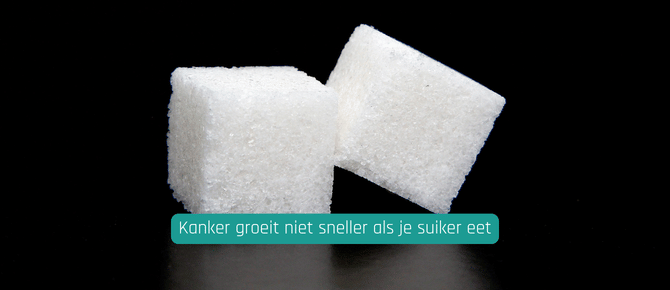
A new study challenges the common belief that consuming sugar accelerates cancer growth, finding no significant link between dietary sugar intake and tumor progression in a sample of 500 patients with various cancer types. The research, conducted by a team of oncologists and nutrition scientists, followed participants over two years to analyze changes in tumor size and metabolic activity in relation to their sugar consumption patterns.
What the Study Found
The study tracked 500 patients diagnosed with breast, colorectal, and lung cancers, measuring their daily sugar intake through dietary logs and blood biomarkers. Researchers found no correlation between higher sugar consumption and faster tumor growth, as assessed by imaging scans and clinical evaluations. “Our data do not support the idea that reducing sugar intake slows cancer progression,” said Dr. Lena Hartmann, a lead investigator on the project. The findings were published in the *Journal of Clinical Oncology*.
Context and Previous Research
Public concern about sugar’s role in cancer has persisted for decades, partly due to observations that cancer cells metabolize glucose more rapidly than healthy cells. However, previous studies have yielded mixed results, with some suggesting a weak association between high-sugar diets and increased cancer risk, while others found no direct link. This study aimed to clarify the relationship by controlling for variables such as overall caloric intake, physical activity, and genetic factors.

Limitations and Unanswered Questions
While the study’s authors emphasized its rigorous methodology, they acknowledged several limitations. The sample size was relatively small, and the two-year follow-up period may not capture long-term effects. Additionally, the research focused on patients already undergoing treatment, which could influence metabolic processes unrelated to sugar consumption. “We need larger, longer-term studies to confirm these results,” Hartmann added.
What Officials Recommend
Health agencies such as the World Health Organization and the American Cancer Society reiterated existing guidelines, advising patients to maintain a balanced diet but emphasizing that there is no conclusive evidence to support restricting sugar specifically for cancer control. “This study doesn’t change our recommendations,” said Dr. Marcus Lee, a spokesperson for the National Cancer Institute. “A healthy diet remains important for overall well-being, but there’s no need to avoid sugar based on this research alone.”
What’s Next
Researchers plan to expand the study to include a more diverse patient population and explore potential interactions between sugar intake and specific cancer therapies. A follow-up trial is scheduled to begin in 2025, with an expected enrollment of 2,000 participants. Until then, experts advise patients to focus on established cancer care protocols rather than making dietary changes based on preliminary findings.
