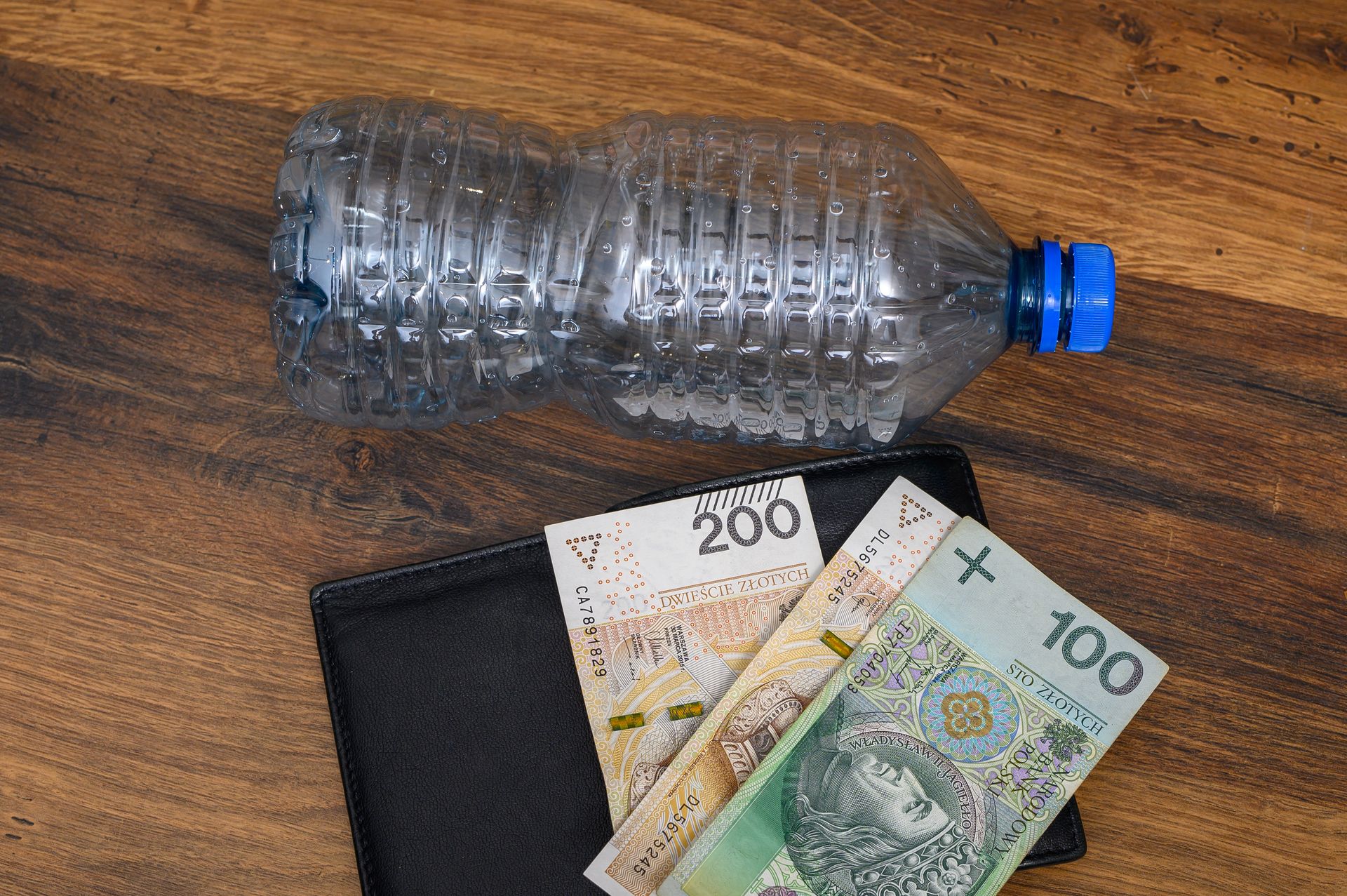
Poland’s deposit return scheme for plastic bottles has become a flashpoint in tax policy, as the government weighs whether to impose income tax on the cash refunds collected by reverse vending machines. With over 1,000 such machines now operating beyond traditional retail locations—including residential neighborhoods and beach resorts—the debate underscores a broader tension between environmental incentives and fiscal revenue.
Key Points
- The Ministry of Finance is considering whether refunds from bottle deposit schemes should be taxed as income.
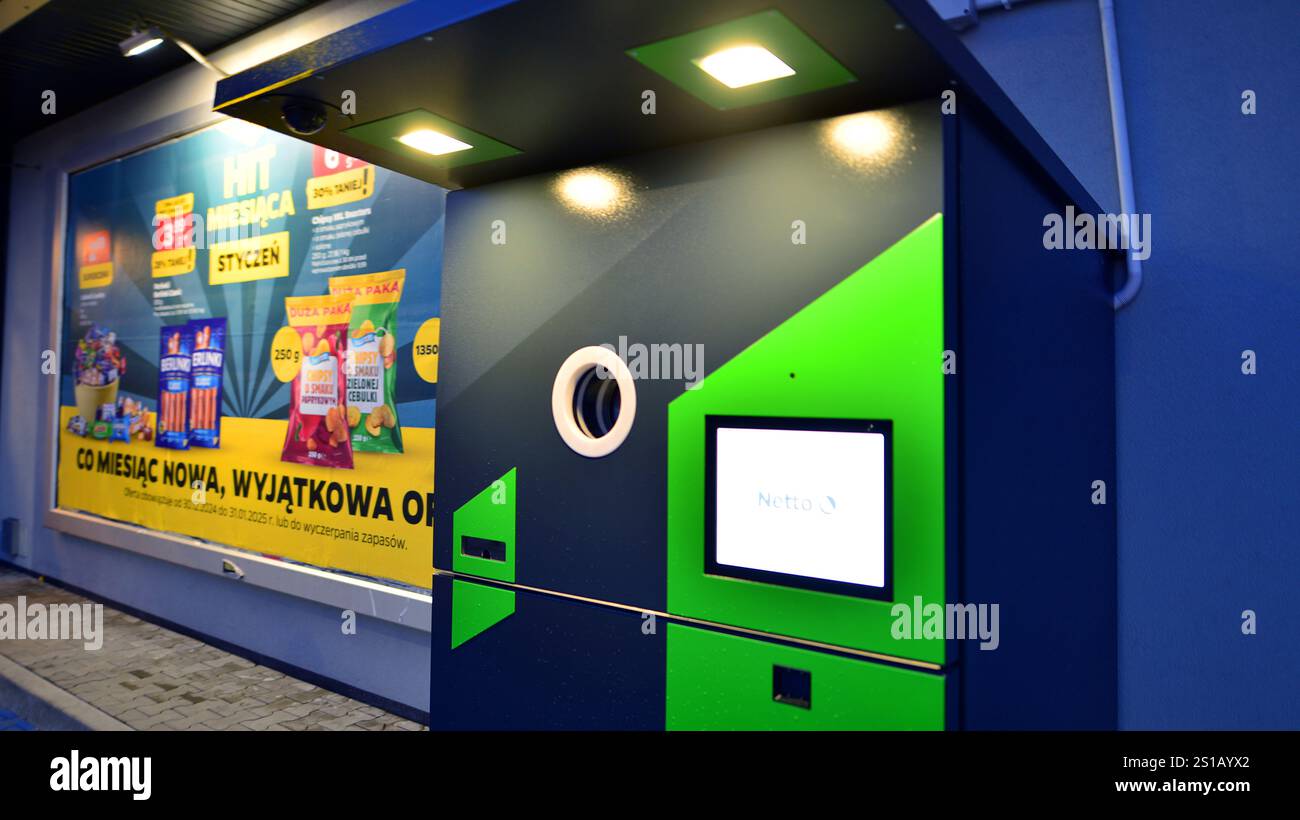
- Reverse vending machines are expanding rapidly, now placed in non-retail settings like apartment complexes and tourist areas.
- Operators and environmental groups argue taxing refunds could undermine the scheme’s effectiveness.
- No final decision has been made, but the policy could impact both machine operators and consumers.
The Polish government’s hesitation stems from the deposit scheme’s dual purpose: reducing plastic waste while generating revenue for businesses and municipalities. Under current rules, consumers pay a minor deposit—typically 20 groszy (about $0.05)—when purchasing bottled beverages. Returning the empty container to a reverse vending machine triggers an automatic refund, which operators then distribute to retailers or recycling programs.
Yet the scheme’s expansion into public spaces has complicated the tax calculus. While machines were originally concentrated in supermarkets and convenience stores, they are now appearing on housing estates, near beaches, and in tourist hubs. This shift has raised questions about whether the refunds—effectively a rebate on the original purchase—should be treated as taxable income for operators.
According to public statements, the Ministry of Finance is exploring an exception to standard tax rules, acknowledging that classifying refunds as income could discourage participation in the program. Analysts note that a tax burden on operators might lead to higher fees for consumers or reduced machine availability in less profitable locations.
Why It Matters for Businesses and Consumers
For reverse vending machine operators, a tax on refunds could squeeze already thin margins. Many machines are leased or operated by small businesses or recycling cooperatives, where profitability hinges on high transaction volumes. A tax liability might force some operators to relocate machines to higher-traffic retail hubs, leaving gaps in coverage for residential or tourist areas.
Consumers could also feel the pinch indirectly. If operators pass on tax costs, refunds might be delayed or reduced in value. Alternatively, retailers could absorb the cost, leading to higher prices for bottled drinks—a direct hit to household budgets as inflation remains elevated.
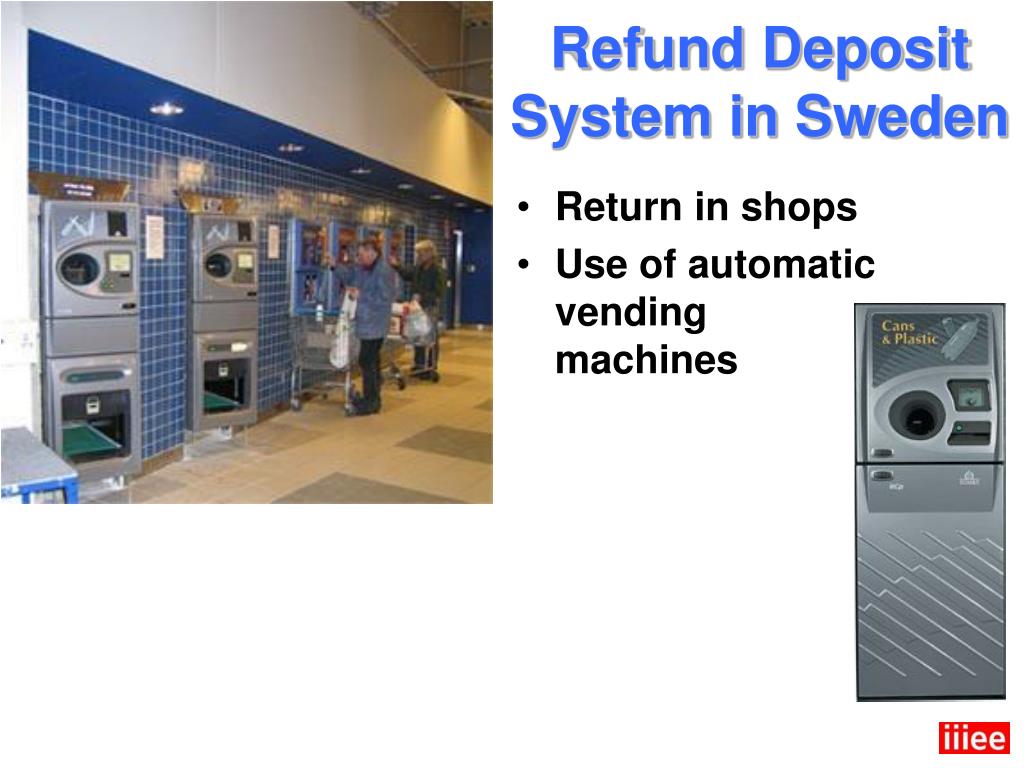
The debate reflects a broader challenge in Europe, where deposit return schemes are increasingly viewed as both environmental tools and potential revenue streams. Countries like Germany and Sweden have already faced similar discussions, though Poland’s scheme is notable for its rapid expansion into non-traditional settings.
What Comes Next
The Ministry of Finance has not set a timeline for a decision, but industry sources suggest a ruling could be announced within the next few months. If tax rules are tightened, operators will likely lobby for exemptions or subsidies to offset the financial burden. Meanwhile, environmental groups are preparing to argue that any tax on refunds would undermine Poland’s recycling goals.
For now, the status quo remains in place: refunds flow freely, and machines continue to multiply—though the fiscal shadow looms larger than ever.
