
The battle for control over Cuba’s economic landscape has shifted from diplomatic tables to bank accounts, as the United States intensifies its campaign to dismantle GAESA, the military-run conglomerate that dominates the island’s business sectors. What began as a geopolitical friction has evolved into a high-stakes financial war, targeting the incredibly heart of the Cuban military’s commercial empire.
- Primary Target: GAESA (Grupo Empresarial y Agropecuario), Cuba’s military-led business conglomerate.
- U.S. Strategy: Aggressive financial sanctions targeting bank accounts and international transactions.
- Central Allegation: Reports presented to the UN link the conglomerate’s management to systemic food shortages and hunger within Cuba.
- Cuban Position: The government characterizes these actions as a
"state slander"and a politically motivated attempt to destabilize the nation.
The Architecture of a Military Empire
GAESA operates as a massive corporate entity managed by the Cuban Revolutionary Armed Forces, wielding significant influence over tourism, retail, and foreign trade. This military-industrial model allows the state to centralize wealth and control key industries, creating a business structure that functions as a state within a state. According to various reports, this conglomerate is not merely a business venture but a strategic tool for the Cuban government to maintain economic stability and political control.

Financial Warfare and Bank Account Freezes
The United States has moved beyond broad diplomatic sanctions to a more surgical approach, hitting GAESA where it is most vulnerable: its liquidity. By targeting the conglomerate’s bank accounts and restricting its access to the global financial system, the U.S. Aims to starve the military empire of the capital necessary to maintain its sprawling operations.
This strategy is designed to make the cost of doing business with the Cuban military prohibitively expensive, effectively attempting to sink the empire by isolating it from international markets. Industry analysts suggest that these measures are intended to force a restructuring of the Cuban economy by removing the military’s grip on commercial enterprise.
Allegations of Systemic Hunger
The conflict has extended beyond financial ledgers and into the realm of human rights. A report presented to the United Nations has brought a more severe accusation to the forefront, alleging that GAESA’s monopolistic control over the economy is a primary driver of hunger in Cuba.
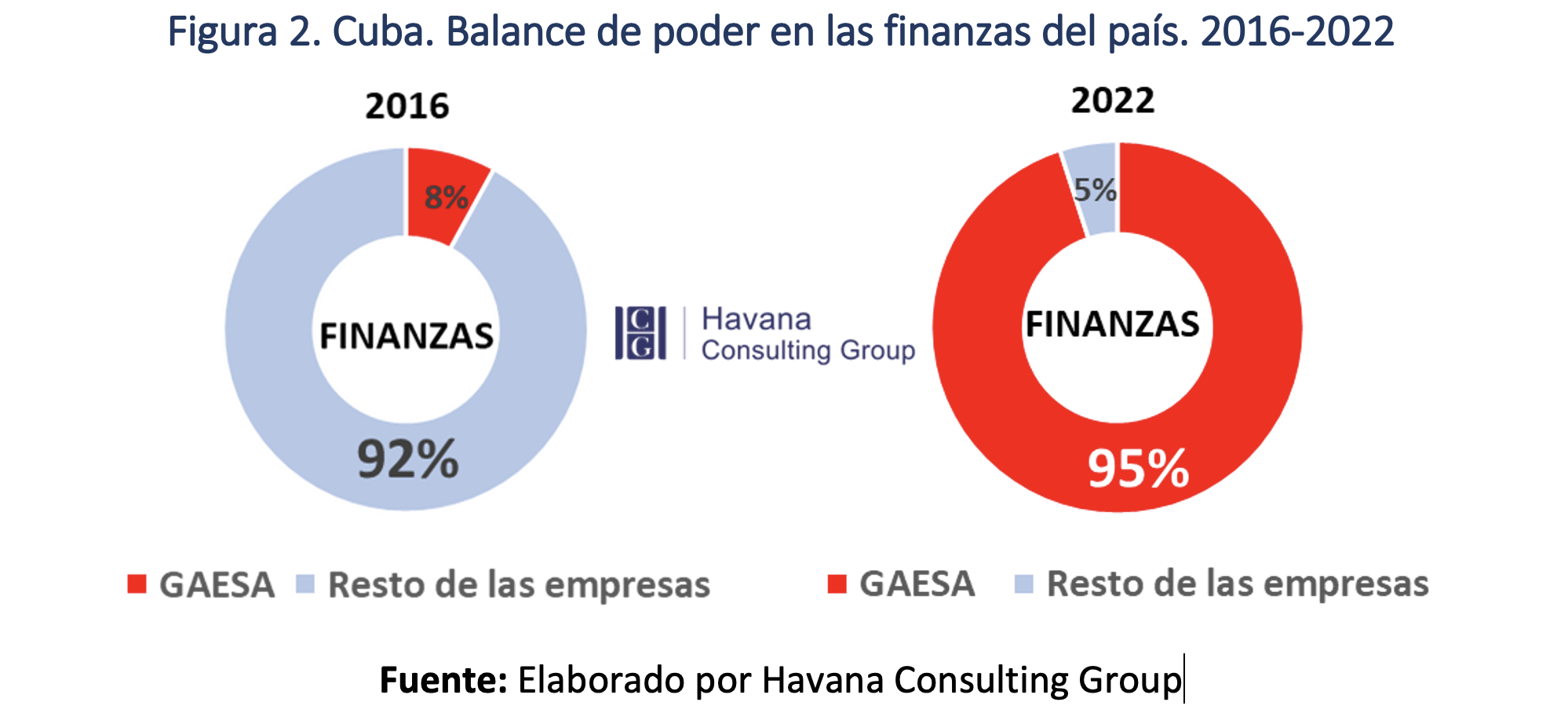
The military conglomerate’s management of resources and its priority on profit-generating sectors have directly contributed to the food insecurity currently plaguing the Cuban population. UN Report Summary
The report suggests that by prioritizing the interests of the military elite and the stability of the conglomerate’s accounts over the basic needs of the citizenry, GAESA has created a systemic failure in food distribution and accessibility.
The Defense Against ‘State Slander’
The Cuban government and its supporters have vehemently denied these claims, framing the U.S. Offensive as a calculated campaign of disinformation. The sanctions and the UN report are not about human rights or economic reform, but are instead tools of imperialism designed to bring the Cuban administration to its knees.
Local media reports have described the narrative pushed by the United States as an "anatomy of a state slander," arguing that the real cause of Cuba’s economic hardship is the blockade imposed by Washington rather than internal mismanagement. They maintain that the attacks on GAESA are an attempt to dismantle the state’s ability to fund its social programs and defend its sovereignty.
As the financial pressure mounts, the struggle over GAESA remains a central flashpoint in the broader cultural and political clash between the Cuban state’s military-led capitalism and the United States’ strategy of economic isolation.
