
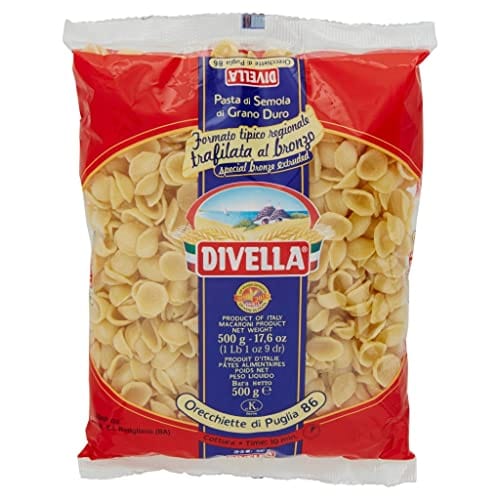
The Italian Antitrust Authority has opened an investigation into Divella, a Pugliese pasta company, following allegations that its “tricolore” branded products use foreign wheat despite claims of Italian origin, according to multiple reports. The company has dismissed the accusations as “pretextual,” emphasizing its commitment to transparency in production.
What led to the Antitrust investigation?
The complaint, filed by consumer advocacy groups Codacons and Adusbef, alleges that Divella’s pasta products contain wheat imported from non-EU countries, violating labeling regulations that require origin disclosure. The dispute, which has been ongoing for six years, centers on whether the company’s use of foreign grain constitutes misleading marketing. The Antitrust Authority has not yet issued formal sanctions but has initiated a formal inquiry into the matter.
How has Divella responded?
Divella issued a statement denying the allegations, calling the complaint “pretextual” and asserting that its production processes adhere to Italian standards. “Transparency is at the core of our operations,” the company said in a public statement. It emphasized that its pasta is manufactured in Puglia using locally sourced ingredients, though it did not explicitly address the use of imported wheat in its supply chain.
Coldiretti, an agricultural association, has called for the Antitrust Authority to impose penalties if the investigation confirms violations, stating that accurate labeling is critical for consumer trust. The organization highlighted that similar cases in the food sector have resulted in fines for misrepresentation of product origins.
What does this mean for consumers and regulators?
The case underscores ongoing tensions between food producers and regulators over supply chain transparency. Italian laws require products labeled as “Made in Italy” to use a majority of domestically sourced ingredients, though exceptions exist for raw materials like wheat, which are often imported. The outcome of the Antitrust review could set a precedent for how such cases are evaluated in the food industry.
Regulatory actions in similar cases have ranged from fines to mandatory label corrections. In 2022, another pasta manufacturer faced a €2 million penalty for undisclosed foreign grain use. Divella’s case may follow a similar trajectory, depending on the findings of the ongoing investigation.
What’s next for the investigation?
The Antitrust Authority has not provided a timeline for concluding the inquiry, but the case remains under review. Divella has not indicated plans to challenge the investigation formally. If the authority finds evidence of mislabeling, the company could face financial penalties and be required to revise its product disclosures. The matter will likely continue to draw attention from both consumer advocates and industry observers.
