Flatulence is a normal byproduct of the human digestive process and the ingestion of air, though sudden changes in frequency, odor, or accompanying physical symptoms can indicate dietary intolerances or underlying gastrointestinal disorders, according to health reports from Jornal Correio.
- Primary Causes: Gas results from swallowed air and the bacterial breakdown of undigested carbohydrates.
- Odor Drivers: Strong smells are typically linked to the production of sulfur compounds during digestion.
- Clinical Red Flags: Weight loss, blood in the stool, and severe abdominal pain are indicators that gas may be linked to a medical condition.
What Causes Common Flatulence?
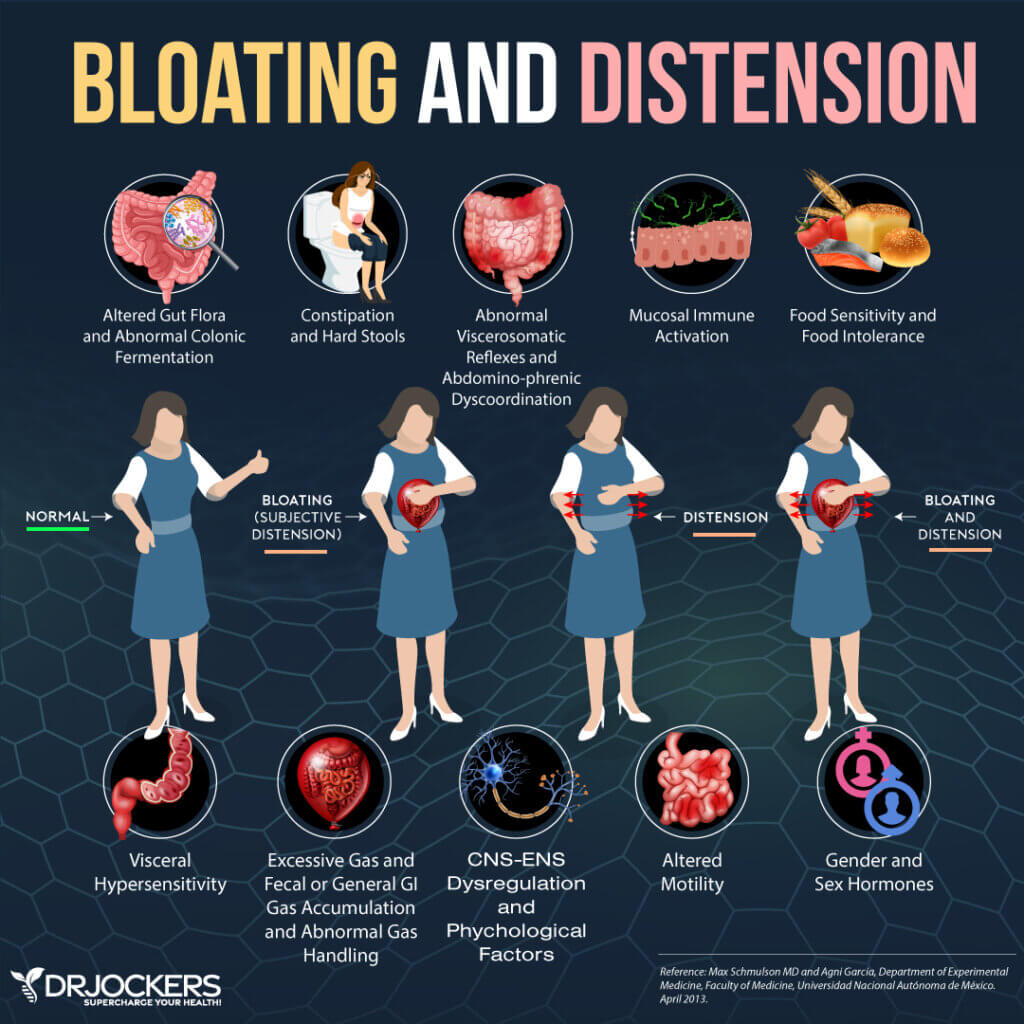
Gas production occurs through two primary mechanisms: the ingestion of air and the fermentation of food in the colon. According to the reports, aerophagia—the act of swallowing air—often happens during rapid eating, chewing gum, or smoking. This air must eventually exit the body, typically resulting in odorless gas.
The second mechanism involves the breakdown of complex carbohydrates, such as fibers, sugars, and starches, that the small intestine cannot fully digest. When these reach the large intestine, bacteria ferment them, producing gas as a byproduct. Certain foods are more likely to trigger this process, including beans, cabbage, broccoli, and other cruciferous vegetables.
Why Some Gas Has a Strong Odor
Not all gas is created equal in terms of scent. Most intestinal gas is odorless, consisting mainly of nitrogen, hydrogen, carbon dioxide, and methane. However, when bacteria break down foods containing sulfur, they produce hydrogen sulfide, which creates a distinct and often unpleasant smell.
The reports indicate that diets high in sulfur-rich foods—such as red meats, eggs, and certain vegetables—increase the likelihood of foul-smelling gas. While this is generally a result of diet rather than disease, a significant and sudden change in odor can sometimes be a symptom of malabsorption or infection.
When Gas Indicates a Medical Issue
While passing gas is a healthy sign of a functioning microbiome, certain “red flag” symptoms suggest a need for medical evaluation. According to the guidance, individuals should seek professional consultation if flatulence is accompanied by:
- Unexplained weight loss: This may signal malabsorption or more serious systemic issues.
- Blood in the stool: A primary indicator of inflammation or internal injury.
- Severe abdominal pain: Cramping that does not resolve after passing gas.
- Chronic changes in bowel habits: Persistent diarrhea or constipation.
Associated Gastrointestinal Conditions
Excessive gas can be a symptom of specific health conditions that impair the body’s ability to process nutrients. According to the reports, common culprits include:
Food Intolerances: Lactose intolerance occurs when the body lacks the enzyme lactase to break down milk sugars, while gluten sensitivity or Celiac disease involves an immune reaction to proteins found in wheat, barley, and rye.
Irritable Bowel Syndrome (IBS): This functional disorder often manifests as a combination of bloating, gas, and altered bowel movements without a visible structural cause in the intestine.
The reports emphasize that these conditions require a formal diagnosis from a healthcare provider to ensure appropriate dietary adjustments or medical treatments are implemented.
