Colombo, Kuala Lumpur, Jakarta, and Manila Issue Cyber Scam Alerts as Organized Crime Networks Shift from Cambodia and Myanmar
Sri Lanka’s capital joins Southeast Asian cities in warning travelers and businesses about sophisticated cyber fraud operations relocating from disrupted compounds in Phnom Penh and Yangon.
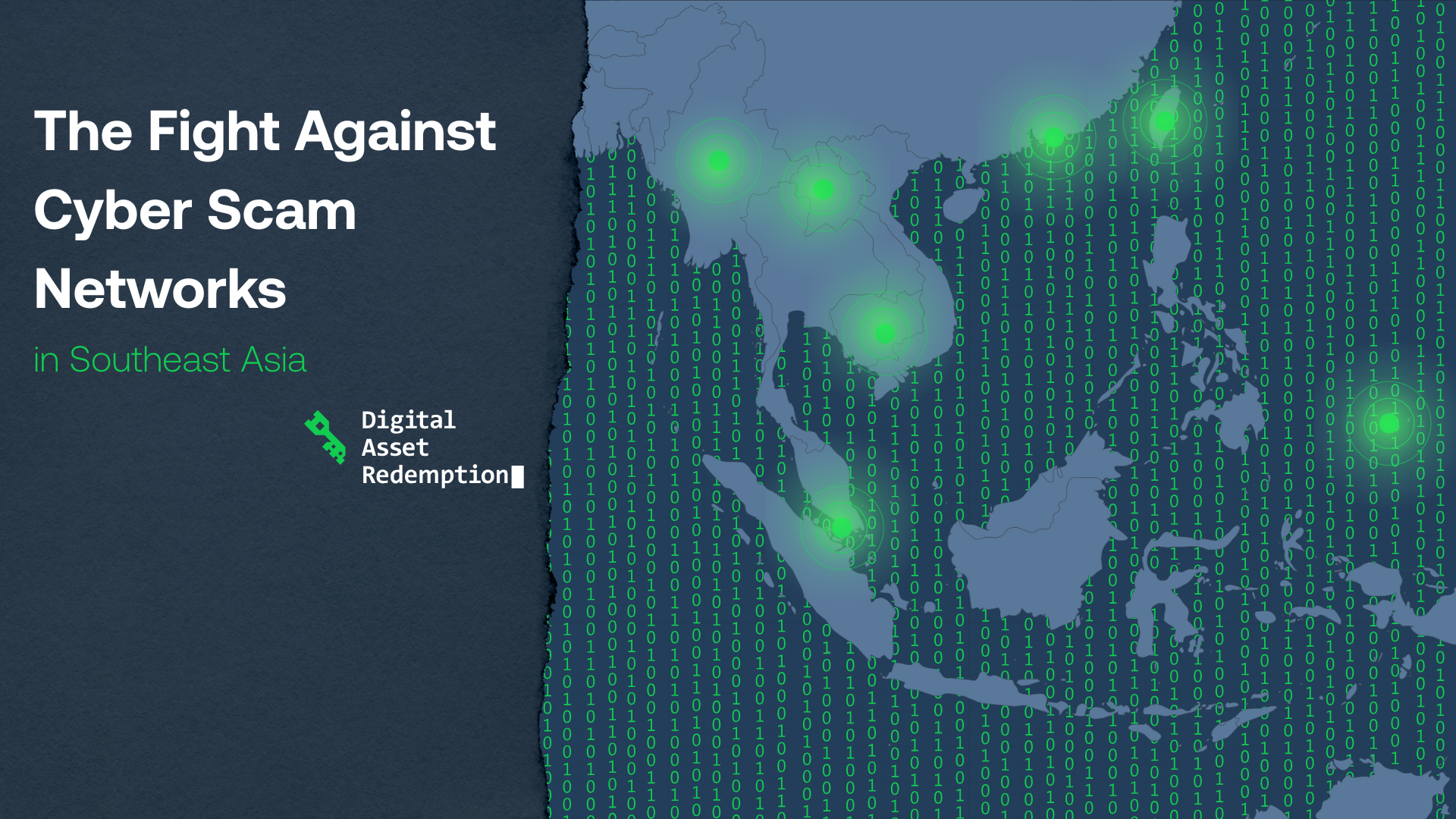
Cybersecurity agencies in Colombo, Kuala Lumpur, Jakarta, and Manila have issued coordinated high-alert warnings after intelligence confirmed that organized cyber fraud syndicates—previously operating from raided compounds in Cambodia and Myanmar—are now targeting victims across Southeast Asia and South Asia. The shift follows a series of international law enforcement crackdowns that dismantled major scam hubs in Phnom Penh and Yangon earlier this year, forcing criminal networks to disperse and adapt their tactics.
According to officials from Sri Lanka’s Cyber Security Operations Centre (CSOC), the new wave of scams includes deepfake voice calls, cloned corporate email domains, and AI-generated phishing messages impersonating government agencies and multinational firms. “These groups are highly mobile and have already established new bases in Colombo, Bangkok, and Ho Chi Minh City,” said a senior investigator with the ASEAN Regional Forum on Cybercrime, who requested anonymity due to ongoing operations.
The warnings come as authorities in the region scramble to contain a surge in cyber-enabled financial fraud, with losses exceeding $1.2 billion in Southeast Asia alone over the past 12 months, per data from the ASEAN Cybercrime Task Force. The relocation of these syndicates—many of which had ties to transnational organized crime—has raised concerns about a broader regional escalation in cyber fraud targeting both tourists and local businesses.
Key developments:
- Sri Lanka’s CSOC reported a 40% spike in cyber fraud complaints in Colombo’s business districts since March.
- Malaysia’s Police Cybercrime Investigation Division confirmed that at least three major scam call centers have reopened in Kuala Lumpur under new management.
- Indonesian authorities seized counterfeit documents linked to the relocated networks in Jakarta’s Menteng district.
- Philippine cyber units detected a surge in “pig butchering” scams—where victims are lured into fake cryptocurrency investments—originating from Manila-based servers.
Why Are Cyber Scam Syndicates Moving from Cambodia and Myanmar?
The exodus from Cambodia and Myanmar stems from a combination of law enforcement pressure and shifting operational costs. In Cambodia, authorities dismantled at least seven major scam compounds in Phnom Penh between January and April, seizing over 2,000 devices and disrupting networks that had defrauded victims in the U.S., Europe, and Australia. Myanmar’s military junta, meanwhile, cracked down on fraud operations tied to its State Administration Council, which had previously turned a blind eye to cybercrime as a revenue source.
“The Cambodian and Burmese governments faced significant international pressure to act, but the real driver was the syndicates themselves realizing they were becoming too predictable,” explained Dr. Lim Wei Jie, a cybersecurity researcher at Singapore Management University. “These groups operate like legitimate businesses—they relocate when their cost-to-revenue ratio becomes unsustainable.”
According to a 2023 report by the United Nations Office on Drugs and Crime (UNODC), Southeast Asia accounts for nearly 60% of global cyber fraud losses, with Cambodia and Myanmar serving as key hubs due to weak cyber laws, corrupt officials, and a pool of low-wage workers recruited through debt-bondage schemes. The UNODC estimated that at least 15,000 individuals were directly employed in these scam operations across the region.
Key factors behind the relocation:
- Law enforcement crackdowns: Cambodia’s National Police and Myanmar’s State Administration Council conducted coordinated raids targeting scam call centers, leading to arrests and asset seizures.
- Rising operational costs: Rent, electricity, and bribes in Phnom Penh and Yangon became prohibitively expensive, pushing syndicates to seek cheaper alternatives.
- Technological adaptation: Many groups have shifted to cloud-based infrastructure, making them harder to trace and shut down.
- Geopolitical shifts: Myanmar’s isolation under sanctions and Cambodia’s diplomatic tensions with Western nations reduced their appeal as safe havens.
How Are the New Scam Hubs in Colombo, Kuala Lumpur, and Manila Operating?
Intelligence suggests that the relocated syndicates are adopting more sophisticated tactics, leveraging AI and social engineering to evade detection. In Colombo, for example, scammers are using cloned WhatsApp Business accounts to impersonate Sri Lankan government agencies, tricking victims into transferring funds under the guise of “tax audits” or “COVID-19 relief payments.”
“The new operations are more decentralized,” said a cybercrime analyst with Interpol’s Cybercrime Unit. “Instead of large call centers, we’re seeing smaller, agile teams using encrypted messaging apps and virtual private networks (VPNs) to coordinate attacks.”
In Kuala Lumpur, authorities have reported a rise in “CEO fraud” scams, where criminals spoof corporate email addresses to instruct employees to transfer funds to fake accounts. A recent case involved a Malaysian manufacturing firm losing nearly $500,000 after an employee was tricked into authorizing a payment to a shell company in Singapore.
Jakarta’s scam networks, meanwhile, have pivoted to romance scams and cryptocurrency fraud, with victims in Australia and the U.S. being targeted through fake dating profiles on platforms like Facebook and Instagram. Indonesian police have linked these operations to former employees of dismantled Myanmar-based call centers who brought their skills—and client lists—to Jakarta.
Common tactics observed in the new hubs:
- Deepfake voice calls: AI-generated voices mimicking family members or authority figures to demand urgent payments.
- Cloned corporate domains: Fake websites and emails designed to look identical to legitimate businesses.
- Pig butchering scams: Fake cryptocurrency trading platforms that lure victims into investing before disappearing with funds.
- Social media impersonation: Fake profiles posing as travel agencies, job recruiters, or government officials.
What Are Authorities Doing to Counter the Threat?
Regional cybersecurity agencies are responding with a mix of legal, technical, and public awareness measures. Sri Lanka’s CSOC has launched a 24/7 fraud hotline and partnered with local banks to implement real-time transaction monitoring for suspicious transfers. Malaysia’s cyber police have increased patrols in business districts known for scam activity, while Indonesia’s National Cyber and Crypto Agency (BSSN) has deployed AI tools to detect and block fraudulent domains.
At the international level, the ASEAN Cybercrime Task Force is coordinating with Interpol and Europol to track the movement of key figures in these networks. “We’re focusing on disrupting the financial supply chains that fund these operations,” said a task force spokesperson. “Many of these syndicates are still reliant on money mules and offshore accounts to launder proceeds.”
Public awareness campaigns are also ramping up. In the Philippines, the National Bureau of Investigation (NBI) has launched a social media blitz warning citizens about common scam tactics, while Singapore’s Police Cybercrime Division has published a guide on spotting deepfake scams. However, experts warn that these efforts are being outpaced by the syndicates’ ability to adapt.
Key responses from regional governments:
| Country | Measure | Status |
|---|---|---|
| Sri Lanka | 24/7 fraud hotline and bank transaction monitoring | Active since April 2024 |
| Malaysia | Increased cyber patrols in KL business districts | Ongoing |
| Indonesia | AI-driven domain blocking and public awareness ads | Pilot phase |
| Philippines | Social media scam alerts and NBI hotline | Expanded in May 2024 |
| ASEAN Task Force | Interpol/Europol coordination on financial tracking | Ongoing investigations |
Who Is Most at Risk—and How Can They Protect Themselves?
The new wave of scams is targeting a broad range of victims, but certain groups are particularly vulnerable. Travelers, especially those visiting Southeast Asia for business or leisure, are prime targets due to their reliance on digital payments and unfamiliarity with local scam tactics. Expats and remote workers are also at risk, as criminals exploit trust in international networks.
“The most common victims are those who are emotionally vulnerable or under time pressure,” said a fraud prevention specialist with Mastercard’s Asia-Pacific Risk Intelligence team. “Scammers prey on fear—whether it’s a fake ‘tax audit,’ a ‘family emergency,’ or a ‘limited-time investment opportunity.'”
Businesses, particularly small and medium enterprises (SMEs), are also under siege. A survey by Deloitte Southeast Asia found that 38% of SMEs in the region had fallen victim to cyber fraud in the past year, with average losses exceeding $15,000 per incident. Multinational corporations are not immune, as seen in recent cases where scammers have impersonated senior executives to authorize fraudulent wire transfers.
High-risk groups and protection tips:
- Travelers:
- Avoid public Wi-Fi for financial transactions; use a VPN.
- Verify official contacts via registered channels (e.g., embassy websites).
- Never share personal or financial details unsolicited.
- Businesses:
- Implement multi-factor authentication (MFA) for all email accounts.
- Train employees to recognize phishing attempts (e.g., mismatched email domains).
- Use fraud detection tools for high-value transactions.
- Individuals:
- Check for HTTPS and padlock icons on websites.
- Reverse-image search profile pictures on social media.
- Report suspicious activity to local cybercrime units.
What’s Next for Cyber Scam Networks in the Region?
Experts predict that the relocated syndicates will continue to evolve, with a likely shift toward more advanced social engineering and AI-driven fraud. “We’re seeing the early stages of a new wave where scammers will use generative AI to create hyper-realistic fake identities and documents,” said Dr. Wei Jie. “This will make detection even harder.”
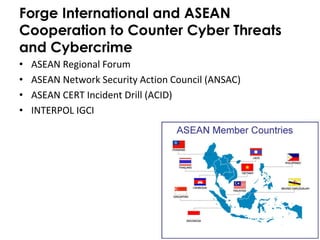
Regional cooperation remains the biggest challenge. While ASEAN countries have made progress in sharing intelligence, jurisdictional barriers and varying legal frameworks hinder swift action. “The syndicates exploit these gaps—moving funds across borders and operating in legal gray areas,” noted an Interpol analyst.
In the short term, travelers and businesses should remain vigilant, especially during peak seasons like the upcoming holiday period. Long-term solutions will require stronger cross-border cyber laws, better public education, and continued pressure on financial institutions to tighten anti-fraud measures.
For now, the message from cybersecurity agencies is clear: Assume you could be targeted, verify everything, and report suspicious activity immediately.
Frequently Asked Questions
Q: Are these scams only targeting foreigners, or can locals be victims too?
A: Locals are absolutely at risk. While tourists and expats are frequent targets due to their unfamiliarity with local scams, cyber fraud syndicates increasingly target citizens through cloned government websites, fake loan offers, and social media impersonation. In Indonesia, for example, romance scams on local dating apps have defrauded thousands of Indonesian nationals.
Q: How can I tell if a call or email is a scam?
A: Look for red flags like urgent demands for payment, mismatched email domains (e.g., “[email protected]” instead of “[email protected]”), and requests to use untraceable payment methods (e.g., gift cards, cryptocurrency). If in doubt, contact the supposed sender through a verified channel (e.g., a known phone number or official website).
Q: What should I do if I’ve been scammed?
A: Act immediately: report the incident to your bank or payment provider to freeze transactions, file a police report with your local cybercrime unit, and submit a complaint to platforms like the ASEAN Cybercrime Task Force or Interpol’s Cybercrime Portal. In some countries, victims may also qualify for fraud recovery assistance.
Q: Are there any countries in the region considered safe from these scams?
A: No country is entirely immune, but Singapore and Malaysia have stronger cybersecurity frameworks and more robust public awareness campaigns. Even there, however, scammers adapt quickly. Travelers should always exercise caution, regardless of destination.
Q: How do these syndicates recruit workers?
A: Many scam operations recruit through false job offers, debt-bondage schemes, or social media targeting. Workers—often young adults from rural areas—are lured with promises of high salaries but end up trapped in exploitative conditions. The UNODC estimates that up to 80% of workers in these operations are coerced or deceived into participation.
Q: Can law enforcement really stop these networks?
A: While authorities have made progress, the decentralized and adaptive nature of these syndicates makes complete eradication difficult. Success depends on international cooperation, financial tracking, and disrupting their revenue streams. Some experts compare the challenge to combating drug trafficking—constant pressure is needed to prevent regrowth.
Q: Are there any red flags specific to travel-related scams?
A: Yes. Common travel scams include fake tour operators, overpriced “exclusive” deals, and impersonated airline or hotel staff. Always book through verified platforms, check reviews, and avoid transactions that feel rushed or too good to be true. If a deal seems suspicious, consult your embassy’s travel advisories.
