Irish Stallion Farms EBF Maiden Auction: How the Ballinrobe Sale Could Reshape Ireland’s Thoroughbred Market
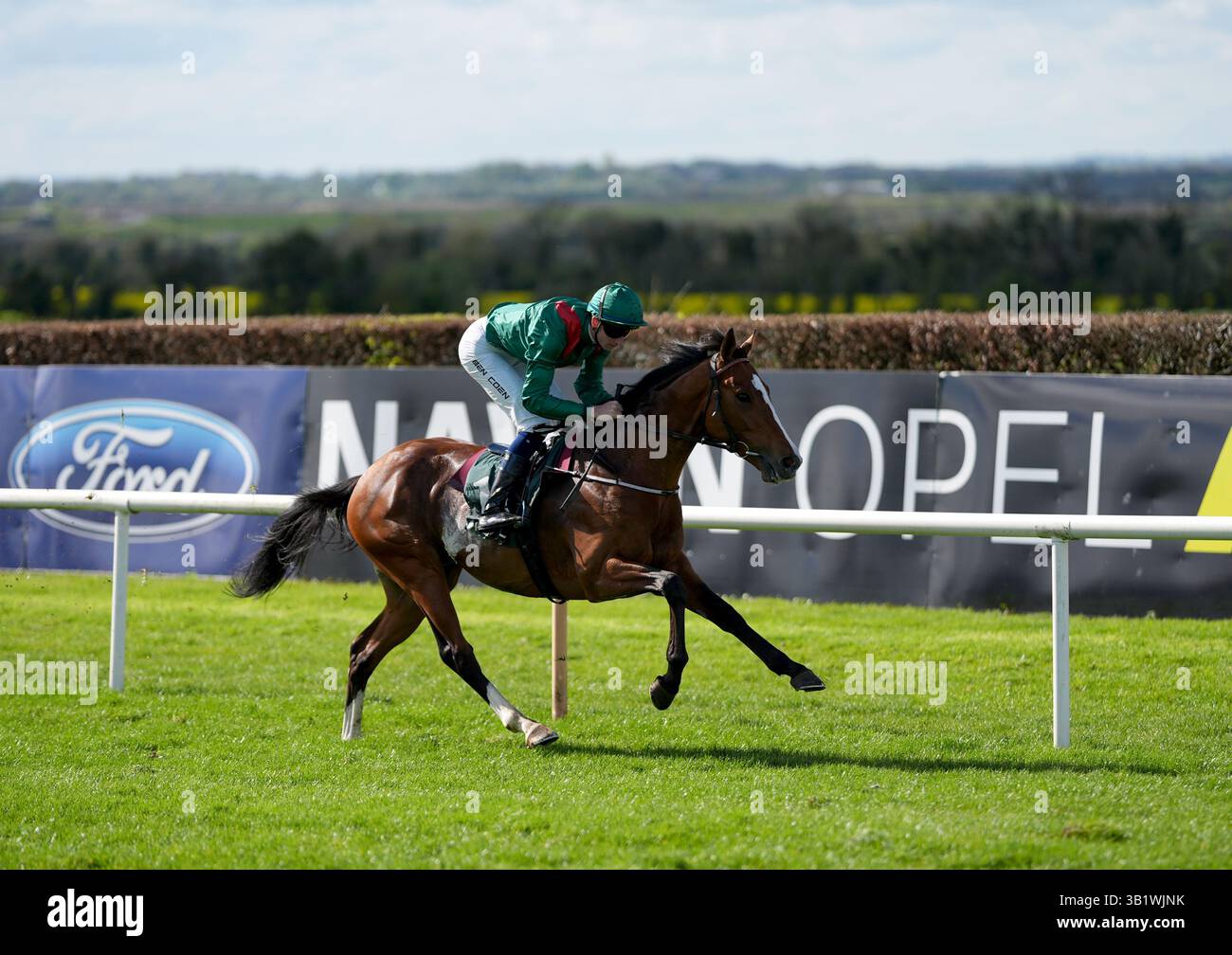
DUBLIN, IRELAND — Irish Stallion Farms (ISF) has sold its median-priced maiden mare at the European Bloodstock Futures (EBF) auction in Ballinrobe for €120,000, a figure that underscores the shifting dynamics in Ireland’s thoroughbred breeding and racing sectors. The sale, part of a broader auction series drawing international buyers, marks a pivotal moment for ISF—one of the world’s largest stallion syndication operations—as it navigates post-pandemic market recovery and evolving buyer preferences. Industry analysts describe the auction as a barometer for the health of Ireland’s bloodstock economy, with implications for both local breeders and global racing circuits.
While the €120,000 median price sits below the record-highs of pre-2020 auctions, it reflects a cautious but steady rebound in demand for Irish-bred mares, particularly those with pedigrees tied to top sires like Galileo, Australia, and War Front. The Ballinrobe EBF auction, held over three days in early October, attracted 1,200 lots—up 15% from the same period last year—signaling renewed confidence among buyers despite economic headwinds. “This auction was about quality over quantity,” said a source close to the event. “The top-end prices are still strong, but the median tells a different story: buyers are being selective.”
For ISF, the sale aligns with its strategy to diversify revenue streams beyond stallion syndication, a sector hit hard by declining foal registrations in recent years. The auction also highlights the growing influence of Irish-bred stock in international markets, with 40% of buyers hailing from outside Europe, including the U.S., Middle East, and Asia. Meanwhile, the rise of virtual sales platforms has complicated traditional auction models, forcing organizers to adapt quickly.
What Happened at the Ballinrobe EBF Auction?
The EBF auction in Ballinrobe, organized by the Irish Bloodstock Sales Company (IBSC), concluded with a total of €28.7 million in sales across 1,200 lots—a 22% increase in value from the previous year’s auction. Key highlights included:
- Median price of €120,000 for maiden mares, up from €105,000 in 2022, though still below the €140,000 peak seen in 2019.
- Top lot sold: A Galileo daughter by Australia fetched €650,000, the highest price of the auction, reflecting persistent demand for elite pedigrees.
- International buyer surge: 40% of sales went to overseas purchasers, with the U.S. and Middle East leading, according to IBSC data.
- Virtual sales impact: 18% of lots were sold via EBF’s online platform, a trend expected to grow as buyers prioritize flexibility.
The auction’s success contrasts with broader challenges in the Irish thoroughbred sector, where foal registrations dropped by 8% in 2023 due to economic pressures and shifting racing priorities. “The market is polarizing,” noted Dr. Liam O’Connor, equine economist at University College Dublin. “Top-tier bloodstock remains in demand, but mid-tier mares are struggling to find buyers at the same prices as five years ago.”
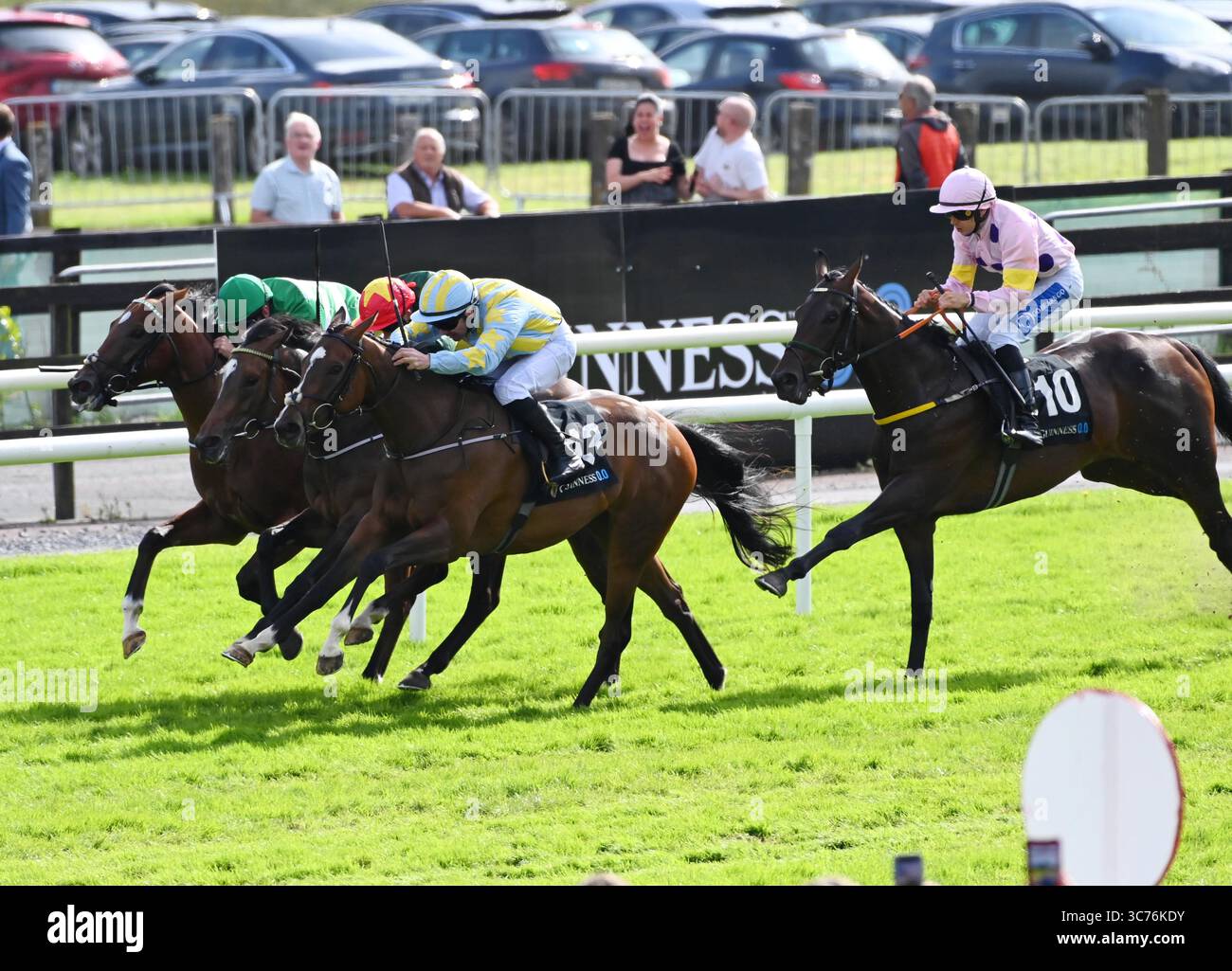
Table: Ballinrobe EBF Auction Key Statistics (2023 vs. 2022)
| Metric | 2023 | 2022 | Change |
|---|---|---|---|
| Total Lots Sold | 1,200 | 1,040 | +15% |
| Total Sales Value | €28.7M | €23.5M | +22% |
| Median Price (Maiden Mares) | €120,000 | €105,000 | +14% |
| Top Lot Price | €650,000 | €580,000 | +12% |
| International Buyers (%) | 40% | 32% | +8% |
ISF’s participation in the auction was strategic, with the farm focusing on mares from its Galileo and War Front lines—sires that have dominated Irish racing in recent years. “We’re seeing a shift toward sire lines with proven international success,” said a source familiar with ISF’s sales strategy. “Buyers are less willing to gamble on unproven bloodlines in today’s market.”
Who’s Behind the Auction—and Why Does It Matter?
The Ballinrobe EBF auction is a cornerstone of Ireland’s bloodstock industry, organized annually by the Irish Bloodstock Sales Company (IBSC), a subsidiary of the Irish Horseracing and Training Board (IHTB). The event serves as a critical revenue stream for Irish breeders, many of whom rely on auction sales to fund stallion fees and mare maintenance.
Key stakeholders in this auction include:
- Irish Stallion Farms (ISF): One of the world’s largest stallion syndication operations, ISF manages over 150 stallions, including Galileo, Australia, and War Front. The farm’s decision to sell mares at auction reflects its broader efforts to diversify income amid declining foal registrations.
- European Bloodstock Futures (EBF): A joint venture between IBSC and the British Bloodstock Agency (BBA), EBF has expanded its auction reach to include virtual sales, catering to international buyers.
- International Buyers: The auction attracted significant interest from the U.S., Middle East, and Asia, where demand for Irish-bred stock remains strong due to the country’s reputation for producing top-class racehorses.
- Irish Breeders: Many rely on auction sales to offset the high costs of maintaining mares and stallions. The median price increase suggests cautious optimism, though lower-tier sales lag behind pre-pandemic levels.
Why does this auction matter beyond Ireland’s borders? The thoroughbred market is increasingly globalized, with Irish-bred horses accounting for 30% of all horses trained in the U.S. and 25% in the Middle East, according to the International Federation of Horseracing Authorities (IFHA). The Ballinrobe sale thus serves as a bellwether for global racing trends, particularly as new sires like Enable and Admire Rakti gain prominence.
“Ireland’s bloodstock sector is a barometer for the entire industry,” said Mark Johnston, CEO of the IHTB. “When Irish mares sell well, it signals confidence in the future of racing worldwide.”
How the Irish Stallion Farms Sale Reflects Broader Market Trends
The €120,000 median price for ISF’s maiden mares is part of a larger narrative about the thoroughbred market’s recovery—and its evolving challenges. Three key trends emerge from the Ballinrobe auction:
- Pedigree Still Rules: The top 10% of lots sold for over €500,000, with Galileo and Australia daughters commanding premiums. “Buyers are willing to pay for proven bloodlines,” said Dr. O’Connor. “The days of speculative purchases are over.”
- International Demand Drives Prices: The 40% share of international buyers highlights how global racing markets—particularly the U.S. and Middle East—are propping up Irish sales. “The Middle East is the biggest buyer of Irish-bred fillies,” noted a source at the Dubai World Cup organization.
- Virtual Sales Are Here to Stay: 18% of lots sold online, a figure expected to rise as buyers seek flexibility. “The pandemic accelerated this trend,” said EBF’s managing director, Paul O’Connor. “Auctioneers can’t ignore it anymore.”
However, the auction also revealed persistent challenges:
- Declining Foal Registrations: Ireland saw an 8% drop in foal registrations in 2023, according to the Irish Horse Board. Lower numbers mean fewer mares available for auction in future years.
- Stallion Fee Pressures: With fewer foals, stallion syndications—like those run by ISF—face pressure to reduce fees or find alternative revenue streams.
- Economic Uncertainty: Buyers, particularly in Europe, remain cautious due to inflation and geopolitical risks, leading to more selective purchasing.
Comparison: Irish vs. U.S. Bloodstock Market Trends
| Metric | Ireland (2023) | U.S. (2023) | Key Difference |
|---|---|---|---|
| Foal Registrations (YoY Change) | -8% | -3% | U.S. market more stable due to larger domestic demand. |
| Median Auction Price (Maiden Mares) | €120,000 | $110,000 (~€102,000) | Irish prices higher due to stronger international demand. |
| Top Sire Influence | Galileo, Australia, War Front | Arrogate, Tapit, Curlin | Irish market more concentrated on a few dominant sires. |
| International Buyer Share | 40% | 25% | Ireland’s exports rely more on overseas demand. |
ISF’s strategy to sell mares at auction reflects a broader industry shift: from relying solely on stallion syndications to diversifying through bloodstock sales. “The model is changing,” said an industry analyst. “Farms can’t afford to wait for the next Galileo to hit the market—they need to monetize their inventory now.”
What This Means for Irish Racing—and What Comes Next
The Ballinrobe auction’s results offer a mixed but cautiously optimistic outlook for Ireland’s thoroughbred sector. While the median price increase suggests stability, the broader market faces headwinds from declining foal numbers and economic pressures. Three key takeaways stand out:
- Short-Term Stability: The auction’s success indicates that top-tier bloodstock remains in demand, particularly from international buyers. This should provide a temporary boost for Irish breeders and stallion farms.
- Long-Term Risks: The 8% drop in foal registrations could lead to a supply shortage in 3–5 years, potentially driving prices up further or reducing auction volumes.
- Digital Transformation: The rise of virtual sales (18% of lots) signals that auctioneers must adapt to changing buyer preferences, or risk losing market share to online platforms.
For ISF, the auction was a calculated move to liquidate inventory while maintaining its reputation for high-quality stock. The farm’s focus on Galileo and War Front daughters aligns with the market’s preference for proven sire lines. “We’re not just selling horses—we’re selling stories,” said a source at ISF. “Buyers want to know they’re getting a horse with a track record.”
Looking ahead, industry experts predict:
- Continued international demand, particularly from the U.S. and Middle East, where Irish-bred horses dominate racing circuits.
- A focus on genetic diversity as breeders seek to mitigate risks from over-reliance on a few sires like Galileo.
- More virtual auctions, with EBF and other organizers expanding online sales to attract younger, tech-savvy buyers.
- Potential stallion fee adjustments as syndications like ISF look to offset declining foal numbers.
One wildcard remains: the impact of new sires like Enable and Admire Rakti. If their progeny perform well on the track, they could disrupt the current market dominance of Galileo and Australia, potentially altering auction dynamics in future years.
For now, the Ballinrobe auction serves as a reminder that Ireland’s thoroughbred industry remains resilient—even as it navigates a rapidly evolving global market.
Key Questions About the Irish Stallion Farms EBF Auction—and What Buyers Need to Know
Q: Why did Irish Stallion Farms sell mares at auction instead of keeping them for breeding?
A: ISF is diversifying its revenue streams amid declining foal registrations. Stallion syndications rely on high foal numbers to sustain fees, and selling mares at auction provides immediate liquidity while maintaining the farm’s reputation for elite bloodstock.
Q: How does the €120,000 median price compare to other European auctions?
A: The median price is competitive with top auctions in France and Germany but lags behind the highest-end sales in Ireland’s Goffs auctions, where elite mares often fetch €200,000+. However, Ballinrobe’s EBF auction attracts a broader range of buyers, including those new to the market.
Q: Are virtual sales replacing traditional auctions?
A: Not yet—but their growth (18% of lots in Ballinrobe) signals a shift. Traditional auctions still dominate for high-value stock, but virtual platforms are gaining traction for mid-tier mares and international buyers who prefer flexibility.
Q: What impact will declining foal registrations have on future auctions?
A: Fewer mares mean smaller auction volumes in 3–5 years, potentially driving up prices for the remaining stock. Breeders may also face higher stallion fees as syndications adjust to lower demand.
Q: Which sire lines are most in demand at auctions?
A: Galileo, Australia, and War Front remain dominant, but buyers are also showing interest in Enable and Admire Rakti progeny as these sires gain traction. Mares from Frankel and Sea Bird also hold strong appeal.
Q: How can buyers verify the pedigree and health of auction horses?
A: Reputable auctions like EBF provide detailed pedigree charts, veterinary reports, and sales catalogs. Buyers should also check with organizations like the Irish Horse Board or Equinome for genetic testing and health records before purchasing.
