Deluded Foreigners are Blind to the Reality of Cuba’s Wretched Regime – The Telegraph: Analyzing the Gap Between Perception and Truth
For decades, a persistent narrative has existed in the global imagination regarding the island of Cuba—a mixture of revolutionary romanticism, vintage charm, and the image of a defiant underdog standing against imperialist pressure. However, recent geopolitical shifts and a deepening domestic collapse have brought a harsher truth to the forefront: many deluded foreigners are blind to the reality of Cuba’s wretched regime – The Telegraph perspective highlights a critical disconnect between the sanitized version of Cuba seen by tourists and the systemic misery endured by its citizens. While some view the island through the lens of a social experiment gone wrong or a victim of external sanctions, the lived experience of millions of Cubans tells a story of state-sponsored repression, economic ruin, and a desperate flight for survival.
The current crisis in Cuba is not merely a byproduct of a long-standing trade embargo or a temporary dip in tourism. This proves the culmination of a rigid, authoritarian political structure that has failed to adapt to the 21st century, leaving its population in a state of chronic scarcity while the ruling elite maintains a grip on power. To understand why the world is only now waking up to this reality, one must examine the layers of deception used by the state and the ideological blinkers worn by international sympathizers.
The Tourist Bubble: A Carefully Curated Illusion
One of the primary reasons why many visitors return from Havana convinced that the socialist experiment is “still working” is the existence of the tourist bubble. The Cuban state operates a sophisticated system of segregation, ensuring that foreign visitors interact primarily with a curated segment of the population and visit areas that are meticulously maintained.
Visitors see the colorful colonial facades of Old Havana, the classic American cars, and the smiling locals who are often desperate for foreign currency. What they do not see are the crumbling tenements just two blocks away, the hours-long queues for basic staples like bread and milk, or the pervasive fear of speaking openly about the government. This curated experience creates a cognitive dissonance where the visitor perceives a “simple, authentic life,” while the local is experiencing a systemic failure of basic infrastructure.
This illusion is bolstered by the state’s control over information. For years, the regime limited internet access, ensuring that the “reality” presented to the world was the one approved by the Communist Party. Even as connectivity increases, the state employs digital surveillance and intimidation to silence those who attempt to bridge the gap between the tourist’s perception and the citizen’s reality.
The Anatomy of Economic Collapse
The economic situation in Cuba has transitioned from a state of chronic stagnation to an active collapse. While the United States’ embargo is frequently cited as the sole cause of these hardships, a deeper analysis reveals a pattern of internal mismanagement and systemic inefficiency that predates and outweighs external pressures.
The Cuban economy is characterized by a centralized planning system that stifles innovation and penalizes individual initiative. The state’s control over the means of production has led to a catastrophic decline in agricultural productivity, forcing the island to import the vast majority of its food. When external shocks occur—such as the loss of Venezuelan subsidies or the pandemic-induced crash in tourism—the system has no resilience.
The Role of the Military in the Economy
A critical, often overlooked aspect of the Cuban regime is the role of the military (GAESA). The military has transitioned from a defense force to a corporate conglomerate, controlling the most lucrative sectors of the economy, including tourism, foreign exchange stores, and logistics. This creates a perverse incentive structure where the ruling elite profits from the very scarcity that plagues the general population.
Key drivers of the current economic misery include:
- Hyperinflation: The devaluation of the Cuban peso has wiped out the savings of ordinary citizens, making basic imports unaffordable.
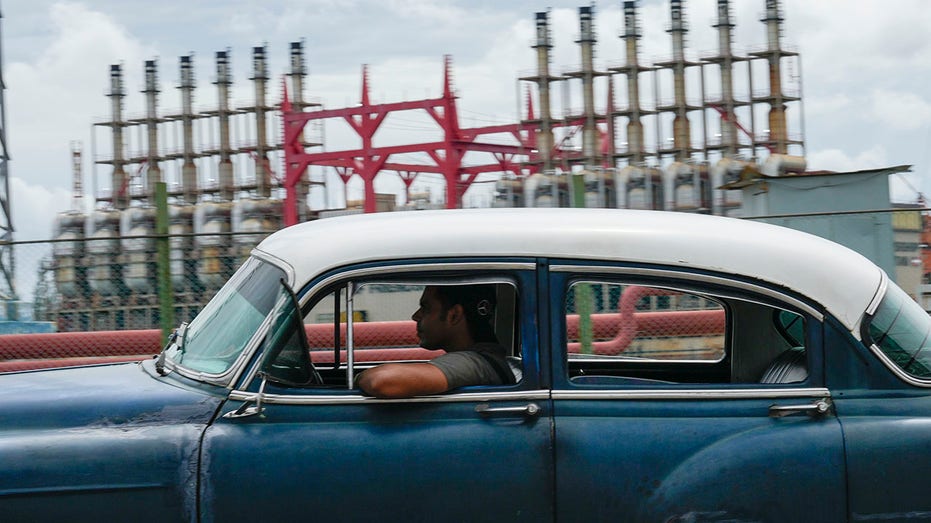
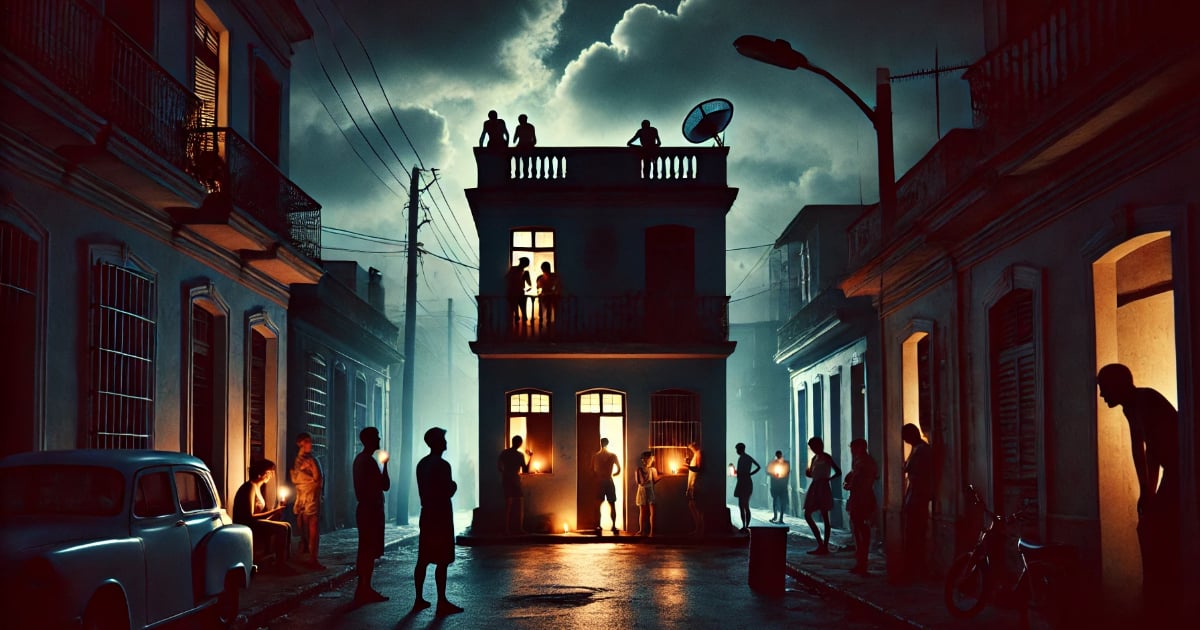
- Energy Failure: A decaying power grid leads to daily blackouts, crippling both domestic life and industrial production.
- Agricultural Neglect: Rigid state quotas and a lack of investment in farming have turned a fertile island into a food-import dependent nation.
- Dual Currency Chaos: Previous attempts to manage multiple exchange rates created a black market that enriched the well-connected while impoverishing the working class.
| Factor | Official State Narrative | On-the-Ground Reality |
|---|---|---|
| Food Shortages | Caused entirely by US sanctions. | Inefficient state farms and poor distribution. |
| Healthcare | World-class, free universal access. | Decaying clinics, lack of basic medicine/bandages. |
| Political Stability | Unified support for the Revolution. | Widespread discontent and suppressed protests. |
| Migration | People leaving for “economic opportunity.” | A desperate flight from political repression. |
The Great Exodus: The Death of the Cuban Dream
Perhaps the most damning evidence against the regime is the unprecedented wave of migration currently leaving the island. For decades, the “American Dream” was the primary driver for those fleeing Cuba. However, we are now witnessing a broader phenomenon: the total abandonment of the “Cuban Dream.”
Unlike previous migration waves, which were often dominated by the middle class or specific political dissidents, the current exodus includes young professionals, doctors, and engineers—the very people the state spent millions of pesos training. When the intellectual and professional core of a nation decides that there is no future at home, it is a sign of systemic failure that no amount of propaganda can hide.
This migration is not merely about seeking higher wages; it is an escape from a psychological state of hopelessness. The youth of Cuba, now connected to the rest of the world via smartphones, can see the disparity between their lives and those of their peers in other Latin American or European countries. The realization that they are trapped in a museum of a failed 20th-century ideology has triggered a mass departure that is hollowing out the country’s demographics.
For more context on how this compares to other regional crises, see a related explainer on Latin American migration patterns.
Geopolitical Isolation and the Waning of European Support
For a long time, the Cuban regime played a sophisticated game of geopolitical balancing. By presenting itself as a champion of the Global South and a victim of “Yankee imperialism,” Havana managed to maintain significant diplomatic and economic ties with European nations, particularly Spain and France.
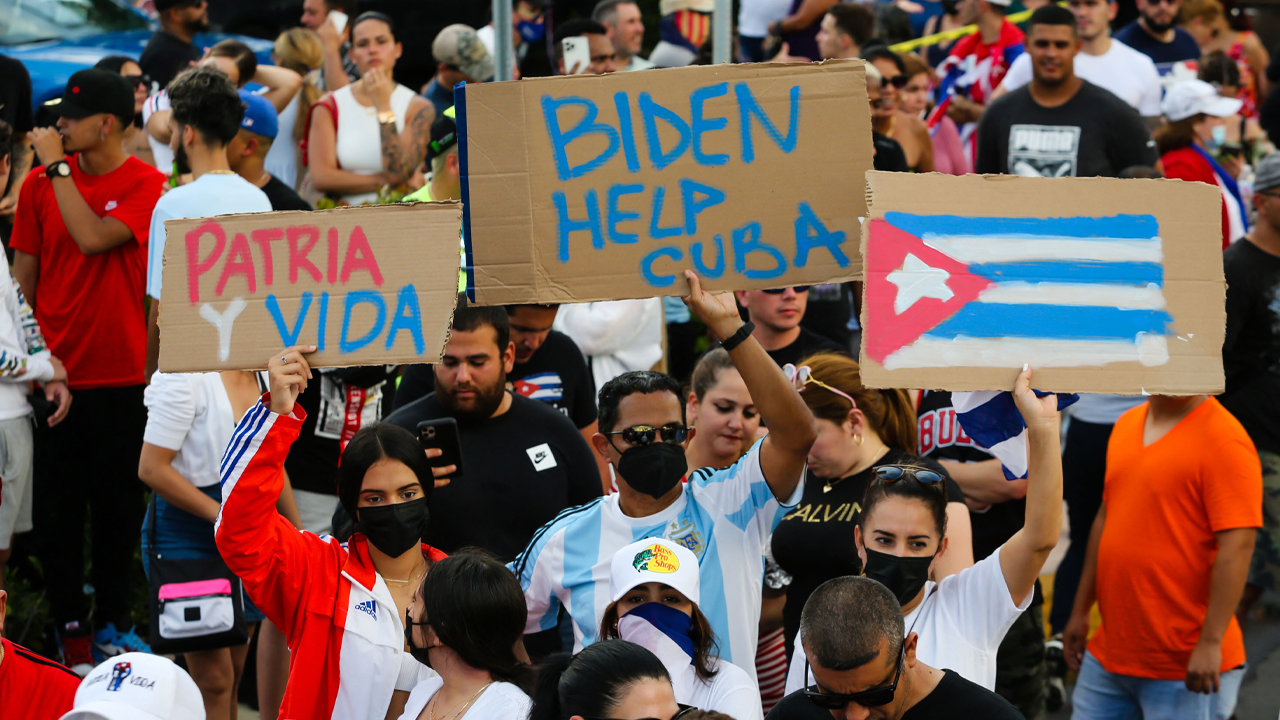
However, the tide is turning. The European Union has increasingly tied its relationship with Cuba to tangible improvements in human rights and democratic reforms. The romanticism that once fueled European support for the “revolutionary” spirit of Cuba is being replaced by a pragmatic recognition of the regime’s brutality. The crackdown on the July 11, 2021, protests—where peaceful demonstrators were met with violence and arbitrary arrests—served as a wake-up call for many in the West.

The regime’s desperation is evident in its attempts to pivot toward other authoritarian allies. However, even these relationships are transactional. Russia and China provide support not out of ideological kinship, but as a means of maintaining a strategic foothold in the Caribbean, often demanding concessions that further tie the Cuban economy to foreign interests.
“The tragedy of Cuba is that its people are held hostage by a leadership that prefers the total collapse of the nation over the loss of their own absolute power.”
The Human Rights Crisis: Beyond the Economic Struggle
While the economic collapse is the most visible symptom, the underlying disease is the total absence of political freedom. The Cuban state maintains control through a pervasive network of surveillance and a judicial system that serves as a tool for political persecution.
The suppression of free speech is absolute. Independent journalists are routinely harassed, imprisoned, or forced into exile. The regime’s response to dissent is not dialogue, but criminalization. By labeling any call for reform as “mercenary activity” funded by foreign powers, the government attempts to delegitimize genuine domestic grievances.
This repression extends into the private sphere. The state’s control over employment means that a single political “misstep” can lead to the loss of a job, housing, or educational opportunities. This creates a culture of self-censorship where people are forced to perform loyalty to a system they despise in order to survive.
Common Misconceptions About the Cuban Crisis
To truly understand why deluded foreigners are blind to the reality of Cuba’s wretched regime – The Telegraph analysis is so pertinent, we must dismantle several common myths:
- Myth: The US Embargo is the sole cause of poverty.
Reality: While the embargo creates hurdles, it does not prevent Cuba from trading with the rest of the world. The poverty is driven by the abolition of private property, the failure of state-run agriculture, and the siphoning of wealth by the military elite. - Myth: Cuba has the best healthcare in the region.
Reality: Cuba once had an impressive system, but it has collapsed. Hospitals lack basic antibiotics, sterile gauze, and functioning equipment. The “medical diplomacy” (sending doctors abroad) is often a state-run labor export scheme where the government keeps the majority of the doctor’s salary. - Myth: The Cuban people are happy and content.
Reality: The perceived happiness is often a survival mechanism—a facade maintained in front of foreigners. The record-breaking migration numbers prove that the majority of the population is desperate to leave.
The Path Forward: Stability or Collapse?
Cuba currently finds itself at a dangerous crossroads. The regime is attempting to introduce limited market reforms—allowing some compact private businesses (MSMEs) to operate—but these are “controlled” reforms designed to save the system rather than transform it. The state allows just enough capitalism to alleviate the most acute shortages, but not enough to empower a middle class that could challenge the Communist Party’s monopoly on power.

The long-term stability of the island depends on whether the regime can transition to a genuine pluralistic system or if it will double down on repression. History suggests that regimes that rely on a combination of economic failure and political violence eventually reach a breaking point. In Cuba, that point is being approached as the social contract—the promise of basic security in exchange for political obedience—has been completely broken.
The international community must move beyond the outdated narratives of the Cold War. Viewing Cuba simply as a pawn in a US-Russia conflict ignores the agency and the suffering of the Cuban people. True support for the island does not mean supporting the regime in the name of “anti-imperialism,” but rather supporting the rights of Cubans to determine their own future without fear of imprisonment or starvation.
For those interested in the legal frameworks surrounding international sanctions, you may find a related analysis on global trade embargoes useful.
Frequently Asked Questions
Why do some people still believe the Cuban regime is beneficial?
Many are influenced by state propaganda that emphasizes literacy rates and healthcare access from previous decades. Others are misled by the “tourist bubble,” where they see a sanitized version of the country and mistake the friendliness of a desperate population for genuine contentment with the government.
Does the US embargo actually hurt the Cuban people?
The embargo creates logistical challenges and limits some trade options, which can complicate the lives of citizens. However, analysts argue that the primary cause of suffering is the regime’s internal economic policy, which prohibits private enterprise and mismanages the country’s resources.
Why is there a current surge in migration from Cuba?
The surge is driven by a “perfect storm” of hyperinflation, chronic food and power shortages, and a crackdown on political dissent following the 2021 protests. The lack of economic hope for the youth has made migration the only viable path for many.
What is the role of the military in Cuba’s economy?
The Cuban military, through organizations like GAESA, controls the most profitable sectors of the economy, including tourism and imports. This allows the ruling elite to maintain their lifestyle and power even as the general population suffers from extreme poverty.
Is the Cuban government introducing democratic reforms?
While the government has introduced some economic tweaks to allow small private businesses, these are not democratic reforms. There is still no freedom of press, no multi-party elections, and no genuine political pluralism.
