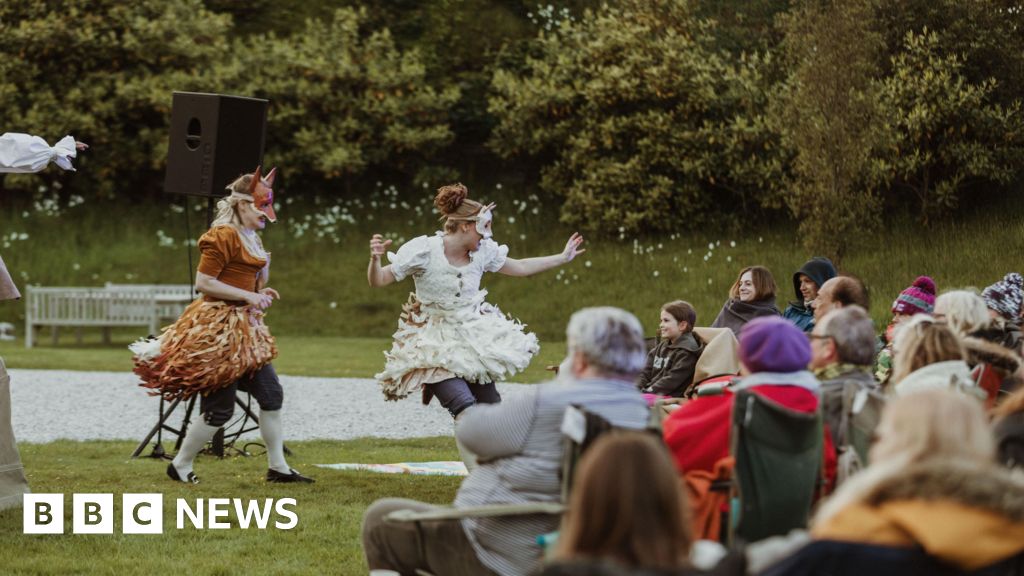
Cornwall’s Miracle Theatre Company Looks Back as it Celebrates 47 Years
Miracle Theatre, a community-focused performing arts organization based in Cornwall, is celebrating 47 years of operation. According to company records and reports, the organization specializes in inclusive theatre, providing creative platforms for individuals regardless of their physical or intellectual abilities, establishing a nearly five-decade legacy of accessibility in the South West of England.
How Miracle Theatre Built a 47-Year Legacy in Cornwall
The longevity of Miracle Theatre in the Cornish arts scene is a result of its commitment to a specific philosophy: that theatre belongs to everyone. For 47 years, the company has operated not as a traditional commercial entity, but as a community hub. While many regional theatre companies struggle to survive beyond a decade due to funding volatility, Miracle Theatre has maintained its presence by integrating itself into the social fabric of Cornwall.
The organization focuses on “inclusive practice,” a method where the process of creating the art is as important as the final performance. According to the company’s operational history, this involves adapting scripts, rehearsal techniques, and performance spaces to accommodate the needs of a diverse cast. This approach ensures that barriers to entry—whether they are financial, physical, or cognitive—are minimized.
The Core Mission of Inclusive Arts
At the center of the company’s 47-year run is the belief that disability or marginalization should not preclude a person from artistic expression. Inclusive theatre differs from traditional “community theatre” in its rigorous focus on accessibility. It is not merely about putting on a play with local residents; it is about restructuring the theatrical experience so that those who are typically excluded from the arts can lead the creative process.
- Adaptive Casting: Roles are written or modified to fit the strengths and needs of the performers.
- Sensory Consideration: Performances are often designed to be sensory-friendly, avoiding triggers and providing alternative ways to experience the narrative.
- Empowerment: The goal is to move performers from the sidelines to the center of the stage, fostering confidence and social integration.
Overcoming Regional Barriers in the South West
Operating in Cornwall presents unique challenges that Miracle Theatre has had to navigate since its inception. The geography of the county, characterized by isolated villages and a lack of centralized transport, often makes it difficult for participants to access arts facilities. According to regional arts analysis, the “rural divide” often leaves those in remote areas with fewer opportunities for social engagement.
To counter this, the company has historically focused on outreach. By taking theatre into the heart of communities rather than requiring all participants to travel to a single urban center, the organization has been able to reach demographics that other arts companies overlook. This decentralized model has been key to its survival and growth over the last 47 years.
Why Inclusive Theatre Matters for Rural Communities
The existence of a company like Miracle Theatre for nearly half a century provides more than just entertainment; it serves a critical social function. In rural areas like Cornwall, where social services can be stretched and isolation is a prevalent issue, the arts provide a vital connection point.
According to advocates for inclusive arts, the act of performing in a play provides a “social bridge.” For individuals with disabilities, the theatre becomes a space where they are viewed first as artists and peers, rather than through the lens of their limitations. This shift in perception is central to the company’s long-term impact on the local population.
The Social Model of Disability in Practice
Miracle Theatre’s approach aligns with the “social model of disability.” This model posits that people are disabled by barriers in society—such as inaccessible buildings or rigid social expectations—rather than by their impairments. By removing these barriers in the rehearsal room and on stage, the company demonstrates that the “disability” is often the environment, not the person.
This practice has a ripple effect. When a local audience sees a performer with a significant disability leading a scene or delivering a monologue, it challenges ingrained stereotypes. This creates a more inclusive community culture outside the theatre walls, contributing to a broader shift in how disability is perceived in Cornwall.
Combatting Social Isolation and Mental Health Struggles
The psychological impact of inclusive theatre is documented as a significant benefit for participants. Engaging in a collective creative project reduces feelings of loneliness and builds a support network. For many in the Miracle Theatre community, the company provides a consistent social structure that persists regardless of changes in local government funding or healthcare provision.
Key social benefits include:
- Increased Self-Esteem: Mastering a role and performing for an audience builds personal agency.
- Cognitive Stimulation: Learning lines and coordinating movements improves memory and motor skills.
- Community Belonging: The shared goal of a production creates deep bonds between diverse groups of people.
Comparing Community Theatre vs. Commercial Production
To understand the significance of Miracle Theatre’s 47-year journey, it is helpful to compare its model with that of commercial theatre. While commercial theatre prioritizes profit and professional polish, inclusive community theatre prioritizes participation and social outcome.
| Feature | Commercial Theatre | Inclusive Community Theatre (Miracle) |
|---|---|---|
| Primary Goal | Ticket sales and critical acclaim | Social inclusion and personal growth |
| Casting Criteria | Professional experience/Audition | Open access/Inclusive of all abilities |
| Success Metric | Revenue and attendance figures | Participant well-being and community impact |
| Production Pace | Rigid deadlines and high pressure | Flexible, participant-led timelines |
| Funding Source | Investors and ticket sales | Grants, donations, and community support |
The Economic Realities of Sustaining Arts in the South West
Maintaining an arts organization for 47 years requires more than just a creative vision; it requires a sustainable economic strategy. The arts sector in the UK, particularly in rural regions, has faced significant headwinds over the last two decades, including cuts to local authority grants and the volatility of the lottery funding system.
Miracle Theatre has survived by diversifying its support. Rather than relying on a single source of income, the company has utilized a mix of small grants, private donations, and volunteer labor. This lean operational model allows the organization to focus its limited resources on the participants rather than on expensive overheads.
The Role of Volunteerism
A critical component of the company’s longevity is its reliance on volunteers. From technical support and costume making to administrative help, the organization is powered by people who believe in the mission of inclusivity. This volunteer-led approach not only reduces costs but also deepens the company’s roots in the community, as the people running the theatre are the same people living in the villages they serve.
The Impact of the Digital Shift
Like all arts organizations, Miracle Theatre has had to adapt to the digital age. The transition toward digital marketing and online communication has allowed the company to reach a wider audience and recruit new members more efficiently. However, the company has remained cautious about replacing face-to-face interaction with digital alternatives, recognizing that the physical presence of a theatre group is essential for combating the isolation it seeks to eliminate.
Recent adaptations have included:
- Hybrid Outreach: Using social media to attract participants while maintaining in-person rehearsals.
- Digital Archiving: Recording performances to allow participants to review their progress and share their work with distant family members.
- Online Fundraising: Leveraging crowdfunding and digital donations to supplement traditional grants.
Common Misconceptions About Inclusive Performing Arts
There are several recurring misconceptions about the work done by companies like Miracle Theatre. One common myth is that inclusive theatre is a form of “therapy” rather than “art.” While the therapeutic benefits are undeniable, the company frames its work as a legitimate artistic endeavor. The goal is to produce a show that is aesthetically and emotionally engaging, not just a social exercise.
Another misconception is that inclusive theatre lowers the quality of the production. On the contrary, inclusive practice often leads to more innovative storytelling. When a director must adapt a play for a performer with a specific disability, it often requires a more creative approach to staging, movement, and dialogue, which can result in a more original and poignant piece of theatre than a traditional production.
Finally, some assume that such companies only serve a small, niche group. In reality, the “miracle” of inclusive theatre is that it benefits everyone involved. Non-disabled cast members and crew often report a shift in their own perspectives on empathy and human capability, making the inclusive environment a learning space for the entire community.
Frequently Asked Questions
What is Miracle Theatre’s primary focus?
Miracle Theatre focuses on inclusive performing arts in Cornwall. Its primary goal is to ensure that people of all abilities, backgrounds, and ages have the opportunity to participate in theatre, removing the barriers that typically exclude marginalized groups from the arts.
How long has the company been operating in Cornwall?
The company is currently celebrating 47 years of operation, making it one of the longer-running community arts organizations in the region.
What is the difference between inclusive theatre and traditional community theatre?
While community theatre involves local people, inclusive theatre specifically employs strategies to ensure people with disabilities or significant barriers to access can participate fully and lead the creative process, often adapting the art form to fit the person rather than forcing the person to fit the art form.
How does Miracle Theatre handle the challenges of rural geography?
The company utilizes an outreach model, bringing theatrical opportunities directly into various Cornish communities to ensure that those without reliable transport or living in remote areas can still take part.
Is Miracle Theatre a professional company or a volunteer group?
It operates as a community-based organization that blends professional artistic guidance with a strong foundation of volunteer support and participant-led creation.
The continued existence of Miracle Theatre serves as a benchmark for how the arts can be used to foster social cohesion in rural areas. By prioritizing the person over the product, the organization has managed to stay relevant and vital for nearly five decades. As it looks back on its 47-year history, the company remains a primary example of how inclusive practices can transform both the individual performer and the wider community’s understanding of human potential.
