
Many individuals consume dietary triggers that silently accelerate the progression of fatty liver disease, often without realizing that common staples in the modern diet are driving hepatic damage. While the liver is a resilient organ capable of regeneration, the chronic intake of specific processed ingredients can lead to a dangerous accumulation of fat, inflammation, and eventually permanent scarring.
Key Dietary Drivers of Liver Damage
- Added Sugars: Specifically fructose and high-fructose corn syrup found in sodas, candies, and processed snacks.
- Refined Carbohydrates: White bread, white rice, and flour-based pastries that cause rapid insulin spikes.
- Unhealthy Fats: Saturated fats and trans fats prevalent in fried foods and highly processed meats.
- Excessive Caloric Intake: A general surplus of energy that the liver converts into triglycerides.
The Metabolic Mechanism of Fructose
Unlike glucose, which can be used by cells throughout the body for energy, fructose is metabolized almost exclusively in the liver. When consumed in high quantities—particularly through liquid sugars—the liver becomes overwhelmed. This process triggers de novo lipogenesis, where the liver converts excess sugar into fat droplets that remain stored within the hepatic cells.
This accumulation leads to non-alcoholic fatty liver disease (NAFLD), now increasingly referred to by clinicians as metabolic dysfunction-associated steatotic liver disease (MASLD). Over time, this fat buildup can trigger oxidative stress and cellular damage, transitioning a benign fatty liver into a more severe inflammatory state.
Progression from Steatosis to Cirrhosis
Medical research indicates that fatty liver disease typically progresses through several distinct stages. It often begins as steatosis, the simple accumulation of fat. While this stage is often asymptomatic, continued dietary stress can lead to steatohepatitis, characterized by liver inflammation and cell injury.
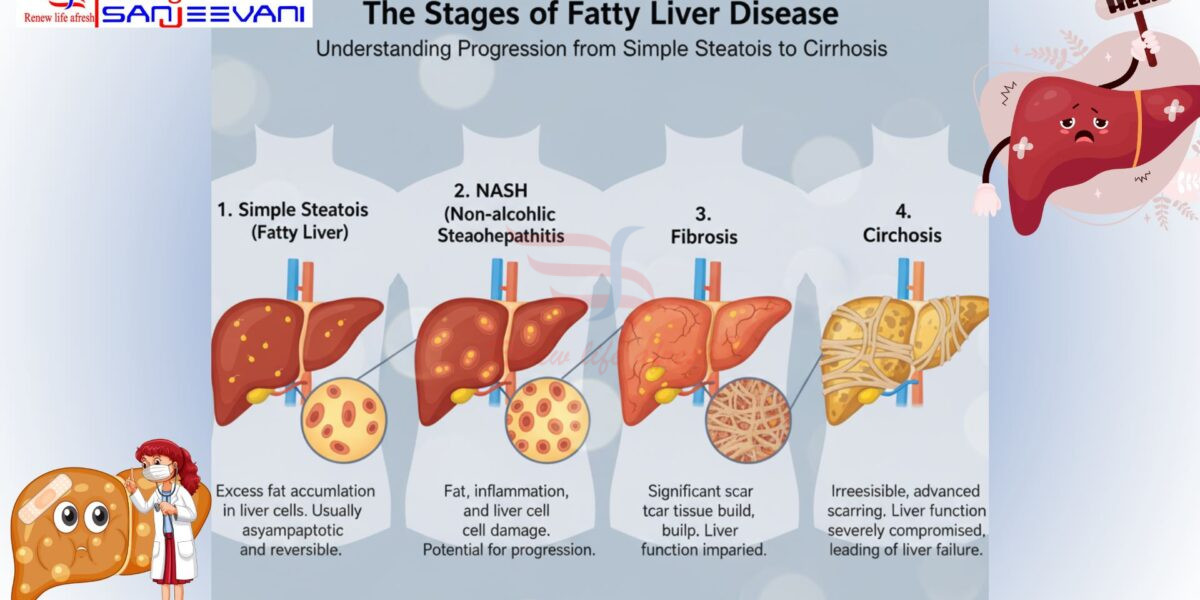
If the underlying metabolic drivers are not addressed, the liver attempts to heal itself by creating scar tissue, a process known as fibrosis. When extensive scarring occurs, it results in cirrhosis, a condition where the liver’s architecture is permanently altered, severely impairing its ability to filter toxins, produce proteins, and regulate blood clotting.
The Role of Refined Grains and Processed Fats
Beyond sugar, refined carbohydrates play a critical role in liver dysfunction. Foods stripped of their fiber, such as white flour products, are rapidly absorbed into the bloodstream, causing sharp increases in blood glucose, and insulin. High insulin levels signal the body to store more fat and inhibit the breakdown of existing fat stores in the liver.
the consumption of industrial trans fats and excessive saturated fats from processed sources contributes to systemic inflammation. This inflammation exacerbates the damage caused by fat accumulation, accelerating the transition from simple steatosis to more advanced liver injury.
Evidence-Based Dietary Shifts
According to health authorities, the most effective way to mitigate or even reverse early-stage fatty liver is through targeted nutritional changes. Experts recommend a transition toward complex carbohydrates—such as legumes, whole grains, and vegetables—which provide fiber that slows sugar absorption and improves insulin sensitivity.
The inclusion of omega-3 fatty acids, found in fatty fish and walnuts, is also highlighted as a means to reduce liver inflammation. By replacing processed sugars and refined oils with nutrient-dense, whole foods, the metabolic load on the liver is reduced, allowing the organ to potentially clear accumulated fat and reduce inflammation.
