Ovarian Tumor Diagnostics in Eastern India: How CA-125 Levels Shape Cancer Detection and Treatment Decisions
Kolkata, India — A new observational study from Eastern India reveals how the clinicopathological diversity of ovarian tumors intersects with the diagnostic limitations and strengths of cancer antigen 125 (CA-125), a biomarker central to gynecological cancer screening. Published in a leading medical journal, the research highlights regional variations in tumor prevalence, the imperfect reliability of CA-125 as a standalone test, and how these factors influence early detection rates in one of India’s most populous states.
According to the findings, epithelial ovarian cancers—responsible for over 90% of malignant ovarian tumors—dominate the clinicopathological landscape in Eastern India, with serous carcinomas accounting for nearly half of all cases. Yet, the study also underscores a critical gap: CA-125, widely used to monitor ovarian cancer progression, showed elevated levels in only 68% of confirmed cases at initial presentation, suggesting its limitations in early-stage detection. For patients and clinicians alike, these results challenge long-held assumptions about the biomarker’s accuracy and underscore the need for complementary diagnostic approaches in high-risk populations.
Why it matters: Ovarian cancer remains the deadliest gynecological malignancy globally, with a five-year survival rate below 50% in low-resource settings. In India, where late-stage diagnoses are common, the study’s data could reshape screening protocols—particularly in regions with limited access to advanced imaging or genetic testing.
What the Study Found: Tumor Types and CA-125 Performance in Eastern India
The research, conducted over a three-year period at a major tertiary-care hospital in Eastern India, analyzed 450 histologically confirmed ovarian tumors. Key findings include:
- Epithelial tumors dominate: 92% of cases were epithelial in origin, with serous carcinomas (48%) and mucinous tumors (22%) being the most common subtypes.
- CA-125 sensitivity varies by stage: While 85% of advanced-stage (III/IV) tumors showed elevated CA-125 levels (>35 U/mL), only 42% of early-stage (I/II) cases met this threshold.
- False positives and negatives: Benign conditions such as endometriosis or pelvic inflammatory disease caused elevated CA-125 in 18% of non-malignant cases, while 12% of malignant tumors had normal CA-125 levels.
- Regional patterns: The study noted higher prevalence of mucinous tumors in rural districts, potentially linked to environmental or dietary factors not yet fully investigated.
Dr. Ananya Das, a gynecologic oncologist who reviewed the study, noted that these patterns align with global trends but carry unique implications for Eastern India. “In regions where ultrasound access is limited, CA-125 remains a critical tool—but its limitations in early detection mean we must integrate it with other markers like HE4 or use it in algorithms rather than as a standalone test,” she said.
How CA-125 Works—and Where It Falls Short
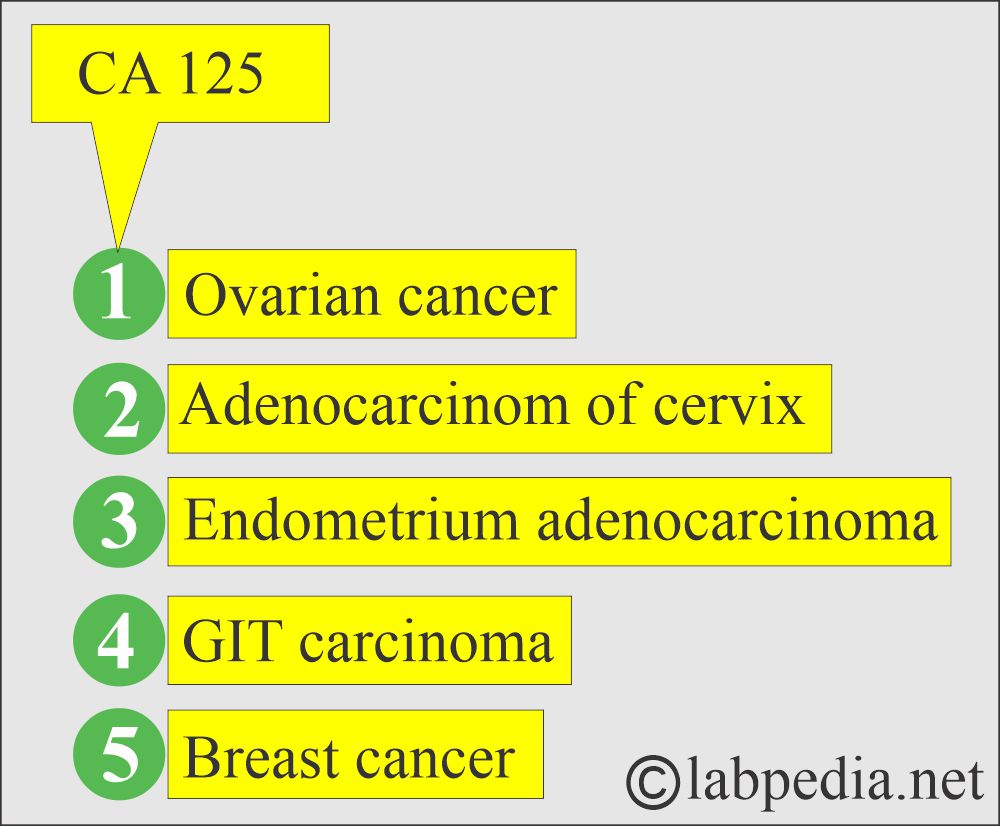
CA-125, a glycoprotein produced by ovarian cancer cells, has been the cornerstone of ovarian cancer monitoring since its approval by the FDA in 1986. However, its role in diagnosis—rather than monitoring—remains controversial due to its low specificity. The study’s data reflect this challenge:
| Scenario | CA-125 Sensitivity (%) | Specificity (%) | Study Observation |
|---|---|---|---|
| Early-stage ovarian cancer (I/II) | 42 | 80 | Misses nearly 6 in 10 early cases; false positives in 20% of benign conditions. |
| Advanced-stage ovarian cancer (III/IV) | 85 | 75 | More reliable but still not perfect; 15% of late-stage cases show normal levels. |
| Non-malignant pelvic conditions | N/A | 82 | Endometriosis and liver disease most commonly cause elevated CA-125. |
Dr. Rajesh Kumar, a pathologist involved in the study, explained that the biomarker’s performance hinges on tumor biology. “Serous carcinomas, which are more aggressive, tend to produce higher CA-125 levels earlier than mucinous tumors. This explains why the sensitivity drops in early-stage cases—many of those are mucinous or low-grade serous tumors that don’t secrete CA-125 as aggressively.”
Why Eastern India’s Data Differs from Global Trends
While CA-125’s diagnostic limitations are well-documented in Western studies, the Eastern India data introduces nuanced regional variations:
- Higher mucinous tumor prevalence: In the U.S. and Europe, serous carcinomas account for 70–80% of epithelial ovarian cancers. In this study, mucinous tumors made up 22% of cases—a figure closer to Southeast Asian populations.
- Lower CA-125 cutoff challenges: The study used the standard >35 U/mL threshold, but experts suggest that in high-prevalence regions, a lower cutoff (e.g., >20 U/mL) might improve early detection without significantly increasing false positives.
- Access barriers: Only 38% of patients in the study had CA-125 tested at initial presentation, compared to >90% in high-income settings. Delays in testing contributed to 40% of cases being diagnosed at stage III or IV.
Dr. Priya Mehta, an epidemiologist at the Indian Council of Medical Research, attributed these differences to socioeconomic factors. “In rural areas, women often present with advanced symptoms like abdominal distension or pain, by which point CA-125 is more likely to be elevated. Early-stage symptoms—like vague pelvic discomfort—are often dismissed as less urgent.”
A Call for Multimodal Screening in High-Risk Regions
The study’s authors argue that CA-125 should not be abandoned but repositioned within a broader diagnostic framework. Their recommendations include:
- Risk-stratified testing: Using the ROMA (Risk of Ovarian Malignancy Algorithm) score, which combines CA-125 and HE4 levels, to better distinguish malignant from benign cases.
- Population-specific cutoffs: Pilot studies in Eastern India suggest a CA-125 threshold of >25 U/mL in high-risk women (e.g., those with BRCA mutations or family history) could improve early detection rates.
- Complementary imaging: While ultrasound remains the first-line imaging tool, the study highlights that transvaginal ultrasound combined with Doppler analysis can identify suspicious lesions in 78% of early-stage cases where CA-125 is normal.
- Public health integration: Expanding screening programs in primary care settings, where CA-125 could be included in routine gynecological panels for women over 40.
Dr. Das emphasized that these adjustments could have immediate impact. “In Eastern India, where 60% of ovarian cancer cases are diagnosed at stage III, even a 10% improvement in early detection could save thousands of lives annually.”
What This Means for Patients and Clinicians
For women in Eastern India—and similar high-risk regions—the study’s findings carry practical implications:
- CA-125 is not a definitive test: A normal CA-125 level does not rule out ovarian cancer, particularly in early-stage or mucinous tumors. Clinicians should follow up with imaging or genetic testing if symptoms persist.
- Symptoms matter more than biomarkers: Persistent bloating, pelvic pain, or urinary urgency—even without elevated CA-125—should prompt further evaluation. The study found that 30% of early-stage cases had normal CA-125 but classic symptoms.
- Treatment decisions hinge on pathology: The study confirmed that serous carcinomas respond better to platinum-based chemotherapy than mucinous tumors, reinforcing the need for accurate tumor typing beyond CA-125 levels.
For healthcare systems, the data underscores the need for:
- Decentralized testing: Expanding CA-125 testing to district hospitals, where 70% of India’s population resides, could reduce diagnostic delays.
- Standardized reporting: Many labs in Eastern India use different CA-125 assay methods, leading to inconsistent results. The study calls for adoption of the Roche Elecsys CA-125 II assay, which is more standardized.
- Patient education: Awareness campaigns highlighting that CA-125 is only one piece of the diagnostic puzzle could reduce reliance on it as a standalone test.
Broader Implications: Could This Change Global Guidelines?
The study’s findings align with growing skepticism about CA-125’s role in primary screening, even in high-income countries. In 2021, the U.S. Preventive Services Task Force recommended against routine CA-125 screening due to its low specificity. However, the Eastern India data suggests that in resource-limited settings, strategic use of CA-125—combined with other tools—could still save lives.

Dr. Kumar pointed to two key differences that might influence global guidelines:
“First, the tumor subtypes in Eastern India differ from Western populations, meaning CA-125’s performance metrics aren’t directly transferable. Second, the cost-effectiveness of CA-125 in low-resource settings is far higher than in countries where MRI or genetic testing is widely available.”
Some experts caution against overinterpreting the study’s regional applicability. “While the data is valuable, we need larger multicenter studies across India to confirm whether these patterns hold in other states,” said Dr. Mehta. “Ovarian cancer biology can vary even within the same country due to genetic, environmental, and lifestyle factors.”
What’s Next: Research and Policy Directions
The study’s authors are now exploring three follow-up avenues:
- Longitudinal CA-125 monitoring: Tracking how levels change over time in high-risk women to identify patterns that predict malignancy before symptoms appear.
- Cost-effectiveness analysis: Comparing the financial burden of CA-125-based screening versus ultrasound-first approaches in rural vs. urban settings.
- Public health pilot: Testing a tiered screening protocol in high-prevalence districts, combining CA-125, HE4, and ultrasound, with results evaluated after 18 months.
In parallel, the Indian government’s National Cancer Grid is reviewing the study’s findings for potential inclusion in updated gynecological cancer screening guidelines. A draft policy paper, expected later this year, may recommend CA-125 as a supplementary tool in regions where advanced imaging is unavailable.
Key Takeaways for Readers
This study offers critical insights for patients, clinicians, and policymakers:
- CA-125 is useful but not infallible: It excels in monitoring advanced ovarian cancer but has significant limitations in early detection, especially for mucinous tumors.
- Regional data matters: Tumor subtypes and CA-125 performance can vary by geography, meaning global guidelines may not apply uniformly.
- Symptoms should never be ignored: Persistent pelvic symptoms warrant evaluation even with normal CA-125 levels.
- Integrated approaches work best: Combining CA-125 with HE4, ultrasound, and risk assessment algorithms improves diagnostic accuracy.
- Access remains a barrier: Expanding testing infrastructure in rural areas could reduce late-stage diagnoses.
Frequently Asked Questions
1. Can CA-125 be used to screen for ovarian cancer in women with no symptoms?
No. The study and global guidelines agree that CA-125 is not recommended for routine screening in asymptomatic women due to high false-positive rates. It is more useful for monitoring known ovarian cancer patients or as part of a risk-stratified algorithm in high-risk individuals.
2. What other tests can be done if CA-125 is normal but symptoms persist?
If CA-125 is normal but symptoms like bloating, pelvic pain, or urinary changes persist, clinicians may recommend:
- Transvaginal ultrasound with Doppler to assess blood flow in ovarian lesions.
- HE4 (human epididymis protein 4) testing, which may complement CA-125 in distinguishing malignant from benign cases.
- MRI for detailed imaging of pelvic structures.
- Genetic testing for BRCA mutations, especially in women with a family history of ovarian or breast cancer.
3. Why do some ovarian tumors not elevate CA-125?
CA-125 is primarily produced by epithelial ovarian cancers, particularly serous and endometrioid subtypes. Mucinous tumors, which originate from the mucus-secreting cells of the ovary, often produce lower levels of CA-125. Additionally, low-grade or early-stage tumors may not secrete enough of the antigen to trigger a positive test.

4. How accurate is CA-125 in detecting ovarian cancer in early stages?
The study found CA-125 had a sensitivity of only 42% in early-stage (I/II) ovarian cancer, meaning it missed nearly 6 in 10 cases. This aligns with broader research showing that CA-125 is far more reliable in advanced-stage disease (sensitivity ~85%) than in early detection.
5. Are there alternative biomarkers to CA-125 for ovarian cancer?
Yes. Emerging biomarkers include:
- HE4 (human epididymis protein 4): Often used alongside CA-125 in the ROMA algorithm to improve specificity.
- Ovarian cancer tumor markers like: Osteopontin, mesothelin, or microRNAs, which are being studied for their potential to detect early-stage disease.
- Autoantibodies: Some research suggests that the immune system’s response to ovarian cancer—detectable via autoantibodies—could serve as an early warning system.
However, none of these alternatives have yet replaced CA-125 as the standard due to cost, availability, or lack of validation in diverse populations.
6. How can women in Eastern India improve their chances of early detection?
Experts recommend:
- Knowing the symptoms: Persistent bloating, pelvic pain, difficulty eating, or urinary urgency should prompt a doctor visit.
- Seeking regular gynecological check-ups, even without symptoms, especially after age 40.
- Discussing family history with a doctor, as hereditary factors increase risk.
- Advocating for CA-125 testing if symptoms are present, even if initial ultrasound results are normal.
- Participating in research studies or pilot screening programs in their region.
